
- 90% of investors are moving away from impulsive decisions toward structured strategies (research trend).
- Disciplined investors are better positioned to weather market turbulence (Ferdinand).
- AI tools enhance analysis but lack human context for nuanced decision-making (industry experts).
Experts agree that while technology enhances investing, long-term success hinges on human discipline, strategic planning, and balanced integration of AI tools.
The Human Algorithm: Why Discipline Still Governs Our Digital Markets
LAS VEGAS, NV – June 16, 2026 – We are drowning in information. The modern investor has access to a torrent of data that would have been unimaginable a generation ago. Economic indicators, corporate earnings, and global news flash across our screens in seconds, promising transparency but often delivering anxiety. In this high-velocity environment, the temptation is to react, to trade on a headline, to chase the algorithm. But a growing chorus of voices, including veteran traders, argues that the key to navigating this new world lies not in faster reactions, but in a much older, more human quality: discipline.
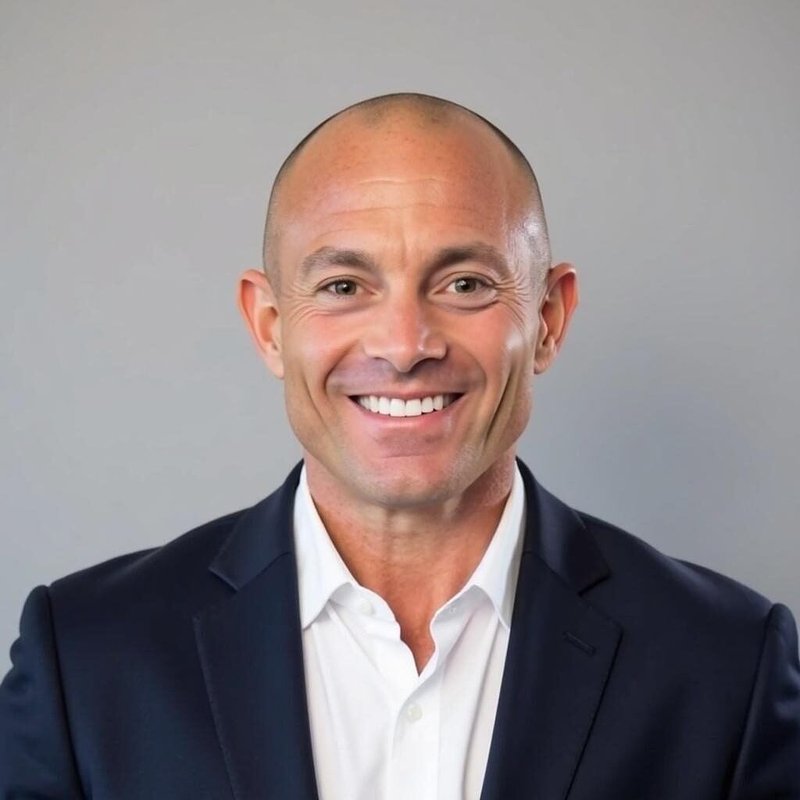
Brian Ferdinand, a Portfolio Manager and Trader at the proprietary trading firm EverForward, is a prominent voice in this camp. He argues that in today’s complex financial landscape, a strategic mindset is the ultimate currency. While technology has democratized access to information, it has also amplified the noise, making the ability to discern signal from static more critical than ever.
“Information is everywhere today,” Ferdinand explained in a recent discussion. “What separates successful investors is their ability to determine what is truly relevant, connect it to a larger investment plan, and avoid being distracted by short-term market movements.” This perspective challenges the prevailing narrative that success in modern markets is solely a function of technological superiority. It suggests that the system allowing for long-term financial well-being is not built on code alone, but on a foundation of human judgment.
The Enduring Wisdom of a Strategic Plan
The call for a return to fundamentals is resonating. Research indicates a clear trend of investors moving away from impulsive, headline-driven decisions and toward more structured, methodical strategies. In an era defined by volatility, inflation, and geopolitical uncertainty, the appeal of a well-defined plan—one that emphasizes long-term goals, diversification, and a clear understanding of risk—is undeniable. This approach serves as a personal financial safety net, a bulwark against the emotional whims that can decimate a portfolio.
This isn't about ignoring the market; it's about engaging with it on your own terms. A strategic plan provides a framework for decision-making, transforming the investor from a passive reactor to an active architect of their financial future. It demands a commitment to careful research and a deep understanding of one's own objectives and risk tolerance. According to Ferdinand, investors who define these objectives clearly and adhere to their strategy are consistently better positioned to weather market turbulence. By anchoring their choices to long-term goals rather than short-term sentiment, they can make more rational and informed decisions.
Man and Machine: Forging the Modern Investor’s Playbook
This emphasis on human discipline does not mean a rejection of technology. On the contrary, the most successful modern strategies blend the best of both worlds. Ferdinand, whose work at EverForward involves leveraging sophisticated trading systems, sees technology as an indispensable asset when applied with sound judgment.
“Technology has dramatically improved the way investors evaluate opportunities,” he noted. “However, tools and data are most effective when paired with thoughtful analysis. Technology should assist decision-making, not replace it.”
This “blended approach” is widely supported by industry experts. Artificial intelligence can process vast datasets, identify subtle patterns, and run complex scenarios far beyond human capacity. Yet, these systems lack the nuanced understanding of context, sentiment, and broader societal shifts that an experienced human brings to the table. As one financial technology analyst noted, AI can show you the data, but it can't always explain the story behind it. Furthermore, the rise of AI introduces new behavioral traps, such as “automation bias”—the tendency to over-rely on algorithmic recommendations without critical evaluation. The truly smart investor, therefore, uses AI not as a crutch, but as a powerful tool to augment their own strategic thinking.
Ferdinand echoes this sentiment, particularly regarding the increasing use of advanced analytics. “Artificial intelligence and analytics can offer powerful insights,” he stated. “But successful investing still depends on experience, perspective, and the ability to interpret information within a broader framework.”
A Shield Against the Storm
Risk management remains the bedrock of any sound investment philosophy. In today's interconnected world, unforeseen events—from economic shifts to global crises—can ripple through markets with breathtaking speed. It is during these periods of intense volatility that the strength of a disciplined strategy is truly tested.
Emotional decision-making is the enemy of long-term success. The fear that drives panic-selling during a downturn and the greed that fuels irrational exuberance in a bull market are powerful forces. A predefined strategy acts as a crucial circuit breaker, allowing an investor to stick to their plan when their instincts are screaming at them to do the opposite. This emotional fortitude, Ferdinand believes, is what separates sustainable performance from fleeting gains. Maintaining discipline and avoiding emotionally driven trades are paramount to preserving capital and achieving consistent results.
This perspective is particularly relevant for a firm like EverForward. As a proprietary trading firm, it trades its own capital rather than managing external client funds. This structure, where the firm’s own assets are on the line, creates an intense, intrinsic focus on structured risk management and capital preservation. Ferdinand's role, which includes enforcing strict risk parameters, is central to this philosophy. His recent selection to the Forbes Business Council, an invitation-only community for senior executives, further underscores the industry's recognition of this disciplined approach.
Ultimately, the landscape of investing is in a state of perpetual evolution. Yet, as Ferdinand and others maintain, the core principles remain remarkably consistent. The most resilient and successful investors of the future will not be those who place blind faith in automated systems, but those who master the delicate balance between innovation and discipline. By harnessing the power of modern technology while remaining steadfastly committed to the timeless tenets of strategic planning and careful research, they can build portfolios designed not just to survive the complexities of the modern world, but to thrive within them.