
- 55 years: The anniversary of the frozen margarita machine's invention.
- 47 countries: The global reach of frozen margarita machines.
- 1.3 million guests annually: The current impact of Mariano Martinez's restaurant business.
Experts recognize the frozen margarita machine as a pivotal innovation that transformed American dining culture, boosted the tequila industry, and solidified Tex-Mex cuisine as a global phenomenon.
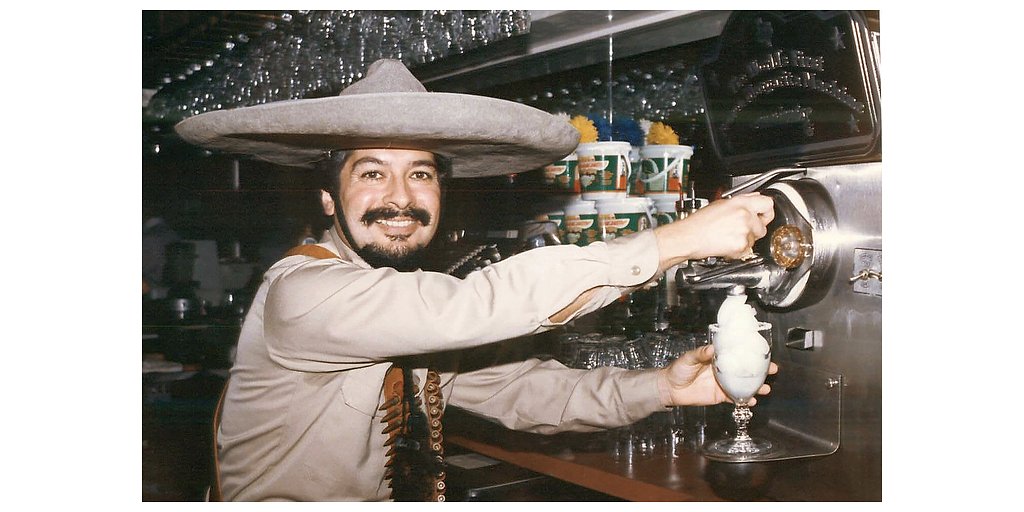
The Frozen Revolution: 55 Years of the Margarita Machine
DALLAS, TX – May 08, 2026 – This Monday, May 11, marks 55 years since a simple yet revolutionary invention fundamentally changed American dining and drinking culture. It was on that day in 1971 that Dallas restaurateur Mariano Martinez, facing a crisis of consistency and demand, debuted the world's first frozen margarita machine. What began as a clever adaptation of a soft-serve ice cream machine not only saved his fledgling restaurant but also uncorked a global phenomenon, catapulting Tex-Mex cuisine and a little-known spirit called tequila onto the world stage.
An Innovation Born of Desperation
In 1971, a 25-year-old Mariano Martinez had risked everything to open Mariano’s Mexican Cuisine. Born in Dallas, he had poured his life savings into the venture, securing a Small Business Administration loan to bring his family's recipes to the public. The restaurant was an immediate hit, but its success created an unforeseen problem: the popularity of his father's blended margaritas. Bartenders, armed with standard blenders, couldn't keep up with the deluge of orders. The drinks were inconsistent, the service was slow, and the blenders frequently overheated. Martinez was facing operational failure just days after opening.
The solution arrived not in a boardroom, but during a late-night coffee run to a local 7-Eleven. As Martinez watched the store's Slurpee machine swirl its icy concoction, he had a flash of inspiration. Could the same principle be applied to his margaritas? He approached the convenience store chain to buy a machine but was told it wouldn't work, as the common wisdom was that alcohol doesn't freeze.
Undeterred, Martinez purchased a used soft-serve ice cream machine and began a period of relentless experimentation. He retrofitted the machine, tinkering with his father's recipe day and night. The key, he discovered, was not just the mechanics but the chemistry. By carefully calibrating the amount of sugar, he could achieve the perfect, consistently frozen slush that had eluded his bartenders. The result was a stable, delicious, and easily dispensable frozen margarita that could be served to customers in seconds. The machine was an instant success, solving his service bottleneck and delighting his patrons.
The Ripple Effect: A Cultural and Economic Revolution
The impact of Martinez's invention extended far beyond the walls of his Dallas establishment. The ability to mass-produce a high-quality frozen cocktail transformed the margarita from what was once a "border-cantina curiosity" into a mainstream American staple. By the mid-1970s, the margarita had dethroned the classic martini as the country's number one cocktail. This shift was part of a larger cultural wave. By the end of the decade, salsa had replaced ketchup as the nation's most popular condiment, a clear indicator of the booming popularity of Latin and Tex-Mex flavors.
This new cocktail craze had a profound economic effect, particularly for the tequila industry. Demand for the then-largely unknown Mexican spirit soared in the United States, breathing new life into the industry. Tequila producers in Mexico later recognized Martinez for having done more for their spirit than any other single person in the world.
The frozen margarita machine also helped solidify the identity of Tex-Mex cuisine and the casual, patio-centric dining style now ubiquitous across America. It "forever changed the Tex-Mex restaurant business," according to industry observers, by placing the bar front and center as a profit-driving hub of activity. The innovation's influence is now global, with frozen margarita machines operating in at least 47 countries, a testament to the universal appeal of a perfectly chilled cocktail.
From Restaurant Workhorse to National Treasure
For 34 years, the original machine tirelessly churned out margaritas at Mariano’s Mexican Cuisine. Having served millions of drinks, the weathered but historic device was finally retired. Its journey, however, was far from over. In 2005, its cultural significance was formally recognized when it was donated to the Smithsonian's National Museum of American History in Washington, D.C.
The acquisition came after curator Dr. Rayna Green, while researching an exhibit on Tex-Mex food, heard what sounded like a "Texas tall tale" about the machine's origin. Her painstaking research confirmed the story, and the machine was accepted into the museum's collection as a symbol of American ingenuity and cultural evolution. The museum recognized it as a story of a "young, smart businessman who made this incredible choice at the right time." In 2012, the machine became part of the permanent exhibit "Food: Transforming the American Table 1950-2000," where it stands alongside other iconic artifacts of American culinary history. It was also named one of the "Top Ten Inventions" from the museum's collection, solidifying its place as a legitimate piece of American innovation.
The Enduring Legacy of a Dallas Original
Today, Mariano Martinez's influence continues to shape the culinary landscape of North Texas and beyond. He remains at the helm of a thriving restaurant business, operating five popular Mexican restaurants, including the well-known La Hacienda Ranch. His establishments employ more than 600 people and serve an estimated 1.3 million guests each year, all built on the foundation of authentic Tex-Mex tradition and, of course, handcrafted margaritas.
The legacy of his invention is woven into the fabric of his home city. The original Mariano's location is a key stop on the "Margarita Mile," a self-guided tour of Dallas's best margaritas launched by the city's tourism board in 2018. As the 55th anniversary approaches, Martinez’s story serves as a powerful reminder that transformative innovation can come from the most unexpected places—a struggling restaurant, a sleepless night, and a chance encounter with a Slurpee machine. His creation did more than just chill a drink; it sparked a cultural revolution that continues to define social gatherings and dining experiences across the globe.