
- 21 hours: The average weekly screen time for children, far exceeding the 9-hour maximum parents consider ideal.
- 50%: The proportion of teachers who identify excessive screen time as a primary reason children arrive at school unprepared.
- $200 billion: The projected global toy market value by 2034, with screen-free educational toys driving significant growth.
Experts agree that excessive screen time in early childhood is linked to shortened attention spans, delayed language acquisition, and underdeveloped fine motor skills, emphasizing the need for hands-on, screen-free play to support healthy brain development.
The Analog Advantage: Why Hands-On Toys Are Reclaiming Playtime
By Brian Nelson
NEW YORK, NY – February 05, 2026 – Amid the dazzling lights and digital cacophony of the NY Toy Fair, a quieter but powerful counter-current is gaining force. As parents and educators grapple with an epidemic of screen time and its effects on developing minds, a growing movement is championing a return to the tangible, the tactile, and the traditional. Companies like Roylco, a veteran manufacturer of educational materials, are finding themselves at the heart of this trend, advocating for a screen-free approach that they argue is essential for healthy childhood development.
This year’s fair unfolds against a backdrop of mounting scientific evidence and widespread parental anxiety. The debate is no longer about whether screen time has an effect, but about the depth of its impact on the youngest generation. For many, the answer lies not in more advanced technology, but in turning away from it.
The Rising Tide of Screen Time Concerns
The worries voiced by educators are increasingly backed by stark data. Experts from leading health organizations like the World Health Organization recommend no screen time for children under two and a maximum of one hour for those aged two to four. Similarly, the American Academy of Pediatrics urges strict limits, emphasizing that excessive exposure can interfere with sleep, physical activity, and crucial social interaction.
Recent studies paint a concerning picture. Research has consistently linked high levels of screen use in early childhood to shortened attention spans, delayed language acquisition, and underdeveloped fine motor skills. A 2025 survey highlighted a significant disconnect: while parents believe nine hours of screen time a week is an ideal maximum, their children are averaging 21 hours. This digital deluge is contributing to what over half of teachers identify as a primary reason children arrive at school unprepared, sometimes lacking even the basic ability to handle a physical book.
"Young children are still learning how to focus, how to use their hands, how to imagine, and how to interact with others," said Darby Smith of Roylco in a statement. "When too much of that learning happens through screens, we begin to see gaps. Hands-on learning helps restore balance by giving children real-world experiences that support healthy brain development."
Educators report seeing the consequences firsthand in the classroom. Children who spend hours with passive media may struggle with the slower pace of real-world activities, showing less patience for tasks that require deep concentration. The critical "serve-and-return" interactions between a child and caregiver, essential for language and emotional development, are often displaced by the one-way street of digital content.
A Return to Real-World Engagement
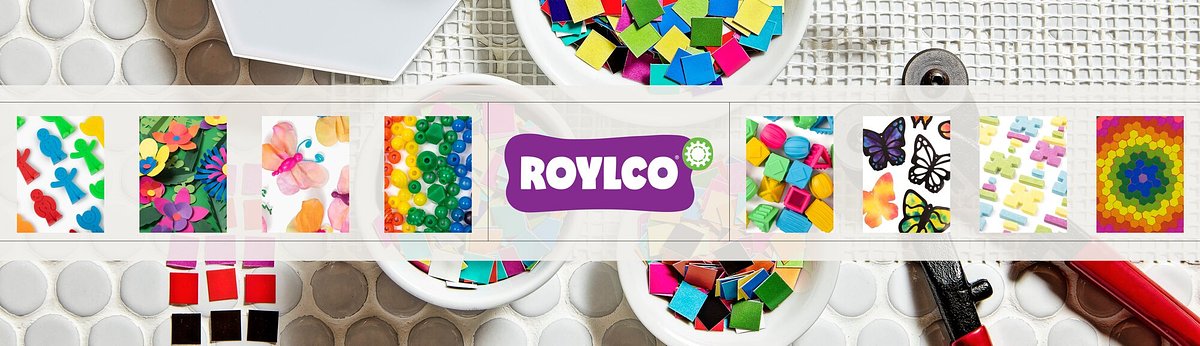
In response, a powerful pushback is underway. Companies like Roylco, which has focused on hands-on learning for decades, are showcasing a vast array of products designed to engage the senses and encourage active participation. Their booth at the Toy Fair is a testament to this philosophy, filled not with blinking screens but with materials for crafting, building, and scientific exploration.
These are not the fleeting, trend-driven toys of the moment. Instead, they are foundational tools designed for repeated, intentional use in classrooms and homes. The focus is on fostering core skills in literacy, math, and the arts while simultaneously building focus, curiosity, and confidence. By manipulating objects, solving physical puzzles, and collaborating with peers, children engage different parts of their brains than they do when swiping on a tablet. This tactile engagement is critical for developing the neural pathways responsible for problem-solving, creativity, and spatial awareness.
The market is responding to this demand. While the global toy market, projected to exceed $200 billion by 2034, is certainly buoyed by digital games, the educational toy segment is a major driver of growth. Within that segment, screen-free products are carving out a significant and expanding niche, appealing to a growing cohort of parents actively seeking alternatives to digital babysitters.
Mindful Manufacturing and Market Viability
This back-to-basics movement also aligns with another powerful consumer trend: a demand for sustainability and ethical production. Roylco is leaning into this by highlighting its commitment to using FSC-certified paper and responsibly sourced materials. Furthermore, its dedication to domestic design and manufacturing resonates with consumers looking for quality, consistency, and a smaller environmental footprint.
This dual focus on developmental appropriateness and sustainable production creates a compelling business case. It demonstrates that a company can thrive not by chasing every technological trend, but by adhering to a core set of values that align with the long-term well-being of its customers. In a crowded marketplace, this principled stance helps brands stand apart, building trust with both educators who rely on their tools daily and parents who are making increasingly conscious purchasing decisions.
Finding Balance in a Digital World
The movement toward screen-free play is not a wholesale rejection of technology. As experts and advocates are quick to point out, the goal is not to raise a generation of Luddites but to foster a healthy, balanced relationship with the digital world. The key, they argue, is intentionality.
"Screen-free doesn't mean anti-technology," Smith added. "It means being intentional about what young brains need. Hands-on learning gives children the space to think deeply, create freely, and develop skills they simply can't get from a screen."
High-quality, educational digital content has its place, especially when used interactively with a caregiver. However, the current dialogue, amplified by voices at the NY Toy Fair, serves as a crucial reminder that digital tools should supplement, not supplant, the rich, multi-sensory experiences of real-world play. For a developing brain, the texture of a leaf, the challenge of a wooden block tower, and the collaborative joy of a shared art project offer a kind of learning that no app can replicate.