
- 412 MW: Wärtsilä to supply 412 megawatts of engine power for a new hyperscale data center in Ohio.
- 1.6 GW: Wärtsilä's total capacity sold to the U.S. data center market exceeds 1.6 gigawatts.
- 945 TWh: Global data center electricity consumption projected to more than double from 415 TWh in 2024 to 945 TWh by 2030.
Experts agree that the rapid energy demands of AI-driven data centers are forcing a shift toward off-grid power solutions to ensure reliability and scalability, highlighting the need for flexible, sustainable energy infrastructure.
The AI Power Paradox: Data Centers Go Off-Grid to Fuel the Future
HOUSTON, TX – April 16, 2026 – In the heart of Ohio, a new kind of power plant is taking shape, not for a city, but for a single, massive data center. Technology group Wärtsilä announced today it will supply 412 megawatts of engine power for a new hyperscale facility, a project that signals a profound shift in how the digital world gets its electricity. The move highlights a growing trend driven by the voracious energy demands of artificial intelligence: to keep the cloud running, data centers are unplugging from the grid.
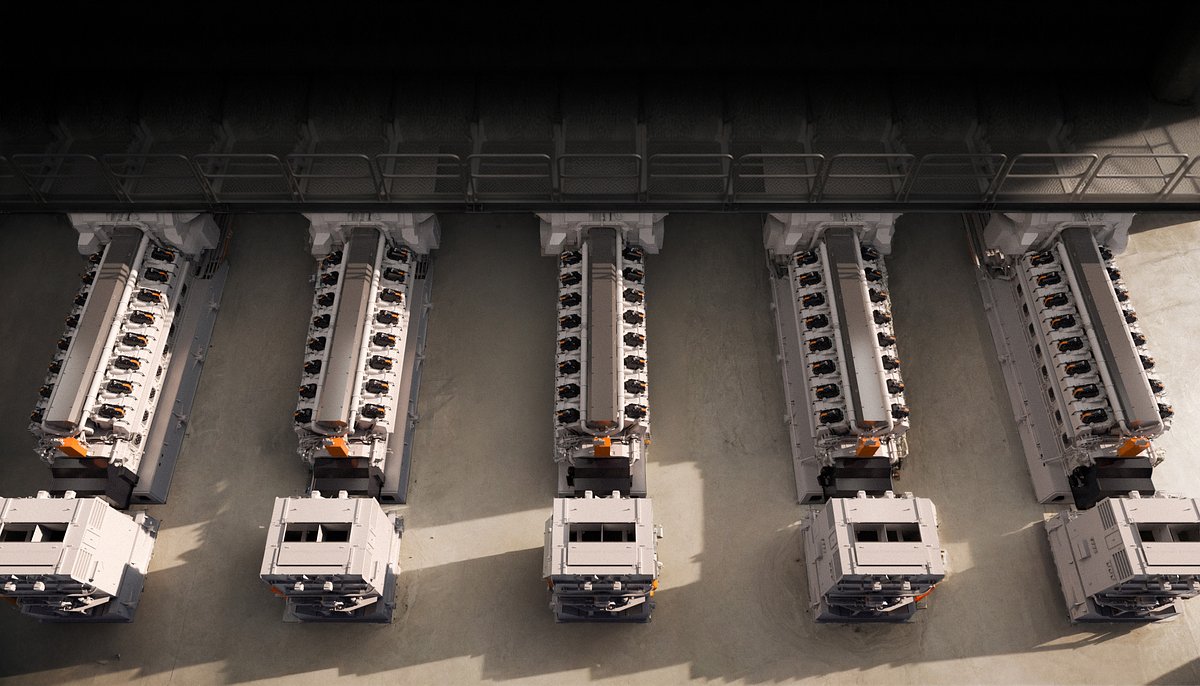
The project will feature 40 of Wärtsilä's 34SG spark-gas engines, marking the model's debut in a data center application. This single order will bring the company's total capacity sold to the U.S. data center market to over 1.6 gigawatts, underscoring the urgency with which tech giants are seeking energy independence.
The Unquenchable Thirst for Power
The AI revolution is running on electricity, and demand is skyrocketing at a pace that traditional power grids were never designed to handle. Global data center electricity consumption, which stood at roughly 415 terawatt-hours (TWh) in 2024, is projected to more than double to 945 TWh by 2030. This growth is over four times faster than the increase in total global electricity demand.
The primary driver is the computational intensity of AI workloads. According to recent industry analyses, electricity consumption from servers dedicated to AI is expected to grow by 30% annually through the end of the decade. In the United States, the world's largest data center market, the U.S. Department of Energy projects that data centers could consume as much as 12% of the nation's total electricity by 2028, a dramatic increase from 4.4% in 2023. This surge is creating unprecedented strain on local utilities and national power infrastructure.
The Great Gridlock
For data center developers, the problem isn't just the sheer amount of power required; it's the inability to access it in a timely manner. The process of connecting a large-scale project to the U.S. power grid has become a significant bottleneck, mired in delays and uncertainty. The average wait time for a project to move through the interconnection queue and begin commercial operation has ballooned to five years, with some developers facing waits of up to a decade.
As of late 2024, nearly 1,400 GW of new generation and 890 GW of energy storage were actively seeking grid connection—a volume of power that exceeds the entire installed capacity of the U.S. grid. This backlog is compounded by an aging transmission infrastructure and severe supply chain shortages for critical components like high-voltage transformers, for which lead times have stretched from six months to four years.
This gridlock forces a difficult choice on tech companies. With data center construction timelines measured in months, a multi-year wait for a power connection can render a billion-dollar facility a stranded asset. Consequently, building on-site, primary power generation is no longer a backup plan but a core strategy for ensuring projects are completed on schedule and can scale with demand.
“This project underscores the confidence data center developers place in Wärtsilä’s engine technology to deliver fast, flexible power at scale,” said Risto Paldanius, Vice President, Americas at Wärtsilä Energy, in the company's press release. “As AI and cloud demand accelerate, operators need energy solutions that are efficient, resilient, and available on their timeline - not the grid’s.”
A New Blueprint for Data Center Power
The Ohio project serves as a blueprint for this new reality. By opting for an off-grid solution, the hyperscale facility can proceed toward its early 2028 operational date without being subject to unpredictable interconnection delays. The choice of Wärtsilä’s 34SG engines reflects a highly strategic approach tailored to the unique needs of modern data centers.
Unlike traditional backup diesel generators offered by competitors like Caterpillar and Cummins, Wärtsilä's gas engines are designed for continuous, primary power. The 34SG model offers a compelling suite of features: high electrical efficiency of nearly 49%, proven reliability, and a fast-start capability that can reach full load in two minutes. Its modular design is particularly crucial, allowing developers to deploy power in scalable blocks that can grow alongside the data center, potentially up to 500 MW or more.
Furthermore, the technology addresses key operational and environmental concerns. The engines boast very low water consumption, a critical advantage in an industry facing increasing scrutiny over its environmental footprint. They are also engineered to perform reliably in the high-temperature environments often generated by dense racks of high-performance servers running AI applications.
Future-Proofing the Digital Infrastructure
While the immediate goal is energy independence, the choice of technology also provides a path toward future sustainability goals. The Wärtsilä 34SG engines currently run on natural gas but are designed with fuel flexibility in mind. They are capable of running on sustainable fuels like biogas and synthetic methanol, and can also operate on blends of hydrogen.
This capability is vital for an industry under pressure to decarbonize. As green hydrogen and other sustainable fuels become more commercially viable, data centers with flexible on-site power plants will be able to transition away from fossil fuels without needing to completely re-engineer their energy infrastructure. This positions the Ohio project not just as a solution to today's grid challenges, but as an adaptable model for the long-term evolution of resilient and more sustainable digital infrastructure.