
- 445% increase in searches for Iceland due to the 2026 total solar eclipse
- 665% surge in global searches for host cities of the Summer Soccer Tournament
- $30 billion in projected economic output from the tournament across the U.S.
Experts emphasize that early booking is critical due to unprecedented demand, with prices and availability shrinking rapidly as major events approach.
The 2026 Travel Boom: Navigating a Year of Unprecedented Events
DALLAS, TX – January 22, 2026 – A perfect storm of global sporting championships, celestial marvels, and blockbuster music tours is setting the stage for 2026 to become a landmark year for event-driven travel. Travelers are already racing to secure their spots for these once-in-a-lifetime experiences, leading to skyrocketing search volumes and a clear warning for those yet to book: plan now, or prepare to pay a premium.
A new forecast from the travel platform Hotels.com reveals a dramatic surge in early planning for 2026's biggest moments. The data signals a fundamental shift in how people are prioritizing their travel, with a growing emphasis on being present for unique, shared cultural events. This intense demand, however, is creating a high-stakes environment where hotel availability is shrinking and prices are climbing months, and in some cases years, in advance.
Anatomy of the Surge: A Data-Driven Forecast
The numbers paint a vivid picture of the impending travel rush. According to the Hotels.com 'Get a Room 2026 Forecast,' traveler searches are exploding for key dates. The total solar eclipse on August 12, 2026, has triggered a staggering 445% year-over-year increase in searches for Iceland, a prime viewing location. Similarly, Greenland and Northern Spain, also in the path of totality, have seen searches jump by 55% and 125%, respectively. This pattern echoes the 2024 eclipse, which saw hotel searches in some North American cities along the path of totality increase by as much as 1,000%.
Major sporting events are proving to be equally powerful magnets for travelers. The Summer Soccer Tournament set to unfold across North America has prompted a 665% surge in global searches for host cities. Specific matches are already causing prices to balloon, with hotel rooms in Los Angeles for a U.S. men's team match on June 12 averaging an eye-watering $805 per night. Even February's pro football finale in Santa Clara is driving a 395% search increase, with room rates doubling compared to the previous year.
This intense demand follows a predictable, yet sharp, trajectory. "Big events drive intense demand, which means hotel availability shrinks quickly and prices rise fast,” said Melanie Fish, Vice President of Public Relations for Hotels.com. “Timing is key. During the 2024 total solar eclipse, hotel rates spiked a few weeks out when occupancy hit 85-90% in towns in the path of totality." The company's analysis of historical booking patterns confirms that the most significant price hikes typically begin about three weeks before a major event.
The Billion-Dollar Impact on Host Cities
This wave of "fandom travel" promises a massive economic windfall for host cities, but it also presents significant logistical challenges. The Summer Soccer Tournament alone is projected to be an economic powerhouse. Los Angeles, which will host eight matches, anticipates a total economic impact of up to $594 million, including an estimated $343 million in direct spending from out-of-town visitors. Further north, Seattle is projecting an impact of at least $929 million for King County from its six matches. Across the United States, the tournament is expected to generate over $30 billion in economic output and create more than 185,000 jobs.
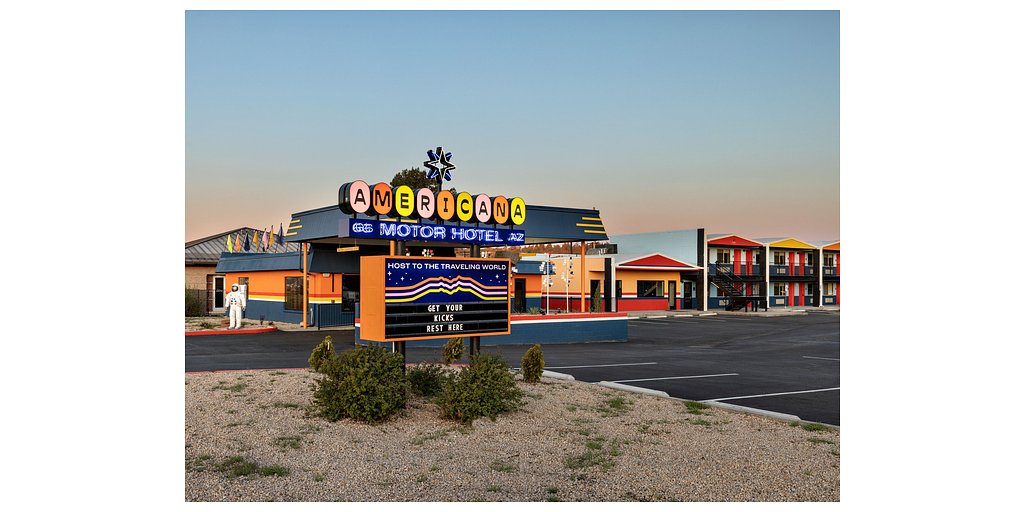
However, this economic boom is not limited to major metropolitan hubs. The centennial of America's iconic Route 66 is reigniting interest in nostalgic road trips, breathing new life and tourism dollars into smaller towns from Illinois to California. Cities like Springfield, Illinois, and San Bernardino, California, are already seeing a 50% increase in summer travel demand. This trend is mirrored by the solar eclipse, where historical data from the 2024 event showed that while major cities saw growth, smaller towns in the path of totality experienced the largest percentage increases in revenue per available room (RevPAR), some growing by over 100%.
While the influx of visitors is a boon for local economies, it also tests the limits of urban infrastructure. Host cities for major sporting events must manage immense strain on transportation, public services, and accommodation capacity. Although the 2026 World Cup's strategy of using existing stadiums across multiple North American cities aims to mitigate the risk of over-investment seen in past tournaments, the sheer volume of visitors will undoubtedly present a formidable challenge.
The Savvy Traveler's Playbook for 2026
For consumers, navigating this high-demand landscape requires a strategic approach. The primary advice from industry experts is unanimous: book early. The data clearly shows that waiting until the last minute will result in both limited options and exorbitant prices.
The key to early booking in an uncertain world is flexibility. "With searches already up triple-digits for this summer’s eclipse, your best bet is to book now with free cancellation — and that strategy applies to other big games and concerts, too," Fish advised. This allows travelers to lock in current, more reasonable rates without committing financially, providing an escape hatch if plans change or a better deal emerges.
Beyond timing, savvy travelers are expanding their search parameters. This can mean looking at hotels or rentals in adjacent neighborhoods or nearby towns that offer better value and availability. For events like the Summer Soccer Tournament, staying a short train ride away from the stadium could save hundreds of dollars per night. For the Route 66 centennial, exploring lesser-known stops along the historic highway could lead to more authentic and affordable experiences. This price sensitivity is a growing trend, as travelers seek to balance the desire for unique experiences with the realities of a rising cost of living.
Beyond the Hype: The Human Craving for Shared Moments
Underpinning these economic and logistical trends is a powerful human element: the deep-seated desire for shared, memorable experiences. The surge in event-driven travel reflects a cultural shift where people are increasingly prioritizing "doing" over "having." After years of relative isolation, the appeal of joining a crowd to witness a historic sporting victory, feel the collective awe of a total solar eclipse, or sing along with a global music superstar has never been stronger.
This phenomenon of "fandom travel" transcends demographics. It's the football fan painting their face for the championship game, the astronomy enthusiast traveling across continents with a telescope, and the music lover following an artist like Bad Bunny from Medellin to Madrid. Each journey is fueled by a passion to connect with a larger community and be part of a moment in history.
The diverse array of major events in 2026 caters to this fundamental craving in different ways. The Summer Soccer Tournament and Pro Football Finale tap into tribal loyalties and the thrill of competition. The Route 66 centennial offers a journey into collective memory and national identity. The solar eclipse provides a moment of shared wonder at the natural world. Together, they represent a powerful rejection of the mundane in favor of the monumental, driving millions to pack their bags and seek out experiences that can be shared and remembered for a lifetime. The time for planning those journeys is now, before the best seats—and rooms—are gone.