
- 3 Models Launched: TS-100 (100 gal/hr), TS-200 (200 gal/hr), TS-300 (300 gal/hr) for varying dairy operation sizes.
- $6,000 Starting Price: TS-100 model offers affordable entry for small-scale producers.
- PMO & 3A Certified: Ensures full regulatory compliance for Grade A dairy operations.
Experts would likely conclude that Tessa Dairy Machinery's new certified cream separators address a critical compliance gap in the U.S. dairy industry, offering a cost-effective, 'plug-and-play' solution that enhances food safety and operational security for producers.
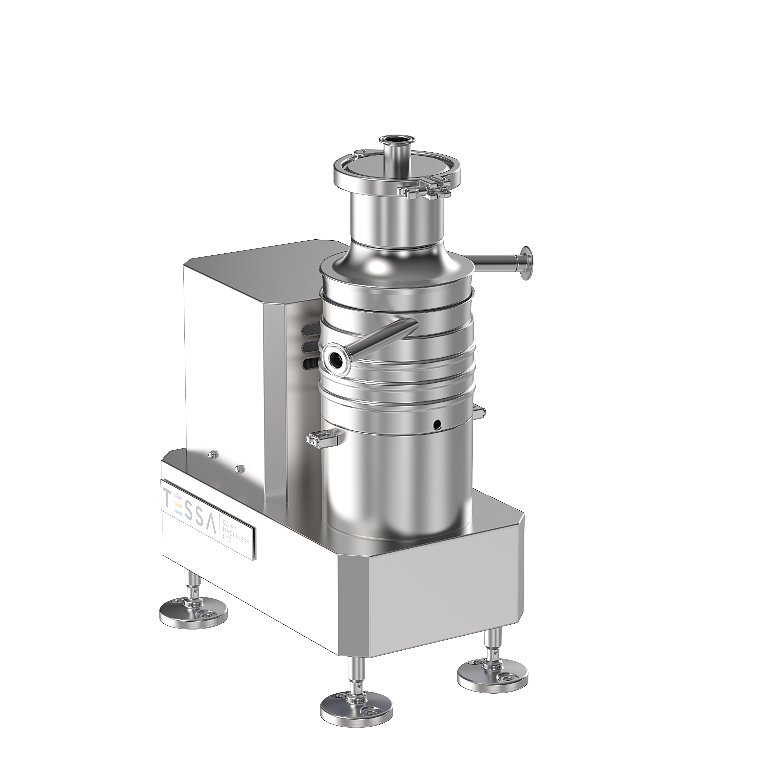
Tessa Dairy Machinery Aims to Close a Critical U.S. Dairy Compliance Gap
LAS VEGAS, NV – June 02, 2026 – U.S. dairy producers now have a new, straightforward path to navigating one of the industry's most persistent regulatory hurdles. Tessa Dairy Machinery Inc. today launched a line of commercial cream separators that are, critically, certified to meet the stringent safety and design standards required for Grade A dairy operations across the United States. The release directly confronts a widespread compliance gap that has left many producers, particularly smaller operations, vulnerable to failing state inspections.
The new TS series, comprising three models of varying capacity, is designed to be a 'plug-and-play' solution. Each unit arrives fully compliant with federal Pasteurized Milk Ordinance (PMO) regulations and certified to 3A Sanitary Standards, complete with the necessary documentation to satisfy state inspectors from day one.
The High Cost of a Hidden Compliance Gap
For any dairy selling Grade A milk or cream in the U.S., compliance with the FDA's Pasteurized Milk Ordinance is not optional—it's the law of the land. A core tenet of the PMO is the requirement that all equipment touching milk must meet 3A Sanitary Standards. These standards dictate everything from the type of stainless steel used to the microscopic smoothness of its surface, ensuring equipment can be thoroughly cleaned and sanitized to prevent bacterial growth.
Despite this, a significant portion of equipment available on the market, especially popular imported models, lacks the official 3A symbol. While often well-engineered, this non-certified machinery places producers in a precarious position. “A lot of small dairy producers buy a cream separator online, plug it in, and only find out it’s not PMO compliant when a state inspector shows up,” said Alon Nisenblat, Sales and Marketing Director for Tessa Dairy Machinery Inc.
The consequences can be devastating. A failed inspection can lead to orders to cease operations, hefty fines, and the loss of a Grade A permit. In a worst-case scenario involving contamination, a product recall can cost a business upwards of $10 million in direct costs, not to mention irreparable damage to its brand.
"The regulatory environment is unforgiving, and for good reason," noted one food safety consultant with over two decades of experience in the dairy sector. "Inspectors are trained to look for that 3A symbol. If it's not there, the burden of proving the equipment is sanitary and drainable falls entirely on the producer, which is a very tough, and often losing, battle."
A Certified, 'Plug-and-Play' Solution
Tessa Dairy Machinery's new line aims to eliminate this uncertainty. The TS-100, TS-200, and TS-300 models are engineered from the ground up to meet and exceed PMO and 3A requirements. Every milk-contact surface, from the bowl to the disc stack, is constructed from 304 stainless steel, meeting the stringent standards for surface finish, drainability, and cleanability.
“The TS series solves that problem,” Nisenblat explained. “It’s a commercial-grade, 3A certified separator that any Grade A dairy producer can order, connect to their existing setup, and start running — with full confidence it will pass inspection.”
This confidence is bolstered by the 'plug-and-play' design. The separators are built to connect to standard dairy plumbing without requiring a specialist installation team, a significant cost-saving measure. This self-installation capability dramatically reduces the barrier to entry, allowing producers to be operational within hours of delivery.
The three models offer a clear growth path:
* TS-100: Processing 100 gallons per hour, it's designed for small commercial creameries and farmstead operations.
* TS-200: At 200 gallons per hour, it serves growing dairies expanding their cream production.
* TS-300: With a capacity of 300 gallons per hour, it targets larger creameries and processing plants.
Empowering the Artisan Dairy Boom
The launch is particularly timely given the growth of the artisan and farmstead dairy sector. These smaller enterprises, which often operate on tight budgets, have been the most exposed to the compliance gap. The high cost of custom-engineered, compliant solutions has often been prohibitive, forcing them to choose between risky, non-certified equipment or forgoing cream production altogether.
With a starting price of $6,000, the TS-100 model directly addresses this market. It provides a financially accessible entry point for small-scale producers, including goat and sheep milk operations, to professionalize their processing line while ensuring full regulatory compliance. By bundling certification, ease of installation, and an accessible price point, Tessa is effectively democratizing access to commercial-grade, safe processing technology.
This move allows artisan producers to focus on their craft—creating high-value products like specialty cheeses, butter, and cream—without the looming anxiety of a failed inspection. It enables them to scale their operations securely, knowing their foundational equipment meets the highest industry standards.
Raising the Bar for Dairy Processing
The introduction of the TS series is poised to have ripple effects across the U.S. dairy equipment market. By explicitly targeting the compliance gap with an off-the-shelf solution, Tessa is setting a new standard for accessibility and regulatory transparency. This may pressure competitors, including major global players like GEA and Alfa Laval, to be more explicit about the PMO and 3A compliance of their own offerings sold in the U.S. market.
Furthermore, this development aligns with a broader, intensifying focus on food safety and traceability across the entire food industry. With regulations like the FDA's FSMA Section 204 (Food Traceability Rule) set to take full effect in 2026, the demand for equipment that supports meticulous record-keeping and verifiable safety standards will only increase. A certified, well-documented piece of machinery like the TS separator becomes a crucial component in a farm-to-fork traceability plan.
By providing a clear, simple, and certified solution, Tessa Dairy Machinery is not just selling a piece of equipment; it is offering dairy producers a critical tool for risk management and sustainable growth in an increasingly regulated landscape.