
- Market Growth: The electronic offender monitoring sector is valued at $2.35 billion in 2026 and projected to reach $3.4 billion by 2031.
- Effectiveness: Studies suggest electronic monitoring can reduce supervision failure rates by up to 31% compared to traditional methods.
- Financial Struggles: Aventiv Technologies, Securus's parent company, defaulted on debt in 2025 and underwent a distressed debt-for-equity exchange.
Experts would likely conclude that while Securus Monitoring's technology offers promising solutions for modernizing community supervision, its parent company's controversial history raises significant ethical and financial concerns that agencies must carefully weigh.
Tech, Tracking, and Trouble: Securus's High-Stakes Reentry Pitch
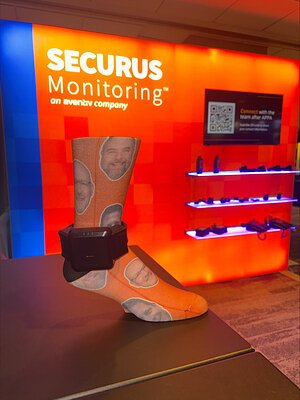
ATLANTA, GA – March 03, 2026 – Amid the bustling halls of the American Probation and Parole Association (APPA) Winter Training Institute, Securus Monitoring is making a concerted push to define the future of community supervision. The company, a subsidiary of the contentious justice-tech giant Aventiv Technologies, is showcasing a suite of intelligence-driven solutions aimed at agencies grappling with soaring caseloads and chronic staff shortages.
At Booth #420, the company presents a vision of a modernized system where technology eases the burden on overworked officers. Their pitch centers on an integrated ecosystem of hardware, real-time analytics, and 24/7 managed services. "Community supervision teams are stretched thin," said Don Burk, Vice President of Public Sector Solutions at Securus Technologies, in a statement released ahead of the conference. "Effective supervision today goes beyond monitoring. It means having the right information at the right time, strong operational support, and technology that makes the job easier."
The Promise of Modern Supervision
The market for these solutions is booming. Valued at an estimated $2.35 billion in 2026, the electronic offender monitoring sector is projected to climb to over $3.4 billion by 2031. This growth is fueled by a nationwide push for alternatives to incarceration, aiming to reduce prison overcrowding and correctional spending while maintaining public safety.
Securus Monitoring is positioning its product lineup as the premier choice in this expanding market. The company is highlighting its flagship offerings:
* BLUtag®: A discreet, one-piece GPS device designed to track individuals while minimizing the stigma often associated with ankle monitors.
* SoberTrack®: A comprehensive alcohol monitoring solution to support compliance with court-ordered sobriety.
* VeriTracks®: An advanced software platform that consolidates data, delivering real-time alerts and analytics to officers.
The company argues that when these tools work in concert, they create a powerful system that helps agencies streamline operations and focus on impactful interventions. The premise is supported by broader academic research, with some studies suggesting that electronic monitoring can reduce the likelihood of an individual failing community supervision by as much as 31% compared to traditional methods. By providing officers with actionable intelligence, the technology aims to shift the focus from simple surveillance to proactive risk management and support.
A Competitive and Contested Field
While Securus touts its two decades of experience and pioneering role in GPS monitoring, it operates in a highly competitive landscape. Industry stalwarts like BI Incorporated, a subsidiary of the GEO Group, and Sentinel Offender Services offer similarly comprehensive suites of tracking hardware, software, and alcohol monitoring systems. BI Incorporated, for instance, manages the technology for the U.S. government's Alternatives to Detention program, highlighting the intense competition for large-scale government contracts.
Furthermore, the real-world performance of Securus's technology has faced user scrutiny. While the VeriTracks web platform is presented as a central hub for case management, public reviews of its companion mobile app reveal significant user frustration, with complaints of frequent crashes and login failures that undermine its utility for officers in the field. This feedback contrasts with the seamless, integrated experience promoted at the APPA conference. There is also confusion surrounding product branding; a search for "BLUtag," the company's GPS device, primarily yields results for an unrelated AI commerce platform, suggesting a potential gap in public-facing documentation and brand recognition for the monitoring device itself.
The Shadow of Aventiv Technologies
The most significant challenge to Securus Monitoring's narrative of rehabilitation and support lies not in its technology or competitors, but in the deeply controversial history of its parent company, Aventiv Technologies. Formerly known as Securus Technologies and owned by private equity firm Platinum Equity, Aventiv has been a lightning rod for criticism over its business practices within the correctional system.
The company has faced numerous lawsuits and widespread condemnation for:
* Exorbitant Fees: Charging what critics call predatory rates for phone calls, video visitation, and money transfers, a practice that has been the subject of a class-action lawsuit alleging a "quid pro quo kickback scheme" with jails to maximize revenue.
* Privacy Violations: Securus was embroiled in scandals for illegally recording privileged attorney-client conversations and for providing a service that allowed law enforcement to track nearly any cell phone in the U.S. without a warrant.
* Data Breaches: The company has suffered major data breaches, including a 2015 incident that exposed records of 70 million inmate phone calls, raising serious questions about its data security protocols.
* Predatory Banking: Another Aventiv subsidiary, JPay, was forced to pay $6 million in fines and restitution in 2021 for its predatory debit card practices, which charged formerly incarcerated individuals high fees to access their own money.
This track record creates a stark dissonance with Securus Monitoring's current messaging around "second chances" and supporting successful reentry. At the same APPA conference where it promotes its monitoring solutions, the company is also hosting sessions on second chance employment—an initiative that critics might view as ironic, given its parent company's history of profiting from the financial struggles of incarcerated people and their families.
A High-Stakes Pivot
The aggressive marketing at the APPA institute comes as Aventiv Technologies navigates severe financial headwinds. The parent company has reportedly defaulted on its debt and, in 2025, undertook a distressed debt-for-equity exchange in what amounted to an out-of-court bankruptcy. These financial struggles, exacerbated by regulatory actions like FCC caps on inmate call rates, paint a picture of a company under immense pressure.
Vieved through this lens, Securus Monitoring's focus on the community supervision market can be interpreted as a critical strategic pivot. As revenue from traditional prison services becomes more constrained and scrutinized, the growing electronic monitoring sector offers a lucrative new frontier. The question for probation and parole agencies, however, is a complex one. They must weigh the purported benefits of Securus's integrated technology against the ethical and financial baggage of its parent company. The challenge lies in determining whether the tools designed to facilitate second chances come from a partner truly invested in rehabilitation or from a corporation seeking a new revenue stream to secure its own survival.