
- Less than 1% of venture capital goes to Black-owned startups - Under 2% of venture capital is secured by women founders - SEC denied Dream Exchange's registration application in November 2025
Experts agree that while Dream Exchange's mission to address funding disparities for small and minority-owned businesses is critical, its success hinges on overcoming significant regulatory and legislative hurdles.
Dream Exchange: A Quest for Capital Faces Regulatory Realities
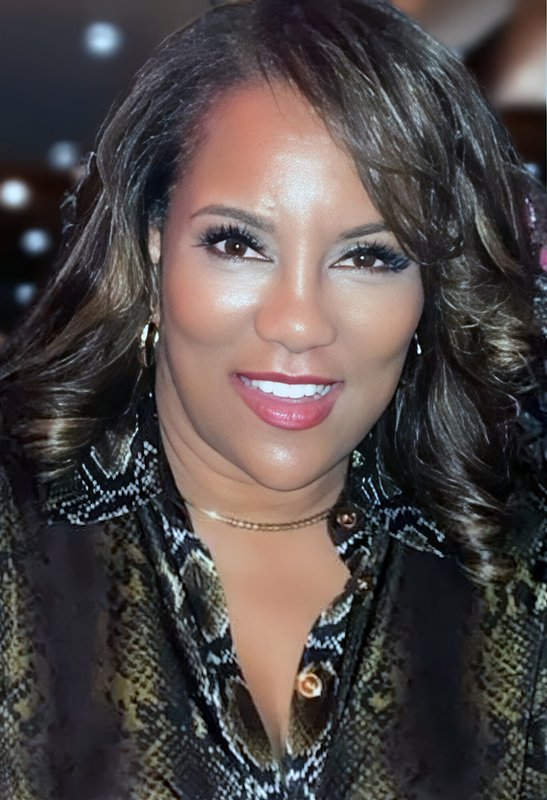
CHICAGO, IL – March 26, 2026 – Serial entrepreneur and investor Dianna Clarkson is lending her influential voice to a new and ambitious venture: the Dream Exchange. Drawing on a career that took her from a Fortune 500 executive to a founder of healthcare and entertainment businesses, Clarkson is championing the proposed new stock exchange as a critical tool for leveling the economic playing field. The mission is to funnel capital to the small and mid-sized businesses that form the backbone of the American economy, with a special focus on creating generational wealth for communities of color. However, this bold vision is running headlong into the complex realities of federal financial regulation and legislative gridlock, painting a picture of a high-stakes battle for the future of Main Street capital.
A Founder's Crusade for Financial Equity
Dianna Clarkson’s advocacy is deeply rooted in her personal and professional journey. With an MBA in Finance and a background in computer science, her path has been anything but conventional. She recounts being an executive in New York and being “frequently mistaken as a nanny,” a stark reminder of the biases that can persist even at high levels of corporate success. This experience, coupled with the challenges she faced securing funding for her own ventures—including Open Hearts Personal Care Homes, LLC, and the successful Life Luxe Jazz festival in Mexico—forged her perspective on the systemic barriers facing entrepreneurs.
"Empowering small and mid-sized businesses with the resources they require to grow is fundamental to building a strong economy," Clarkson stated in a recent announcement. "When we provide access to capital, we accomplish more than just funding a company. We create high-paying jobs, support local communities, and open the door for families to build lasting, generational wealth."
Her philosophy is not merely academic. It’s a principle she learned early on when her father, a military man, proactively managed her 401(k) to teach her the power of early investing. It's a lesson she now passes on, having started stock investments for her own children at a young age. This personal commitment fuels her support for Dream Exchange, which she sees as a mechanism to address a well-documented and persistent problem. Research consistently shows that minority and women-led businesses face a severe funding gap; Black-owned startups, for instance, receive less than 1% of all venture capital, while women founders secure under 2%. Dream Exchange aims to directly challenge this disparity by creating a dedicated, regulated marketplace for these very businesses.
The Legislative Linchpin: The Main Street Growth Act
The entire operational model of the Dream Exchange hinges on a key piece of bipartisan legislation: the Main Street Growth Act. Reintroduced in the House in December 2023 by Congressman Tom Emmer and in the Senate by Senator John Kennedy, the bill is designed to amend securities law to allow for the creation of a new class of “venture exchanges.” These specialized markets would cater specifically to small and emerging growth companies, providing them with an “on-ramp” to public capital without the prohibitive costs and complex requirements of listing on major exchanges like the NYSE or Nasdaq.
Proponents argue the act is a necessary successor to the 2012 JOBS Act, aiming to reverse a decades-long decline in the number of small Initial Public Offerings (IPOs). By creating a more liquid and visible secondary market for these smaller companies, the bill hopes to unlock investment, spur job creation, and give retail investors access to early-stage growth opportunities. While the bill has previously passed the House Financial Services Committee with unanimous support, it has yet to be passed by both chambers of Congress and signed into law. The future of Dream Exchange is therefore inextricably linked to the political fortunes of this legislation.
A Regulatory Setback and the Path Forward
While the legislative path presents one major hurdle, the regulatory one has already proven to be a significant challenge. Dream Exchange Holdings, Inc. formally filed its Form 1 application to register as a national securities exchange with the Securities and Exchange Commission (SEC) in February 2025. However, after a period of review, the SEC issued an order on November 25, 2025, denying the application.
In its order, the SEC stated it was “unable to make the positive determination” required for registration, citing concerns that arose from “press reports” and other non-public sources. The Commission indicated these issues raised questions about the company's capacity to comply with the Securities Exchange Act. The denial was a significant blow, though Dream Exchange leadership has publicly framed it as a “procedural setback” and announced its intention to promptly refile its application. The SEC’s order does not prevent the company from trying again.
Joe Cecala, Founder and Chief Executive Officer of Dream Exchange, remains steadfast in the mission. "Access to capital is the cornerstone of a vibrant economy," Cecala said. "Dianna Clarkson brings a profound understanding of how true equality in the financial markets can transform neighborhoods." Her support, he added, “highlights the critical need to provide deserving companies with the resources they require to succeed.”
Navigating a Crowded and Evolving Field
The quest to fund small businesses is not happening in a vacuum. Dream Exchange enters a landscape populated by a growing number of alternative funding mechanisms. Equity crowdfunding platforms like WeFunder and Republic have already democratized investing to a degree, allowing everyday people to buy shares in startups for as little as $100. Over-the-counter markets like OTCQB, dubbed “The Venture Marketplace,” provide a trading venue for smaller companies. Furthermore, successful international models like Canada’s TSX Venture Exchange (TSXV) have proven that a dedicated public marketplace for early-stage companies can thrive, serving as a vital pipeline for firms needing between $500,000 and $20 million in capital.
Dream Exchange aims to differentiate itself by becoming a fully registered and regulated national securities exchange, a status that would confer a higher level of legitimacy and oversight than many alternatives. The vision is clear and the problem it seeks to solve is undeniable. Yet, with its success dependent on the dual challenges of securing a green light from federal regulators and waiting on the passage of enabling legislation, the dream of this new exchange remains a compelling but uncertain prospect.
Topics & Related
Fintech
Software & SaaS
Generative AI
Trade Wars & Tariffs
IPO
Revenue
Related Company Pulse