
- 90% energy efficiency: Sustaera's new electro-thermal DAC technology achieves over 90% energy efficiency, a significant leap from traditional thermal methods. - $100 per ton cost target: The breakthrough aims to make carbon removal economically viable at less than $100 per ton, a critical benchmark for scalability. - 1,500 kWh per ton: The system requires as little as 1,500 kWh of electricity per ton of CO2 captured, drastically reducing operational costs.
Experts view Sustaera's breakthrough as a credible step toward making Direct Air Capture (DAC) economically viable at scale, potentially reshaping the economics of decarbonization and accelerating climate solutions.
Sustaera's DAC Breakthrough Promises Sub-$100 Carbon Removal
RESEARCH TRIANGLE PARK, N.C. – March 09, 2026 – A North Carolina startup has announced a major technological leap in the fight against climate change, claiming a breakthrough in Direct Air Capture (DAC) that could finally make pulling carbon dioxide from the atmosphere economically viable at scale. Sustaera Inc. reports its new electro-thermal technology has achieved over 90% energy efficiency, a dramatic improvement that it says puts the company on a credible path to the industry's long-sought-after "holy grail": capturing CO2 for less than $100 per ton.
This development injects a jolt of optimism into the nascent DAC industry, which has been hampered by prohibitively high costs and questions about scalability. By promising to slash capital costs by 3-5 times compared to existing methods, Sustaera's innovation could fundamentally reshape the economics of decarbonization and accelerate the deployment of a crucial climate tool.
Cracking the Cost Code
For years, the sub-$100 per ton price point has been the critical benchmark for DAC. It's the theoretical threshold at which removing carbon from the air transitions from a niche, heavily subsidized experiment into a mainstream, market-driven climate solution. Current technologies, however, operate far from this goal, with costs estimated between $300 and $1,000 per ton. Industry leaders like Climeworks, while operating the world's largest DAC facilities, project long-term costs stabilizing closer to $300 per ton by 2030.
Sustaera's confidence stems from a fundamental redesign of the capture process. "Thermal technologies max out at around 40% efficiency,” said Sustaera CTO Cory Sanderson in the announcement. “We’ve recently achieved 90%+ efficiency, using far less capital than traditional thermal approaches, and we’re still innovating.”
This leap in efficiency is the key to unlocking lower costs. Energy consumption is the single largest operational expense for DAC, and Sustaera’s system reports needing as little as 1,500 kWh of electricity per ton of CO2 captured—a highly competitive figure. By drastically reducing the energy penalty, the company aims to make DAC not just more affordable, but also more competitive with other carbon removal pathways like biochar.
A New Generation of Technology
Sustaera’s innovation lies in what it calls a "DAC 2.0" system, which sidesteps the energy-intensive pitfalls of its predecessors. Instead of using large ovens to heat the entire capture apparatus to high temperatures—often with fossil-fuel-derived heat—the company's electro-thermal approach is more surgical.
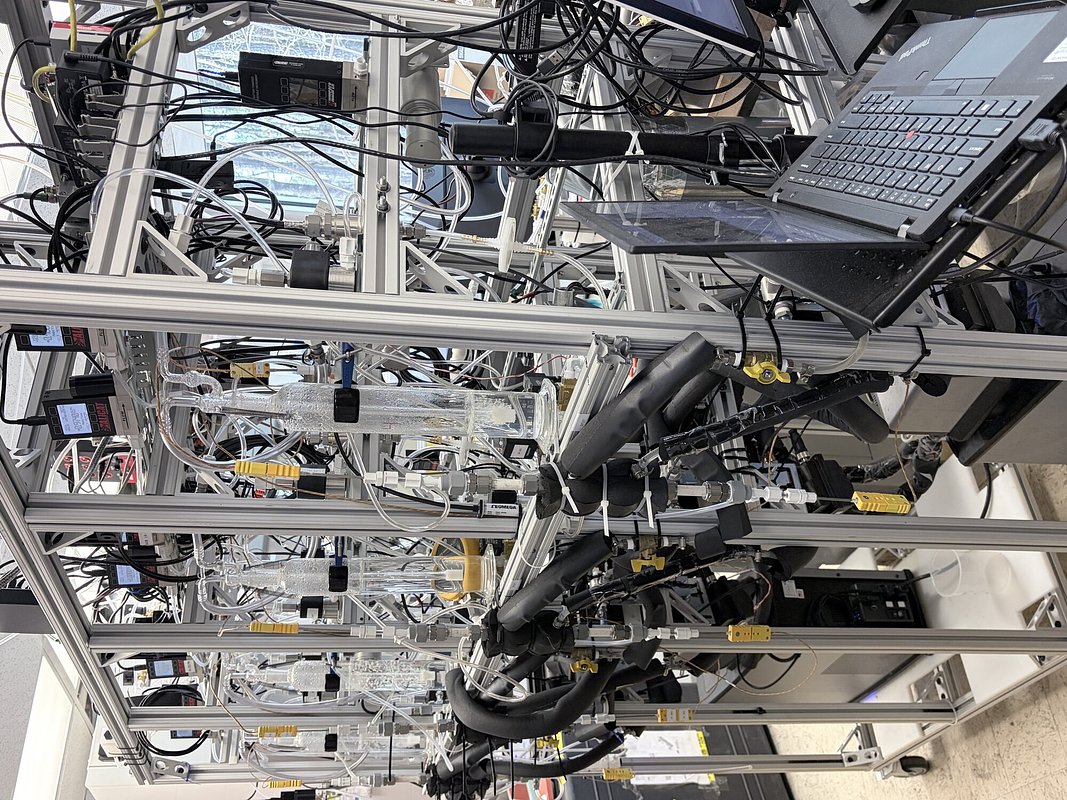
The system uses a honeycomb-like ceramic structure coated with an abundant and inexpensive sorbent material, sodium carbonate. Air is passed through this structure, and the sorbent captures the CO2. The breakthrough comes in the release, or desorption, phase. Rather than heating the entire module, renewable electricity is applied directly to integrated conductive elements within the sorbent structure. This allows for rapid, precise heating at much milder temperatures, releasing a pure stream of CO2 with minimal energy waste.
This approach carries several significant advantages beyond cost. First, it can run entirely on renewable electricity, ensuring the process is truly carbon-negative. Second, the system is water-neutral; it consumes no water and, in fact, produces pure water as a byproduct. This is a critical feature that opens up deployment in arid, sun-rich regions where renewable energy is plentiful but water is scarce—a major constraint for many other DAC designs.
"The technology is beautifully simple. It delivers measurable results and is easy to scale—potentially even without a grid connection," stated Sustaera CEO Ben Gardner.
From Lab to Market with Powerful Backing
Bold claims of technological breakthroughs are common in the climate tech space, but Sustaera’s are bolstered by a formidable coalition of investors, validators, and early customers. The company's progress has been supported by Breakthrough Energy Ventures, the climate fund founded by Bill Gates, which led a $10 million funding round. It has also received grants from the U.S. Department of Energy and was a $1 million milestone winner in the prestigious XPRIZE for Carbon Removal competition, which required teams to demonstrate a viable path to sub-$100/ton removal.
This backing provides a crucial layer of due diligence. Organizations like BEV and the DOE employ rigorous technical vetting processes, suggesting high confidence in the technology's scientific foundations and commercial potential. The DOE has gone further, slating Sustaera’s technology for evaluation within three potential federally funded DAC Hubs and supporting an independent, third-party review of its performance and lifecycle emissions.
Commercial validation is also materializing. Sustaera has already partnered with leading carbon removal purchasers Stripe and Shopify. In a significant vote of confidence, Shopify recently committed to purchasing 5,000 tonnes of carbon removal, becoming the startup's largest customer to date. These advance purchase agreements are vital, providing early-stage companies with the revenue and certainty needed to scale up from pilot projects to commercial facilities.
With its technology validated at a pilot scale, Sustaera is now focused on deployment. The company's modular "Lego block" design, which utilizes existing manufacturing supply chains, is intended to facilitate rapid and repeatable scaling. The firm is in advanced talks with carbon removal developers to license the technology for projects that will capture CO2 for either permanent underground sequestration or for utilization in products like sustainable aviation fuels. This flexible, capital-light licensing model aims to lower the barrier to entry for developers and accelerate the rollout of a technology that the world desperately needs.