
- 200 locations nationwide: Spavia aims to scale its dual-brand wellness empire to 200 locations.
- $5.6 trillion wellness economy: The global wellness market is valued at $5.6 trillion, projected to reach $8.5 trillion by 2027.
- 225 studios scaled: Heather Holland previously scaled CorePower Yoga from 89 to 225 studios across 20 markets.
Experts would likely conclude that Spavia's strategic hire of Heather Holland, combined with its dual-brand approach, positions the company for strong, sustainable growth in the rapidly expanding wellness industry.
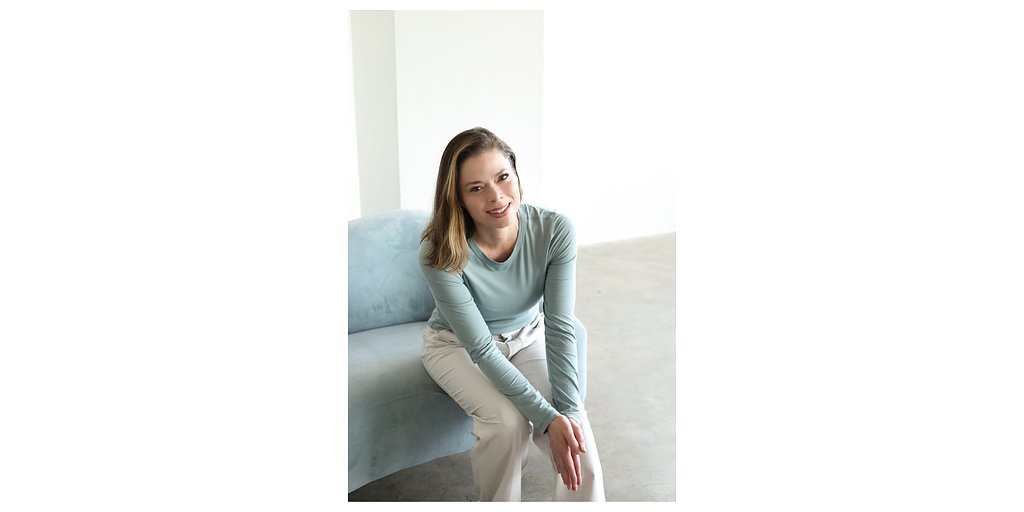
Spavia Taps Growth Veteran Heather Holland to Scale Wellness Empire
DENVER, CO – June 02, 2026 – In a decisive move signaling ambitious growth, resort-inspired day spa franchisor Spavia has appointed Heather Holland as its new Chief Operating Officer. The strategic hire brings a seasoned wellness operator into the fold to spearhead the company's next expansion phase, which includes scaling its flagship Spavia brand and its newer, recovery-focused concept, Sway, toward a combined goal of 200 locations nationwide.
The appointment is more than a C-suite shuffle; it's a calculated play to fortify operational excellence as the company navigates an increasingly competitive and rapidly evolving wellness landscape. Holland's proven track record in scaling high-growth consumer brands is precisely the expertise Spavia needs to translate its ambitious vision into a tangible, national footprint.
A Veteran of Scale Joins the Ranks
Heather Holland is no stranger to the mechanics of explosive growth in the wellness sector. Her resume is a testament to her ability to manage complex operations while expanding a brand's presence. She most recently founded the Denver-based wellness studio Upswell, but her industry-defining experience comes from her tenure as COO of CorePower Yoga. During her time there, she was instrumental in scaling the brand from 89 to an impressive 225 studios across 20 markets, cementing its status as the largest yoga studio brand in the United States.
This experience is directly applicable to Spavia's franchise-driven model. Holland’s immediate impact is already being felt. As part of her transition, she will convert her existing Upswell studios into two new Sway locations, a move that not only demonstrates her commitment but also provides instant momentum for the burgeoning recovery concept.
“Heather understands how to grow wellness brands while maintaining the personal connection that makes them successful,” said Marty Langenderfer, Founder and CEO of Spavia, in a statement. “Her experience scaling high growth consumer businesses and supporting teams at every level makes her a strong addition as we continue building both brands.”
For her part, Holland was drawn to the company's foundational strength. “What really stood out to me about Spavia is what Marty and Allison have built over the years,” she noted. “They’ve grown the company thoughtfully through changing markets, economic uncertainty, and even a pandemic, all while staying deeply committed to franchisees, operational standards, and the guest experience.”
Navigating the $5.6 Trillion Wellness Boom
Spavia's expansion strategy is unfolding within a global wellness economy valued at a staggering $5.6 trillion and projected to reach $8.5 trillion by 2027. The company's dual-brand approach is a savvy maneuver to capture two distinct, yet converging, segments of this lucrative market.
On one side is the traditional day spa market, a segment where Spavia has carved out a niche with its “affordable luxury” model. Competing against established giants like Massage Envy and Hand & Stone, Spavia's 60 existing locations have thrived by offering a resort-inspired experience without the premium price tag. This model caters to a broad demographic seeking stress relief, relaxation, and self-care.
On the other side is the burgeoning recovery and performance wellness market. This segment, popularized by brands like Restore Hyper Wellness, targets a younger, more proactive consumer base interested in biohacking, performance optimization, and tech-driven health solutions. This is where Sway, Spavia’s complementary concept, comes into play. By operating in both arenas, the company diversifies its consumer base and hedges against shifting trends, positioning itself for more resilient growth.
The 'Sway' Factor: Blending Tech and Touch for a New Generation
Sway is arguably the most exciting component of Spavia's forward-looking strategy. Conceived to meet the rising demand for performance-driven wellness, Sway is designed to be the younger, recovery-centered counterpart to Spavia. It strategically combines traditional treatments like massage and facials with the wellness technologies that modern consumers crave, including infrared saunas, cold plunges, and compression therapy.
However, its most significant differentiator may be its embrace of artificial intelligence. Sway locations will feature AI-powered robotic massage from Aescape, a technology that offers highly personalized, data-driven treatments. This positions Sway at the vanguard of the “tech-meets-touch” movement in wellness, appealing directly to a tech-savvy clientele seeking efficiency and precision in their recovery routines.
This hybrid model sets Sway apart from competitors. While many centers focus almost exclusively on tech-based modalities, Sway retains the hospitality-first, human-centric approach of its parent brand within a “design-forward, neighborhood setting.” This blend aims to create a more holistic and inviting experience, bridging the gap between a clinical recovery lab and a luxurious day spa.
The Franchise Blueprint for a 200-Location Empire
Achieving the goal of 200 combined locations is an operational marathon, not a sprint. This is where Holland's primary mandate—overseeing franchisee support and operational excellence—becomes the linchpin of the entire strategy. In a franchise model, brand consistency is paramount. A positive guest experience in Denver must be replicable in Miami, and that requires a robust, scalable, and supportive operational framework.
Holland’s background in managing a multi-state franchise network is critical. Her focus will be on refining the systems, training, and support structures that empower franchisees to succeed. A successful franchisee is the best engine for growth, leading to brand stability and further expansion.
Holland’s own words reveal her appreciation for this very dynamic. Her observation that Spavia grew its national footprint without venture backing speaks volumes. “That says a lot about the strength of the model and the long-term relationships they’ve built along the way,” she stated. This philosophy, which prioritizes sustainable growth and strong partnerships over rapid, cash-fueled expansion, suggests a cultural alignment that bodes well for the company's future.
As consumers continue to invest heavily in their well-being, Spavia's two-pronged attack on the market, now supercharged by Holland's operational leadership, creates a formidable blueprint for building a national wellness empire.