
- Dermatologist Shortage: Canada has only 700-800 dermatologists for 40 million people, with a national shortfall of 465 specialists.
- Wait Times: Average wait times for dermatologist appointments are at least five months, stretching to a year or more in rural areas.
- Early Detection Impact: Early melanoma detection has a 99% five-year survival rate, dropping to 15-20% if diagnosis is delayed.
Experts emphasize that the severe dermatologist shortage and prolonged wait times are putting patients at risk, highlighting the urgent need for systemic reforms, increased specialist training, and government funding to improve access to timely skin cancer care.
Skin Cancer Crisis Hits Parliament Hill Amid Dermatologist Shortage
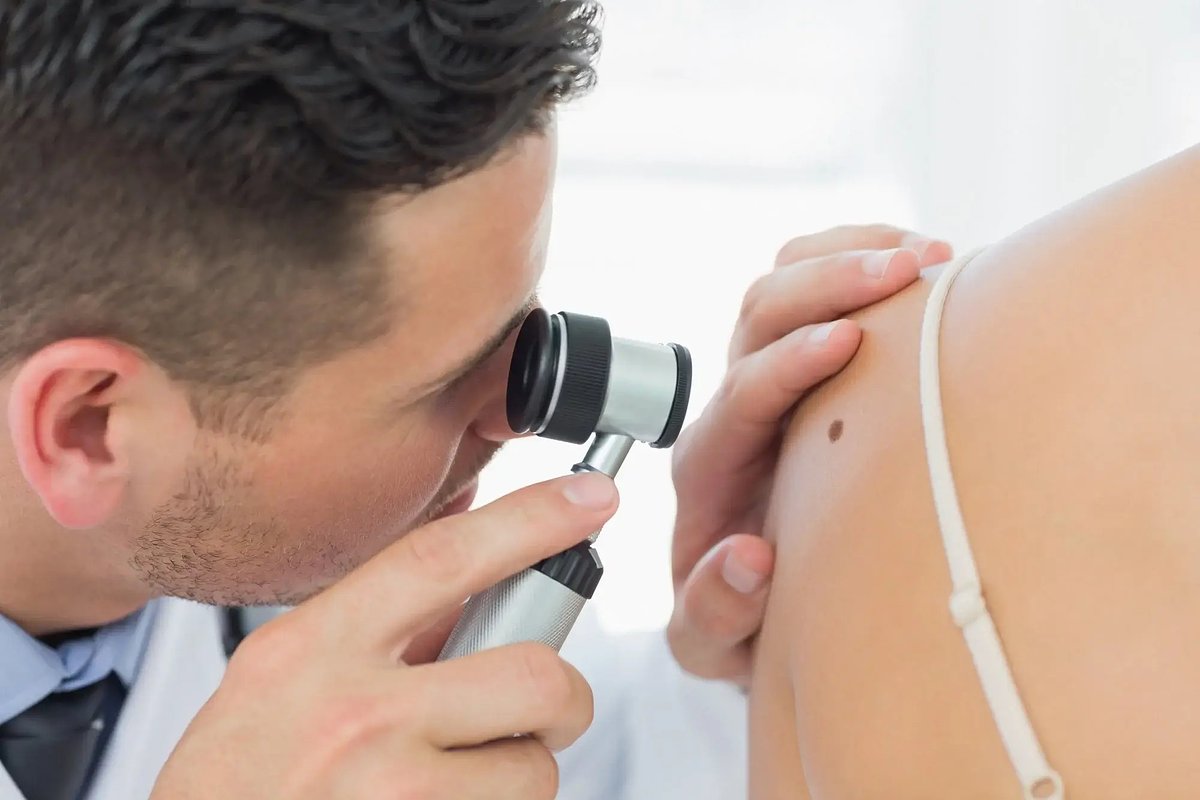
OTTAWA, ON – May 27, 2026 – As government officials work within the halls of Parliament, a different kind of critical service is being offered on its front lawn. The Melanoma Canada Mole Mobile, a mobile skin cancer screening clinic, arrived on Parliament Hill today, where certified dermatologists are volunteering to provide free, potentially life-saving skin checks to the public. The event, a partnership between the Canadian Dermatology Association (CDA) and Melanoma Canada, casts a harsh light on a dual crisis facing the nation: the relentless rise of skin cancer and a severe, systemic shortage of dermatologists to combat it.
This initiative is far more than a public health service; it is a direct and visible plea for political action. By bringing the clinic to the heart of Canadian democracy, organizers are highlighting the dangerous gaps in the healthcare system that leave thousands of Canadians waiting months, and sometimes years, for specialist care.
“Early detection of skin cancer saves lives, but prolonged wait times across Canada are putting patients at risk,” says Dr. Mark Kirchhof, President of the CDA. “By bringing the screening to Parliament Hill, we are providing accessible care while demonstrating the essential role dermatologists play in our health care system. We are urging policymakers and the public to engage with our advocacy initiatives and recognize that timely access to dermatological care is a necessity for all Canadians.”
A System Under Strain
The free screenings in Ottawa are a stark reminder of a service that is increasingly difficult to access. Canada is grappling with a significant and worsening shortage of dermatologists. With only 700 to 800 specialists serving a population of over 40 million, the country has a ratio of roughly two dermatologists for every 100,000 people—well below that of other developed nations like the United States, Germany, and Australia.
The Canadian Dermatology Association estimates a current national shortfall of 465 dermatologists to meet the needs of the population. This deficit is felt most acutely by patients, who face average wait times of at least five months to see a specialist. In many regions, particularly rural and remote communities where the specialist ratio plummets, that wait can stretch to a year or more. For a disease like melanoma, where prognosis is directly tied to the timing of diagnosis, such delays can be the difference between a simple procedure and a fight for survival.
This shortage is compounded by an aging workforce, with nearly half of current physicians nearing retirement, and a system that has failed to grow the number of dermatology residency positions in line with population growth. The result is a healthcare bottleneck that leaves patients in limbo and puts immense pressure on primary care physicians who lack the specialized training to diagnose complex skin conditions.
Advocacy in Action: The 'More Than Skin Deep' Campaign
Today’s event is a cornerstone of the CDA's national advocacy platform, 'More Than Skin Deep,' a comprehensive roadmap designed to force a national conversation and secure government action. The campaign outlines five key solutions to address the crisis: increasing the number of trained dermatologists, securing federal funding for specialty care, investing in innovative diagnostic technologies, expanding team-based care models, and improving public education.
By holding the clinic on Parliament Hill, the CDA is taking its message directly to federal decision-makers. The goal is to move beyond temporary fixes and push for the systemic reforms outlined in their platform. The association is calling on the government to help increase the number of dermatologists to levels comparable with other OECD countries and to make innovative investments in specialty care in the upcoming federal budget.
“Melanoma and skin cancer incidence rates continue to rise in Canada, yet far too many Canadians face significant barriers when trying to access specialized care,” says Falyn Katz, CEO of Melanoma Canada. “Partnering with the Canadian Dermatology Association to bring the Mole Mobile to Parliament Hill sends a powerful message. Early detection is our best defence against skin cancer and we are taking immediate action to close critical gaps in care while advocating for the systemic changes patients desperately need.”
The Life-Saving Power of Early Detection
The urgency of the advocates' message is rooted in stark medical reality. When melanoma, the deadliest form of skin cancer, is detected at an early stage, the five-year survival rate is as high as 99%. However, if diagnosis is delayed and the cancer spreads to other parts of the body, that survival rate plummets to between 15% and 20%.
Early detection not only saves lives but also reduces the physical and financial toll of treatment. A small, early-stage lesion can often be removed with a simple in-office procedure, leaving minimal scarring. A later-stage diagnosis can require extensive surgery, radiation, and aggressive systemic therapies that have a profound impact on a patient's quality of life.
The Mole Mobile, presented by Neutrogena, has become a frontline tool in this battle. Since its launch in 2023, the program has expanded from a single unit in Ontario to a cross-country tour. In 2025 alone, the mobile clinics screened over 8,200 people across four provinces, identifying more than 960 suspicious lesions, including over 200 suspected melanomas. For the people who received those on-the-spot assessments, the program provided a critical pathway to care, bypassing a system clogged with untenable wait times.
As Canadians line up for their free screening under the shadow of the Peace Tower, the event serves as a powerful, living demonstration of a healthcare system at a crossroads. It highlights the dedication of medical professionals volunteering their time to fill a void, while simultaneously sending an undeniable signal to the policymakers inside that for thousands of patients, access to care cannot wait.