
- $36M+ annual revenue: Lifelong's financial strength supports critical health, housing, and food programs.
- 177,000+ meals delivered (2024): Chicken Soup Brigade's impact in a single year.
- 20-40% of homeless youth: LGBTQ+ youth disproportionately affected in Seattle.
Experts would likely conclude that while the gala's celebrity-driven model is innovative, its long-term success in addressing Seattle's deepening LGBTQ+ health and housing crises remains uncertain.
Seattle's New Pride Gala: Can Celebrity Clout Cure a Health Crisis?
SEATTLE, WA – June 08, 2026
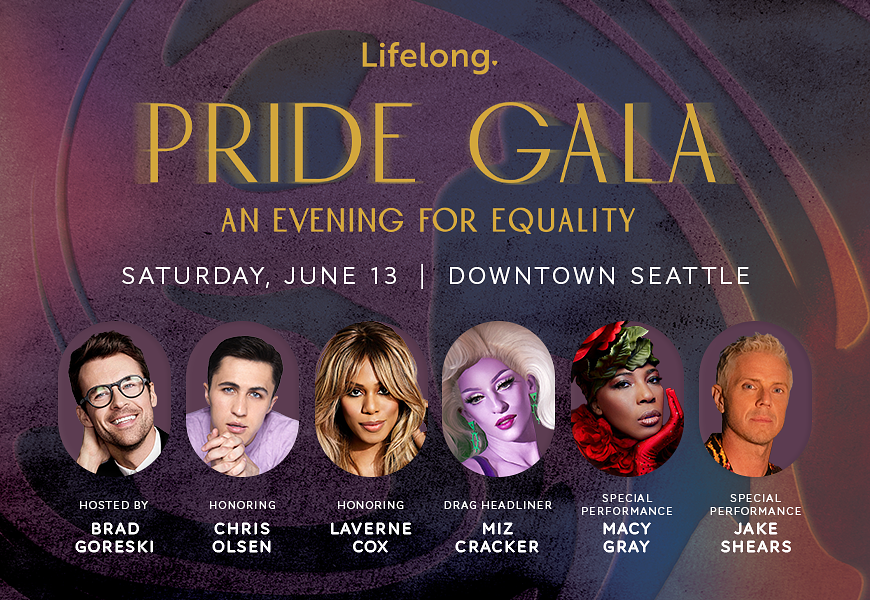
On June 13, Seattle’s social calendar will see the debut of a glittering new entry: the inaugural Lifelong Pride Gala, an “Evening for Equality.” The guest list reads like a who’s-who of queer culture and allyship. Seattle-native Jake Shears of Scissor Sisters will perform, alongside Macy Gray and Miz Cracker. Brad Goreski will host. Trailblazing actress Laverne Cox and TikTok phenom Chris Olsen are set to be honored. It is, by all accounts, a black-tie affair designed to celebrate queer joy and place Seattle firmly on the map for high-profile Pride events.
But beneath the glamour of the red carpet and the clinking of champagne glasses lies a far more sober reality. This event is not merely a party; it's a calculated, high-stakes bet. Lifelong, a cornerstone community health organization, is leveraging the power of celebrity and the promise of an exclusive evening to address a deepening crisis in the very community it aims to celebrate. As the press release touts a night of advocacy and artistry, the real question for an analyst is whether this model—translating cultural capital into hard financial resources—can provide the substantive support a city under strain so desperately needs.
Beyond the Black Tie: A Lifeline's Four-Decade Mission
To understand the urgency behind the gala, one must look past the celebrity roster and into the operations of Lifelong itself. Founded in 1983 during the darkest days of the AIDS crisis, the organization has spent over four decades evolving to meet the complex health and social needs of Washington’s most vulnerable residents. Its modern incarnation is a sophisticated, data-driven operation built on a “wraparound care model” that addresses the interconnectedness of health, housing, and nutrition.
With an annual revenue of over $36 million and a top-tier “Four-Star Charity” rating from Charity Navigator for its financial health and transparency, Lifelong is a formidable force for good. In 2024 alone, its Chicken Soup Brigade delivered over 177,000 medically tailored meals. Its housing program disbursed over $2.2 million in assistance, and its health insurance program managed nearly $15 million in premium payments, keeping thousands of clients connected to care. This is the tangible, on-the-ground work that the gala’s proceeds are meant to sustain.
And the need is growing at an alarming rate. “We're thrilled to welcome such an extraordinary group of talent... while raising critical funds for Lifelong's essential health, housing and food programs,” said James Shackelford, CEO of Lifelong. The term “critical” is no exaggeration. According to recent statements from the organization, the waitlist for its food program has surged from 1,000 to 1,600 people in just a few months. The gala is not just for celebration; it’s a direct attempt to clear that waitlist and fund a response to a rapidly escalating need.
Seattle's Paradox: A Progressive Haven Under Strain
The gala’s timing is particularly pointed when viewed against the broader backdrop of Seattle’s current socio-economic landscape. While the city is celebrated as a progressive haven with one of the nation's largest LGBTQ+ populations (around 10% of residents), it is also a community facing a severe resource crunch. This paradox—of being both a sanctuary and a system under stress—defines the environment in which Lifelong operates.
Data reveals a troubling reality. While making up a fraction of the total population, LGBTQ+ youth account for a staggering 20-40% of the city’s homeless youth population. Food insecurity affects over a fifth of the state’s LGBTQ+ residents. These long-standing issues are now being compounded by a new trend: an influx of queer and transgender individuals moving to Washington to escape hostile legislation in other states. In May, this migration led the Seattle LGBTQ Commission to request the city declare a civil state of emergency, warning that local support services could be depleted by the end of the summer.
Even established pillars of the community are feeling the pressure. Seattle Pride, a co-beneficiary of the gala’s proceeds for its youth programs, is itself facing a projected $350,000 budget shortfall due to a decline in corporate sponsorships. The gala, therefore, represents a strategic pivot—a move to consolidate community and high-net-worth donor support in a single, high-impact evening to backfill gaps left by traditional funding streams.
The Currency of Visibility: Honoring Voices of Change
The selection of honorees Laverne Cox and Chris Olsen is a masterstroke in strategic communication, highlighting the gala’s theme of converting visibility into action. Honoring Cox with the “Pride in Action Award” is more than a celebrity nod; it’s an endorsement of her two decades of relentless advocacy for transgender people, particularly trans women of color. “I'm grateful that my commitment to amplifying LGBTQ+ voices and stories resonates with my community,” Cox stated. Her work directly confronts the discrimination in housing, healthcare, and employment that organizations like Lifelong work to mitigate every day.
Similarly, awarding Chris Olsen the “LGBTQ+ Changemaker of the Year Award” recognizes the power of new media in the fight for equality. Olsen has leveraged his massive TikTok following to normalize queer experiences for a global audience. “It's amazing that showing up as my most authentic self... has created space for conversation, visibility, and understanding,” he remarked. His work represents a new model of activism, demonstrating that building empathy on a mass scale can be a powerful tool for social change.
The performers, too, reinforce this message. Jake Shears’ return to his hometown is a powerful symbol of community roots. “I've always tried to bring queer culture into the mainstream in a way that feels joyful and unapologetic,” he said. This gala is the physical manifestation of that goal: an unapologetically queer, high-end event designed to fund the very safety nets that allow community members to live with joy and dignity.
Ultimately, the Lifelong Pride Gala is an ambitious experiment. It is a test of whether the modern currency of celebrity, influence, and visibility can be effectively exchanged for the resources needed to provide meals, housing, and healthcare. It is a bold attempt to create a new, resilient fundraising model in an era of economic uncertainty and growing social need. While the evening will undoubtedly be a triumph of celebration and community, its true success will be measured in the weeks and months that follow—in the shortening of waitlists, the housing of the vulnerable, and the sustained health of a community that deserves to thrive, not just survive.