
- 1 million youth will benefit from the NASA-Scouting America collaboration.
- Artemis II is the first crewed lunar mission in over 50 years, launching on April 1, 2026.
- Artemis III is planned for mid-2027, aiming to be the first crewed Moon landing since Apollo.
Experts view this partnership as a strategic and impactful way to inspire the next generation of STEM leaders by connecting youth with real-world space exploration challenges and NASA's cutting-edge missions.
Scouting for the Stars: NASA and Scouts Eye the Artemis Generation
IRVING, TX – April 01, 2026 – As the world watches the Artemis II crew begin their historic 10-day journey around the Moon, Scouting America has announced a landmark collaboration with NASA to bring the excitement of space exploration directly to nearly one million young people across the nation. The new partnership, centered on NASA’s ambitious Artemis program, aims to create a new generation of scientists, engineers, and leaders by providing Scouts with unprecedented access to STEM education inspired by America’s return to the Moon.
The announcement comes on the very day NASA successfully launched Artemis II, the first crewed mission to the lunar vicinity in over 50 years. This timely alignment underscores the collaboration's goal: to connect the abstract wonder of spaceflight with tangible, hands-on learning experiences that will shape the future workforce.
A New Frontier for Youth Education
This collaboration will integrate the real-world challenges and triumphs of the Artemis missions into Scouting America’s established advancement pathways. According to the announcement, the initiative will roll out a comprehensive suite of age-appropriate curriculum resources, experiential activities, and defined learning pathways designed to spark curiosity and build critical skills.
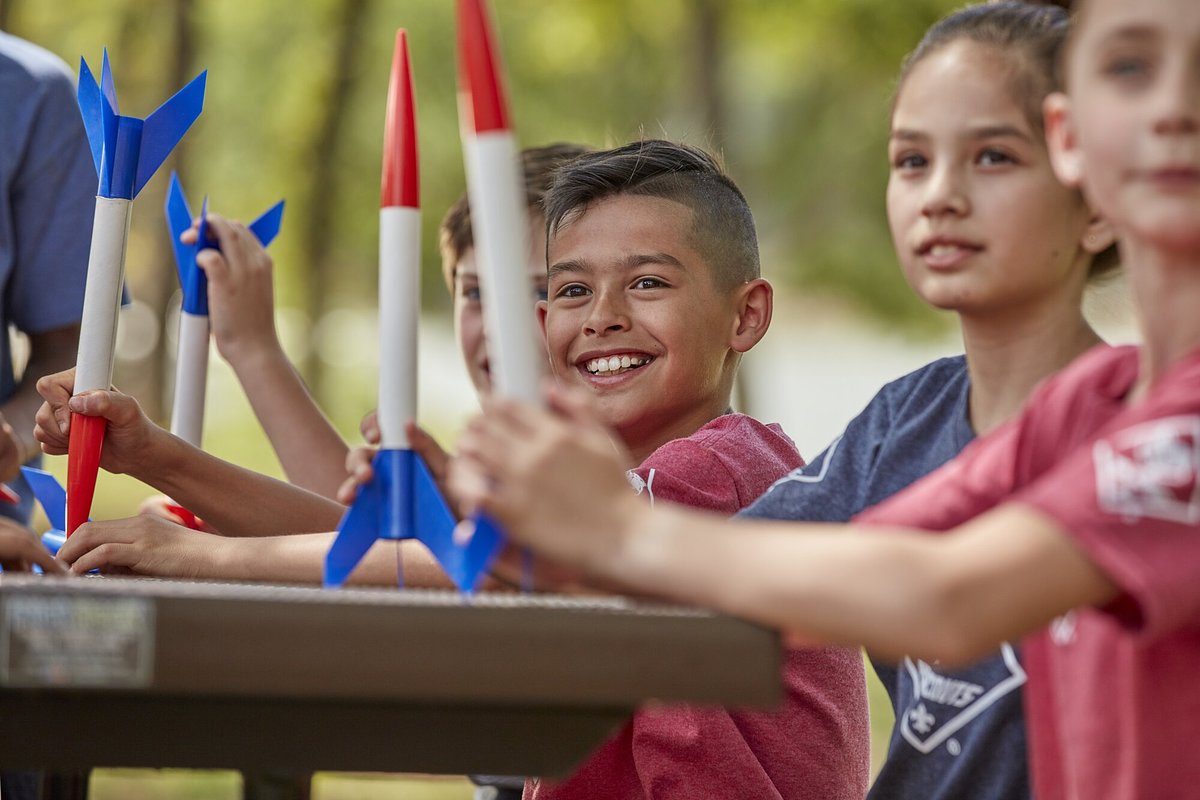
Initial programs are expected to launch in the fall of 2026, offering Scouts opportunities to engage in rocketry workshops, astronaut training simulations, and mission design challenges. The curriculum will cover a wide range of subjects, including aerospace engineering, robotics, Earth and space science, and ethical leadership in high-stakes environments. For many, this could mean progressing from building a model rocket in their local pack meeting to designing a simulated lunar habitat, all while earning merit badges and awards.
“Space exploration captures the imagination and represents the very best of human curiosity and perseverance,” said Roger Krone, president and CEO of Scouting America, in a statement. “By working with NASA and the Artemis program, we are giving Scouts opportunities to learn from one of the world’s most respected scientific organizations while reinforcing the values that define Scouting – preparation, collaboration, and leadership.”
The partnership is more than just a curriculum update; it represents a direct link between a foundational youth organization and one of the most significant scientific endeavors of the 21st century. By providing access to NASA expertise and mission-related content, the program aims to demystify complex scientific concepts and make careers in STEM feel attainable for youth from all backgrounds.
Riding the Artemis Wave
The timing of the collaboration is no coincidence. It leverages the immense public interest surrounding the Artemis program, which is currently in a dynamic and visible phase. The Artemis II mission, which launched today at 6:35 p.m. EDT, carries Commander Reid Wiseman, Pilot Victor Glover, and Mission Specialists Christina Koch and Jeremy Hansen on a lunar flyby to test the Orion spacecraft’s critical life-support and navigation systems. This mission is a crucial stepping stone, paving the way for future landings.
The long-term vision of the Artemis program provides a sustained source of inspiration. Artemis III, now planned for mid-2027, will test lunar landers in Earth orbit, while Artemis IV is slated to be the first crewed Moon landing since the Apollo era in early 2028. Subsequent missions aim to establish a permanent lunar base, which will serve as a launchpad for eventual human exploration of Mars.
For the Scouts participating in the new program, this timeline means they will grow up alongside the Artemis missions. They can follow the real-time progress of missions they have studied, see technologies they have learned about being deployed in space, and feel a personal connection to the astronauts and engineers making history. This sustained engagement is what experts believe can transform passing interest into a lifelong passion and a potential career path.
Modernizing a Legacy of Leadership
For Scouting America, this high-profile partnership is a significant step in its ongoing evolution to remain relevant and impactful for 21st-century youth. While known for its traditional focus on outdoor skills and character development, the organization has steadily expanded its commitment to STEM education over the past decade.
Existing programs like the Nova and Supernova Awards already encourage Scouts to explore topics from robotics to environmental science. A robust catalog of over a dozen STEM-related merit badges—including Space Exploration, Engineering, and Programming—has provided a foundation for this new initiative. The NASA collaboration dramatically enhances this framework, moving from theoretical learning to direct application linked to an active, inspiring national project.
This strategic alignment helps the century-old organization address the changing interests and educational needs of young people. By integrating cutting-edge science and technology into its core programming, Scouting America reinforces its mission to prepare youth "For Life" in a world increasingly driven by innovation. The partnership is a clear signal that the organization is looking toward the future, equipping its members with the skills necessary to thrive in it.
A Blueprint for National STEM Engagement
The partnership between Scouting America and NASA serves as a powerful case study in how public-private collaborations can amplify national educational goals. This model, which pairs a government agency's vast resources and expertise with a non-profit's extensive youth network, is a recognized strategy for fostering a robust STEM pipeline.
NASA has a long history of such educational outreach, engaging with partners from LEGO Education to public libraries through its "NASA@ My Library" program to make space science accessible. Similarly, other federal science agencies like the National Oceanic and Atmospheric Administration (NOAA) run science camps and fellowships to inspire interest in Earth and ocean sciences.
What makes the Scouting America collaboration particularly potent is its scale and structure. With nearly one million youth and 500,000 adult volunteers organized in local councils across the country, the program has the potential to deliver high-quality STEM engagement to a vast and diverse audience. The integration of activities into the existing merit badge and advancement system ensures that the engagement is not a one-time event but a sustained part of the Scouting experience.
By creating the "Artemis Generation" of young people who are not just spectators but active learners in the new space race, this collaboration aims to cultivate the talent and passion needed to secure America’s future leadership in exploration and innovation. The skills learned—teamwork, problem-solving, and resilience—are the same ones being tested by the Artemis II crew as they journey farther into space than humans have been in over fifty years.