
- 20-30 years: Typical lifespan of asphalt shingle roofs before replacement becomes more cost-effective than repairs. - $2,500+: Threshold in Alabama requiring residential roofing projects to be handled by a licensed contractor. - Hot summers & storms: Boaz, Alabama's climate accelerates roof component degradation, particularly for pipe boots and flashing.
Experts agree that proactive, climate-specific roof maintenance and professional inspections are critical for cost-effective home asset protection, with replacement often becoming necessary after 20 years or when systemic damage occurs.
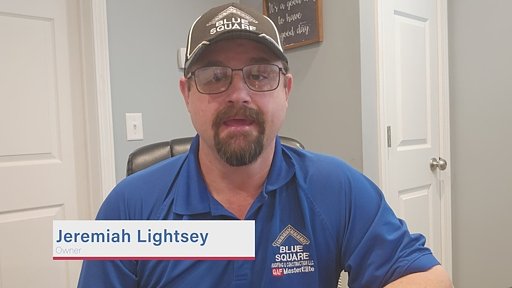
Roof Leaks and Revenue Streams: A Boaz Expert’s Guide to Home Asset Protection
BOAZ, AL – June 18, 2026 – For homeowners, the telltale drip of a leaky roof triggers immediate financial anxiety. The question looms: is this a simple patch job or the start of a five-figure replacement? In Boaz, Alabama, where summer storms are a seasonal certainty, this dilemma is particularly acute. Now, local roofing expert Jeremiah Lightsey is leveraging a new media model to provide homeowners with a strategic framework for this critical decision, highlighting a broader shift in how local businesses build authority and connect with their communities.
Lightsey, the owner of the GAF Master Elite® certified firm Blue Square Roofing & Construction LLC, recently shared his insights in an article published by HelloNation, a platform billing itself as “America’s Good News Network.” The collaboration does more than offer home maintenance tips; it serves as a case study in how expert-driven content is becoming a powerful tool for business growth, consumer education, and strategic market positioning.
Beyond the Shingles: Alabama's Climate as a Business Driver
The decision between a targeted repair and a full-scale replacement is rarely straightforward, and local climate conditions add a significant layer of complexity. According to Lightsey’s analysis, not every leak spells doom for an entire roof. Many issues are isolated and, if caught early, can be resolved without major expense. However, the specific environmental pressures in North Alabama mean that certain components are uniquely vulnerable.
One of the most common culprits he identifies is flashing—the metal strips that seal joints around chimneys, valleys, and skylights. When it corrodes or pulls away, water intrusion is swift. Another frequent point of failure is the pipe boot, a rubber collar sealing plumbing vents. “In Boaz, Alabama, where summers are hot and afternoon storms are common, pipe boot degradation can happen faster than homeowners expect,” the expert noted. This accelerated wear and tear, driven by intense UV exposure and thermal cycling, transforms a minor component into a major liability.
This climate-specific insight is crucial. It moves the conversation from generic advice to actionable, localized intelligence. For a business like Blue Square Roofing & Construction, demonstrating this nuanced understanding is a key differentiator. It builds trust by showing homeowners that the advice is tailored to their specific reality, not a one-size-fits-all sales pitch. The strategy positions the firm not just as a contractor, but as a proactive risk management partner for a homeowner’s most valuable asset.
A Framework for Financial Fortitude: Repair vs. Replace
Lightsey’s guidance provides a clear cost-benefit analysis for homeowners. The tipping point from repair to replacement hinges on three primary factors: the age of the roof, the extent of the damage, and the condition of the underlying structure.
Localized damage, such as a few shingles lifted by wind or impacted by hail, can often be addressed with a simple repair, provided the surrounding materials remain in good condition. However, when problems become systemic, patching becomes a financially unsound strategy of throwing good money after bad. Widespread curling, cracking, or significant granule loss across shingles indicates that the materials have reached the end of their functional lifespan. An even more serious red flag is the presence of “soft spots” in the decking, a sign that the underlying wood has absorbed moisture and is beginning to rot. As the article points out, any repair placed on a compromised foundation is destined to fail.
Age is a critical variable in this equation. Most asphalt shingle roofs are designed to last 20 to 30 years. “A roof already 18 to 20 years old that begins leaking may not justify repeated patching,” the expert explained. At that stage, the cumulative cost of ongoing repairs can quickly approach the investment of a full replacement, which offers two more decades of security. This long-term financial perspective is essential for homeowners making strategic decisions about property maintenance and value preservation.
Furthermore, the guidance stresses the importance of looking beyond the roof itself. Slow, hidden leaks can saturate attic insulation, compromise ceiling joists, and foster mold growth long before a stain appears on a ceiling. This underscores the need for thorough, professional inspections—a service that also functions as a crucial entry point for building a client relationship based on diligence and transparency.
The 'Edvertising' Shift: Content as a Business Strategy
This entire exchange of expertise is facilitated by HelloNation’s unique business model, which it terms “edvertising.” The platform blends educational content and expert storytelling, creating a space where businesses can provide genuine value to the community while simultaneously building their brand. By featuring a licensed and certified professional like Jeremiah Lightsey, the media outlet gains credible, useful content, while the expert’s business, Blue Square Roofing & Construction, gains a platform to demonstrate its authority and commitment to consumer welfare.
This represents a significant strategic shift from traditional advertising. Instead of simply buying space for a slogan, businesses are investing in content that empowers potential customers. This approach is particularly effective in industries like construction and home services, where trust and verifiable expertise are paramount. In Alabama, where homeowners must be vigilant about contractor qualifications—state law requires residential roofing projects over $2,500 to be handled by a contractor licensed by the Home Builders Licensure Board (HBLB)—this model allows credible professionals to distinguish themselves from unscrupulous operators.
For homeowners, the benefit is access to free, expert-backed information that helps them navigate complex and costly decisions. For businesses, it is a method of lead generation built on goodwill and competence rather than high-pressure sales tactics. It’s a symbiotic relationship that redefines the intersection of media and local commerce, turning shared knowledge into a catalyst for business growth and community resilience.