
- $1.2 billion: The global robot barista market in 2026
- 12% CAGR: Projected growth rate for the robot barista market over the next decade
- $85,000–$120,000: Initial investment cost for advanced robotic barista systems
Experts believe that while robotic baristas like RoboBarista offer unmatched consistency and efficiency, they cannot fully replicate the human touch in hospitality, suggesting a future where automation and human baristas coexist in complementary roles.
Robot Baristas Arrive: Can Automation Perfect the Art of Coffee?
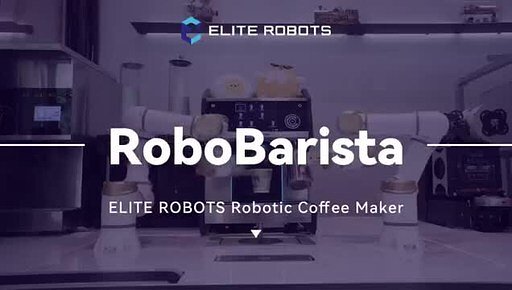
SHANGHAI, China – April 30, 2026 – The morning coffee run may soon involve more silicon than soul. Shanghai-based Elite Robots, a global player in collaborative robotics, has officially launched the RoboBarista, a fully autonomous coffee station poised to bring machine-like precision to one of the world's most beloved artisanal beverages. Promising 24/7 service and master-level quality, the launch signals a bold move to automate the cafe experience in high-traffic spaces like airports, offices, and hotels.
This isn't just another vending machine. The RoboBarista is a sophisticated kiosk built around one or two collaborative robot arms—or "cobots"—that automate the entire coffee-making process, from grinding beans to pouring intricate latte art. The system aims to merge the consistency and efficiency of automation with the craft and personalization consumers have come to expect from their daily brew.
The Robotic Touch: Automation Meets Artisanal Coffee
At the heart of the RoboBarista's appeal is its ability to replicate the nuanced movements of a human barista. Elite Robots claims its cobots possess a repeatable positioning accuracy of 0.02mm to 0.05mm. This level of precision allows the dual-arm models to perform synchronized movements, pouring steamed milk to create complex latte art patterns like swans and tulips—a feat that separates it from standard automated dispensers.
"Unlike standard vending, RoboBarista replicates the human experience," the company stated in its announcement. To further blur the line between machine and craftsman, an optional caramel jet printer allows customers to upload images from their phones and have them printed directly onto the foam of their drink, offering a new dimension of personalization.
The system integrates high-end components, including a Swiss-made EVERSYS coffee machine, to ensure the quality of the beverage itself is not compromised. With a menu of over ten drinks and a capacity of up to 60 cups per hour, the RoboBarista is engineered for speed and variety, aiming to slash wait times during peak hours without sacrificing quality. For operators, the platform offers a smart management system with remote monitoring, sales analytics, and automated cleaning cycles, promising low-maintenance reliability.
Redefining the Coffee Break: A New Business Model
The introduction of RoboBarista comes at a pivotal moment. The global robot barista market, valued at over $1.2 billion in 2026, is projected by industry analysts to grow at a compound annual growth rate (CAGR) of over 12% in the next decade, reaching nearly $4 billion by 2035. This growth is mirrored in the broader smart vending sector, which is rapidly expanding as businesses seek automated, data-driven solutions.
For commercial venues, the business case is compelling. Robotic baristas offer a solution to persistent labor shortages and rising wage costs in the hospitality industry. By operating 24/7 without breaks or benefits, a system like RoboBarista can dramatically reduce operational expenses. Elite Robots suggests that businesses in high-traffic locations could see a return on investment within 12 to 18 months. The initial investment, however, is significant, with similar advanced robotic systems costing anywhere from $85,000 to over $120,000, a potential barrier for smaller enterprises.
Beyond cost savings, the primary advantages are consistency and efficiency. Every cup is brewed to the exact same specifications, eliminating the human error and variability that can affect quality. This reliability is crucial in building customer trust and loyalty, especially in fast-paced environments where consumers value speed and predictability.
A New Blend: Robots and the Human Barista
The rise of automated systems like RoboBarista inevitably raises questions about the future of human jobs in the service industry. Research suggests that a significant percentage of tasks performed by restaurant workers, including baristas, are susceptible to automation. Repetitive duties like order-taking, payment processing, and drink assembly are prime candidates for robotic takeover, particularly in high-volume, commodity-focused settings like quick-service chains and transit hubs.
However, this technological shift may not spell the end of the human barista but rather a redefinition of their role. While robots can master the technical mechanics of coffee making, they cannot replicate the uniquely human elements of hospitality: the warm greeting, the personal recommendations, and the community atmosphere that defines the third-wave coffee experience. Experts believe the labor market may bifurcate, with robots dominating high-volume, efficiency-driven environments, while human baristas thrive in premium, experience-focused cafes.
In this future, the role of the barista could evolve to focus on higher-value tasks that automation cannot touch—customer engagement, sensory expertise, coffee sourcing, and creating a welcoming space. The barista becomes less of a machine operator and more of a coffee connoisseur and host. This hybrid model, where technology handles the repetitive labor and humans provide the irreplaceable personal touch, may represent the next evolution of the coffee industry. As RoboBarista embarks on its world tour from Italy to Taiwan, it will be serving not just lattes and espressos, but a glimpse into this automated future.