
- $8.1M raised in Series A funding
- 5x faster trait discovery with AI vs. conventional breeding
- $1.5B annual losses in the U.S. from soybean cyst nematode alone
Experts view Resurrect Bio's AI-driven approach to reactivating plant defenses as a promising, sustainable alternative to chemical pesticides, with strong potential to enhance global food security.
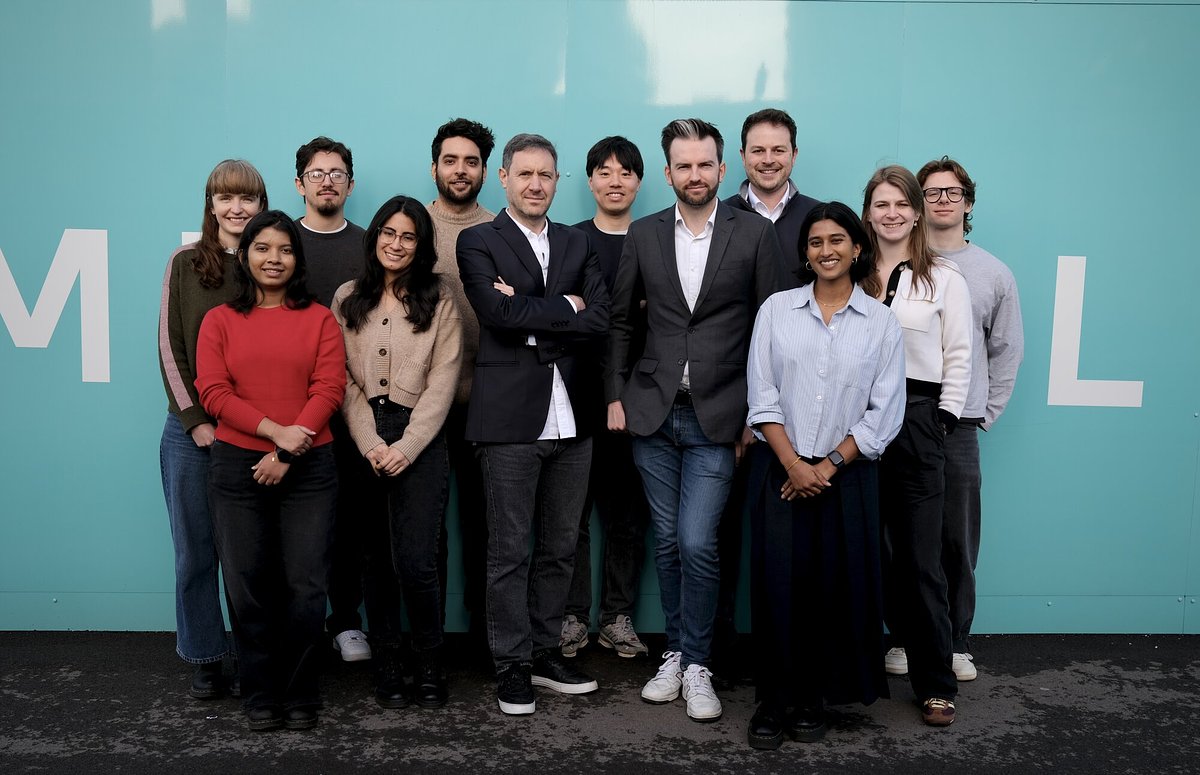
Resurrect Bio Secures $8.1M to Revive Crop Defenses with AI
LONDON – February 17, 2026 – In a significant boost for sustainable agriculture, London-based biotechnology firm Resurrect Bio has announced the initial closing of an $8.1 million Series A funding round. The investment, led by agricultural giant Corteva through its Corteva Catalyst platform, signals strong industry confidence in the startup's novel approach to combating crop disease by reawakening plants' own genetic defenses.
The financing round saw participation from a diverse group of investors, including Calculus Capital, Dutch impact investor Pymwymic, and returning seed-round backers UKI2S, SynBioVen, and AgFunder. The capital injection is set to accelerate Resurrect Bio’s mission to move its innovative disease-resistance traits from the laboratory to commercial seed partners, offering a powerful alternative to conventional chemical pesticides.
Reviving Nature's Arsenal
At the heart of Resurrect Bio’s strategy is a departure from traditional crop protection methods. Instead of layering on external chemical treatments, the company delves into the plant's own genome to identify and reactivate dormant disease-resistance genes. Pathogens often evolve to produce proteins that suppress a plant's immune system, leaving it vulnerable. Resurrect Bio's technology uses precision gene editing to make subtle changes to native plant genes, effectively preventing the pathogen's suppressors from working and allowing the crop's natural defenses to function as intended.
This “resurrection” process is guided by the company's proprietary FloraFold® AI platform. Trained on a vast dataset of plant-pathogen interactions, the AI system can predict which genes to target, dramatically speeding up the discovery process. The company claims its high-throughput platform can identify promising resistance traits up to five times faster than conventional breeding methods, which can take years or even decades to yield results.
"We're thrilled to have secured this investment from such a distinguished group of partners who share our vision of delivering durable disease resistance to farmers," said Dr. Cian Duggan, CEO of Resurrect Bio. "With Corteva's leadership and the support of Calculus Capital, Pymwymic and our existing investors, we're now positioned to scale our platform and deliver multiple resistance traits to the seed industry."
The scientific foundation for this work is robust, stemming from pioneering research at The Sainsbury Laboratory in Norwich, a world-renowned institute for plant-microbe science from which Resurrect Bio was spun out. The company's founders, Prof. Sophien Kamoun, Prof. Tolga Bozkurt, and Dr. Cian Duggan, are at the forefront of this field, leveraging years of research into the intricate networks of immune receptors that plants use to fend off disease.
A Strategic Bet on Sustainable Agriculture
The leadership of Corteva, a global pure-play agriculture company, in this funding round is a powerful validation of Resurrect Bio’s commercial potential. The investment was made through Corteva Catalyst, a platform launched in 2024 to intentionally collaborate with and invest in early-stage, disruptive technologies. This move reflects a broader industry shift, where agricultural titans are increasingly looking to agile startups for next-generation solutions that go beyond the traditional chemical-based portfolio.
"Our collaboration with Resurrect Bio signals another step in our journey to discover new technologies that provide farmers more sustainable crop protection solutions," commented Tom Greene, senior director at Corteva and global leader for Corteva Catalyst. "We're excited to work with Resurrect Bio and explore the next generation of gene editing capabilities to further unlock the potential of our world-class germplasm."
The involvement of Pymwymic, a veteran European impact investor, further highlights the dual promise of Resurrect Bio's technology: financial viability and positive environmental impact. Pymwymic invests from its Healthy Food Systems Impact Fund, targeting companies that can contribute to a more sustainable and resilient food system. Resurrect Bio's goal of reducing reliance on chemical inputs aligns perfectly with this mandate.
The continued participation of seed investors like UKI2S, synthetic biology specialist SynBioVen, and agrifood tech VC AgFunder demonstrates sustained belief in the company’s trajectory from its earliest stages.
Navigating the Path from Lab to Field
The timing of this investment is particularly opportune, as the regulatory environment for gene-edited crops is becoming increasingly favorable in key agricultural markets. Plant diseases pose a persistent threat to global food security, with pathogens like the soybean cyst nematode causing an estimated $1.5 billion in annual losses in the United States alone. Climate change is expected to exacerbate these pressures, making the need for resilient crops more urgent than ever.
In the United Kingdom, the Genetic Technology (Precision Breeding) Act 2023 has created a streamlined regulatory pathway for gene-edited plants in England, separating them from the more stringent rules governing traditional GMOs. This change is designed to accelerate the development and commercialization of crops with beneficial traits like disease resistance.
Similarly, the European Union is advancing reforms to its own framework. A provisional agreement reached in late 2025 aims to exempt certain gene-edited plants, whose genetic changes could have occurred naturally, from the EU's strict GMO directive. This potential deregulation could open up one of the world's largest agricultural markets to technologies like Resurrect Bio's.
Meanwhile, the United States has maintained a permissive stance through the USDA's SECURE Rule, which exempts many gene-edited plants from extensive regulatory oversight. This confluence of scientific advancement, strategic investment, and regulatory evolution creates a clear path for Resurrect Bio to bring its products to farmers. By empowering crops with their own resurrected defenses, the company is poised to play a crucial role in building a more sustainable and secure food future.