
- NOAA Forecast: 8 to 14 named storms predicted for the 2026 Atlantic hurricane season.
- Industry Growth: Portable storage companies like UNITS, PODS, and U-Pack are expanding into disaster preparedness.
- Psychological Impact: Proactive measures reduce anxiety by transforming worry into action.
Experts agree that while portable storage containers offer valuable protection for belongings during hurricanes, they are not invincible and should be part of a broader, multi-layered preparedness strategy.
Resilience in a Box: Rethinking Hurricane Preparedness in a New Age
CHARLESTON, SC – June 04, 2026 – As the Atlantic hurricane season dawns, a familiar ritual begins across coastal communities. We stock up on water, test our generators, and track the spaghetti models of nascent storms. This year, the National Oceanic and Atmospheric Administration (NOAA) has forecast a “below-normal” season, predicting 8 to 14 named storms. Yet, seasoned residents know that such forecasts offer little comfort. As meteorological experts often caution, it only takes one storm to redefine a community, and historical data shows early-season predictions can be conservative.
But beyond the traditional checklist of boarding up windows and planning evacuation routes, a more nuanced conversation about preparedness is emerging. It centers not just on surviving the storm, but on protecting the very fabric of our lives—the documents, heirlooms, and essential tools that help us rebuild. In an era of flux, our strategy for resilience is expanding from the storm cellar to the driveway, where a new class of technology is offering peace of mind: the humble storage container.
Beyond Sandbags: Securing Your Life’s Contents
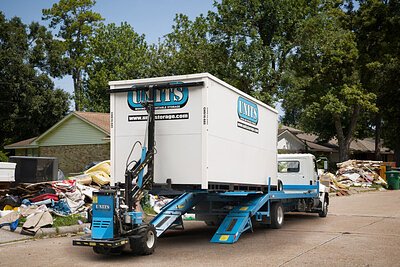
Traditional disaster prep rightfully prioritizes life and safety. But in the aftermath, the loss of personal belongings—irreplaceable photos, critical documents, expensive electronics—can inflict a secondary, profound trauma. This is the gap that companies are now seeking to fill. UNITS Moving and Portable Storage, a national provider, is one of several firms actively encouraging residents to think about asset protection long before a storm watch is issued.
“Families should never have to worry about treasured belongings being damaged during hurricane season,” said Michael McAlhany, the company’s CEO, in a recent announcement. “Taking simple steps early, like organizing valuables and moving items out of vulnerable areas, can make a major difference.”
This sentiment is echoed by emergency management professionals. Agencies like FEMA have long advised homeowners to create detailed inventories of their possessions and secure important documents. The innovation here is the accessibility of a practical solution. Using a weather-resistant container allows a family to methodically sort and store items that might otherwise be relegated to a flood-prone garage or attic. These steel boxes can serve as a personal vault, protecting keepsakes from water damage, leaks, or the chaos of a post-storm environment.
Furthermore, their utility extends into the recovery phase. After a storm passes, these containers can become a crucial staging area. As homeowners navigate the arduous process of cleanup and renovation, a secure unit on their property allows them to sort salvageable items from debris, giving contractors the clear access they need to begin repairs while keeping important belongings protected and close at hand.
The Business of Climate Adaptation
This focus on pre-disaster asset protection isn’t just a public service—it’s a savvy business strategy reflecting a market adapting to climate realities. The portable storage industry, once focused primarily on moving and home renovations, is carving out a significant niche in disaster preparedness. Companies like PODS, with its steel-framed containers, and U-Pack, with its metal ReloCubes, are part of a growing sector providing infrastructure for personal resilience.
What differentiates players in this space often comes down to logistics and local presence. UNITS, for example, operates on a locally owned franchise model. This structure can be particularly effective in disaster-prone regions, as local owners possess an intrinsic understanding of their community’s specific vulnerabilities and can potentially mobilize resources with greater agility than a centrally controlled entity. They are not just service providers; they are neighbors who are also weathering the storm.
This trend represents a broader shift in how we view risk and responsibility. As severe weather events become more frequent and intense, the market for resilience-focused products and services is expanding. From impact-resistant windows to advanced backup power systems, businesses are innovating to meet a growing consumer demand for control in the face of environmental uncertainty. Portable storage is simply the latest, and perhaps most practical, addition to this modern arsenal of preparedness.
The Psychological Armor of a Plan
The value of securing one’s belongings transcends the material. For many, the greatest benefit is psychological. The relentless anxiety of hurricane season—the constant monitoring of forecasts, the uncertainty of a storm’s track—takes a significant mental toll. Proactive measures can serve as a powerful antidote to this stress.
The act of packing a container with cherished items is not just a logistical task; it is an exercise in control. It transforms abstract worry into concrete action. By preparing for the worst, families can create a buffer against the feeling of helplessness that so often accompanies natural disasters. This sense of agency is invaluable, contributing to mental well-being before, during, and after a storm.
“Our goal is to help families prepare before they are under pressure, so they have a secure, accessible place for the belongings that matter most,” McAlhany noted. This focus on pre-emptive action aligns with advice from disaster relief organizations, which emphasize that emotional recovery is intrinsically linked to the stability of one’s environment. Knowing that irreplaceable heirlooms are safe allows individuals to focus on their family’s immediate safety and the long road of recovery ahead.
A Pragmatic Look at 'Weather-Resistant'
As with any technology, it’s crucial to strip away the hype and understand the practical limitations. The term “weather-resistant” is not a guarantee of invincibility. Most portable storage containers are made of steel with durable siding and robust door seals designed to repel wind-driven rain and prevent moisture intrusion under typical storm conditions. They offer substantial protection against the elements.
However, they are generally not designed to be fully submerged in a flood for an extended period. Nor are they climate-controlled, meaning contents can be exposed to the extreme heat of a summer day, a factor to consider when storing sensitive electronics or media. True preparedness involves understanding the capabilities of your tools. Homeowners should still elevate containers if possible in flood-prone zones and use moisture-absorbing packets for added protection in humid climates.
Ultimately, navigating our world in flux requires a multi-layered approach to resilience. While technology and commercial services provide powerful new options, the core responsibility remains with us. A below-normal forecast is not a reason for complacency, but an opportunity to prepare methodically and without panic, ensuring we have done everything possible to protect the people and the possessions we hold dear.