
- 82.3% of Arizonans needing illicit drug treatment did not receive it
- 93.9% of those needing alcohol treatment went without care
- 52.8% of Arizona adults with mental illness received no services in the past year
Experts agree that Arizona's behavioral health crisis is severe, with a critical gap between insurance coverage and actual treatment access, requiring targeted interventions to improve care navigation and reduce systemic barriers.
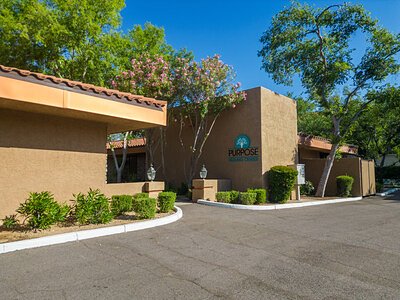
Purpose Healing Center Tackles AZ's Behavioral Health Treatment Gap
SCOTTSDALE, Ariz. – January 08, 2026 – As Arizona grapples with a staggering gap in behavioral health services, a Scottsdale-based treatment provider is marking its eighth anniversary of serving the state's Medicaid population with a new, ambitious commitment. Purpose Healing Center announced today a 2026 initiative designed to dismantle critical barriers that prevent thousands of residents from receiving necessary mental health and substance use treatment.
The announcement comes at a time when the need for accessible care has never been more acute. While many Arizonans have insurance coverage through the Arizona Health Care Cost Containment System (AHCCCS), a significant portion of the population struggling with addiction and mental illness remains untreated. This initiative aims to bridge the chasm between having coverage and actually accessing care, a challenge that has long strained families, communities, and public resources across the state.
The Depth of Arizona's Treatment Crisis
Recent data paints a stark picture of the behavioral health crisis in Arizona, revealing a treatment gap far wider than many realize. According to the most recent National Survey on Drug Use and Health (NSDUH) data from the Substance Abuse and Mental Health Services Administration (SAMHSA), the vast majority of Arizonans who need help are not receiving it.
An estimated 82.3% of residents aged 12 or older who required treatment for illicit drug use did not receive it at a specialty facility. The figure is even more pronounced for alcohol use, with a staggering 93.9% of those needing treatment going without. The crisis extends deeply into mental health as well; approximately 52.8% of Arizona adults living with any form of mental illness did not receive any mental health services in the past year. This figure is slightly above the national average, highlighting a particularly urgent need within the state.
These statistics represent more than just numbers; they translate into preventable crises that ripple through society. Untreated behavioral health conditions contribute to increased homelessness, unemployment, family breakdown, and an overburdened emergency response system. The strain is felt acutely by hospitals, law enforcement, and schools, which are often left to manage the consequences of a system struggling to provide timely and effective care.
Beyond Coverage: A Plan to Remove 'Friction Points'
Purpose Healing Center’s 2026 commitment is built on the understanding that insurance coverage alone is not a panacea. The organization plans to tackle what its spokesperson, Marcus Weisbly, calls the "friction points that keep people from starting and staying in treatment."
"Eight years in, our message is simple: access for all struggling in Arizona is the goal," said Weisbly, who serves as the center's Chief Operating Officer. "AHCCCS is a lifeline for many Arizonans, but coverage alone does not solve barriers like navigation, timing, transportation, stigma, and the complexity of finding the right level of care."
To address these challenges, the provider is rolling out a multi-pronged strategy focused on practical access levers:
- Streamlined Intake and Referral: The plan includes creating clearer and faster pathways for AHCCCS members to enter treatment, reducing the bureaucratic hurdles that can discourage individuals at their most vulnerable moment.
- Expanded Care Navigation: Recognizing that the healthcare system can be bewildering, Purpose will bolster its care navigation services. This involves providing dedicated guides to help individuals and families understand their options, schedule appointments, and connect with appropriate resources, effectively holding their hand through the process.
- Strengthened Community Partnerships: The initiative aims to build stronger ties with other community organizations to identify and connect with unserved residents earlier, before their conditions escalate into emergencies.
- Culturally Responsive Outreach: To combat stigma and build trust, the organization will prioritize outreach and patient education that is sensitive to the diverse cultural backgrounds of Arizona's population. This effort seeks to demystify the treatment process and normalize "getting help."
These strategies align with nationally recognized best practices for improving healthcare access. Models like the "No Wrong Door" policy, where any entry point can lead to the right services, and the use of peer support specialists have proven effective in other states at engaging hard-to-reach populations.
Aligning with State Priorities in a Challenging Landscape
Purpose Healing Center's initiative is not operating in a vacuum. It is strategically aligned with the broader priorities of Arizona's public health apparatus, including the direction reflected in AHCCCS's planning for its 2026–2027 Substance Abuse and Mental Health Block Grant. This federal grant is crucial for funding state-level programs for prevention and treatment, and AHCCCS has long prioritized integrated care, community-based services, and improved care coordination.
The provider joins a field of dedicated organizations, from large integrated health systems like Terros Health and Southwest Behavioral & Health Services to crisis-focused providers like Community Bridges, Inc., all working to serve AHCCCS members. These organizations face a common set of formidable challenges, including a statewide shortage of qualified behavioral health professionals, funding limitations, and the immense difficulty of providing equitable access across Arizona's vast and geographically diverse landscape.
By focusing intently on the mechanics of access—intake, navigation, and outreach—Purpose aims to carve out a distinct and impactful role within this ecosystem. The organization's eight years of experience serving AHCCCS members provides a foundation of institutional knowledge about the specific needs and obstacles faced by this population. This experience, coupled with its status as a Joint Commission (JCAHO) accredited facility—a rigorous national standard for quality and safety—lends significant credibility to its new commitment.
"Arizona's planning efforts recognize what providers see every day: the need is real, and timely access changes outcomes," Weisbly added. The organization has stated it will share program updates, including key outcomes and operational improvements aimed at reducing admission times and improving patient engagement, throughout 2026. "We are proud of the work behind our first eight years, and we are committing to meet the next year with the urgency this moment demands."