
- 30.8% growth: Pepsi Zero Sugar saw a 30.8% growth in 2025, nearly double the category average.
- 66% preference: 2025 Pepsi Challenge data shows 66% of participants preferred Pepsi Zero Sugar over Coke Zero Sugar.
- 100% market wins: Pepsi claims its product won in all 100% of markets where the challenge was conducted, including Atlanta.
Experts would likely conclude that Pepsi's aggressive Super Bowl campaign, leveraging taste tests and high-profile creative direction, represents a strategic effort to disrupt brand loyalty and capture market share in the fast-growing zero-sugar cola segment.
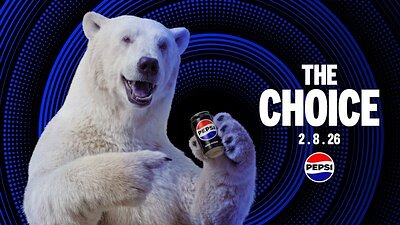
Pepsi's New Cola War: A Polar Bear, Taika Waititi & a Super Bowl Gamble
PURCHASE, NY – January 29, 2026 – In a bold and provocative move set to air during Super Bowl LX, PepsiCo is directly escalating the decades-old Cola Wars, deploying a surprising new convert in its battle for taste supremacy: a polar bear. The new commercial, directed by acclaimed filmmaker Taika Waititi, poaches an animal icon long associated with its chief rival, Coca-Cola, to pose a question the company has asked for half a century: When labels are removed, what do people really prefer to drink?
The ad, titled "The Choice," features a CGI polar bear taking the iconic Pepsi Challenge. Faced with two unmarked cups, the bear chooses Pepsi Zero Sugar over Coke Zero Sugar. Set to the rebellious anthem of Queen's "I Want to Break Free," the bear's initial shock gives way to a celebratory journey of self-discovery, unapologetically embracing a new preference. This high-profile gambit is the centerpiece of a massive campaign designed to confront what Pepsi calls "The Pepsi Paradox"—the phenomenon where taste tests favor Pepsi, even if brand loyalty often leads consumers to purchase Coke.
With this multi-million dollar Super Bowl spot, Pepsi is not just “poking the bear”; it’s roaring back onto the world's biggest advertising stage, betting that in the modern beverage market, taste can finally triumph over tradition.
The Zero-Sugar Battlefield
The timing of Pepsi's aggressive push is no coincidence. The campaign comes on the heels of a banner year for its zero-sugar offering and a seismic shift in consumer behavior. The battle for cola dominance is no longer just about the classic, full-sugar versions; the real growth and future of the market lie in the zero-sugar category. Consumers are increasingly health-conscious, seeking out lower-calorie and sugar-free options without wanting to compromise on flavor.
According to the company, Pepsi Zero Sugar has been a standout performer, posting an explosive 30.8% growth in 2025. This figure is nearly double the growth rate of the entire zero-sugar cola category, indicating that Pepsi is rapidly capturing market share and has reached over one million new households. This surge underscores a critical industry trend: the zero-sugar segment is not a niche but a primary driver of growth for beverage giants.
"For decades, Pepsi has embraced being the challenger cola brand, yet we keep proving we're #1 where it matters most: taste," stated Gustavo Reyna, Vice President of Marketing at Pepsi. "Cola drinkers care about taste, but when they choose anything other than Pepsi, they leave taste on the table." The company's strategy is clear: leverage its strong performance in the zero-sugar space to challenge broader consumer perceptions and habits, using taste as the tip of the spear.
Reviving the Challenge: Taste vs. Tribe
At the heart of the new campaign is the revival of a marketing masterstroke from 50 years ago: the Pepsi Challenge. First launched in 1975, the original blind taste tests famously revealed that more consumers preferred the taste of Pepsi to Coke, a finding that shook the established order. Now, Pepsi is bringing it back with updated data from a 2025 revival, claiming that 66% of participants preferred Pepsi Zero Sugar to Coke Zero Sugar. More pointedly, the company asserts that its product won in 100% of the markets where the challenge was conducted, including in Coca-Cola's own backyard of Atlanta.
While the methodology of single-sip taste tests has been debated by critics for decades—with some arguing they favor sweeter profiles and may not reflect long-term consumption preferences—their power as a marketing tool is undeniable. They create a simple, compelling narrative that cuts through the noise of brand image and advertising. By focusing on the direct sensory experience, Pepsi aims to reframe the choice not as one of brand identity or lifelong habit, but as a simple, personal preference.
The campaign effectively asks consumers to question their own loyalty. Are they part of a "brand tribe" by default, or are they making an active choice based on what they enjoy most? The polar bear's journey in the ad serves as a metaphor for this very question, encouraging viewers to break free from old assumptions.
The Waititi Effect: Crafting a Cultural Moment
To ensure its message lands with maximum impact, Pepsi enlisted the creative vision of Academy Award®–winning director Taika Waititi. Known for his distinctive blend of quirky humor, visual flair, and unexpected emotional depth in films like Jojo Rabbit and Thor: Ragnarok, Waititi's involvement signals Pepsi's ambition to create more than just a commercial. They are aiming for a piece of pop culture entertainment that will be discussed, shared, and remembered long after the game ends.
"I love a good challenge, so I jumped at the chance to take part in what many consider the biggest pop culture competition outside of Streaming vs. Theatrical," said Waititi. His signature style is evident in the ad's premise, which treats the polar bear's crisis of conscience with a playful absurdity that makes the direct competitive jab feel more charming than aggressive.
The choice of Queen's "I Want to Break Free" is another masterful touch, elevating the spot from a simple product comparison to a story of liberation. The combination of Waititi's direction and the iconic soundtrack is designed to create an emotional connection, turning a corporate rivalry into a relatable story of self-discovery.
More Than a Commercial: A Multi-Platform Assault
Recognizing that the Super Bowl is just the kickoff, Pepsi has built an extensive, multi-platform campaign to surround consumers with its message. The strategy extends far beyond the 30-second television spot, aiming to turn passive viewing into active participation. During the game, a social media giveaway on X will award $100,000 in cash prizes to fans who engage with the brand using the hashtag #PepsiTasteWins.
For those inspired to conduct their own test, Pepsi has partnered with delivery service Gopuff to provide complimentary Pepsi Challenge kits in select markets. This clever move brings the campaign directly into consumers' homes, allowing them to experience the blind taste test firsthand during their Super Bowl parties. Further activations, including a "bear-sized takeover" in the San Francisco Bay Area and a sponsored foodie festival, ensure that the brand's presence will be inescapable during Super Bowl week.
This comprehensive approach demonstrates a deep understanding of modern marketing. It's not enough to simply broadcast a message; brands must create experiences and conversations. By inviting consumers to take the challenge themselves and rewarding them for their engagement, Pepsi is betting that a hands-on approach will be far more persuasive than a passive one, potentially converting one curious taster at a time.