
- 22% increase in paddlesports participation since 2019, with 30 million Americans now engaging in the activity.
- 5% rise in paddlesports fatalities (183 deaths in 2023), making it the second-deadliest boating category.
- 87% of drowning victims were not wearing a life jacket.
Experts emphasize that while paddlesports growth is driven by accessibility and innovation, the rising fatalities highlight critical safety gaps, particularly the lack of life jacket use and cold-water risks.
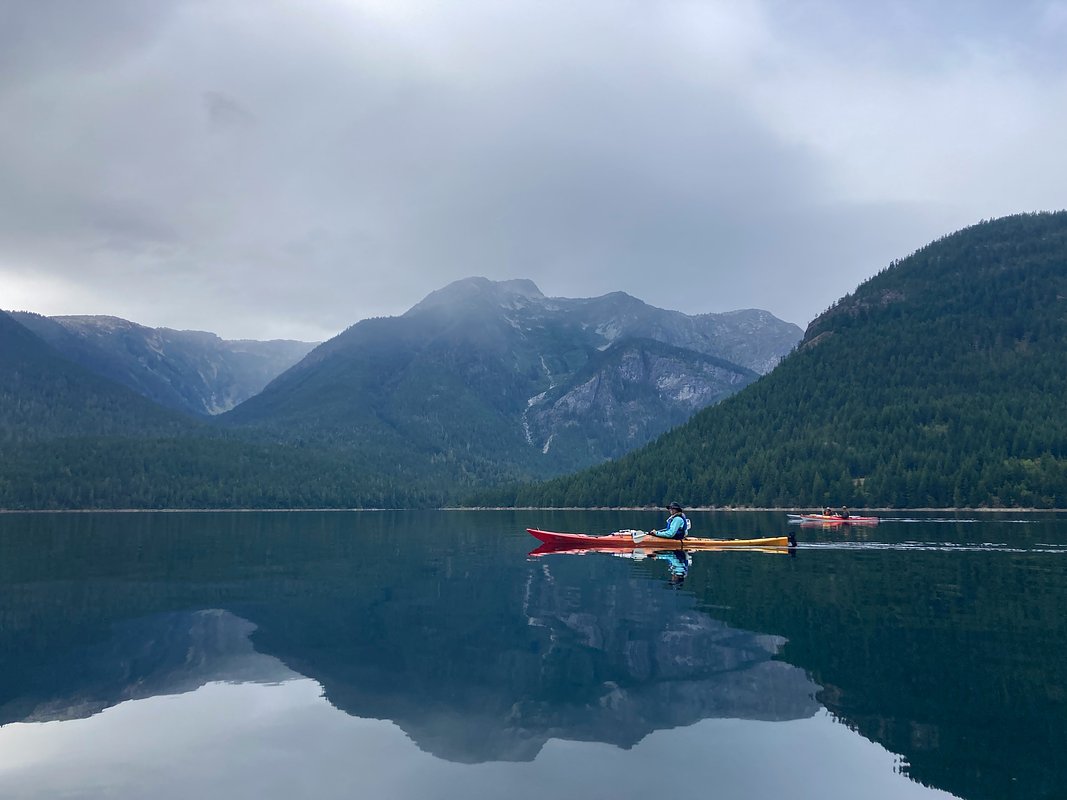
Paddlesports Boom: Navigating Growth, Innovation, and Hidden Dangers
ORLANDO, FL – April 14, 2026 – As waterways across the nation thaw, a wave of enthusiasm is carrying millions of Americans outdoors. The 2026 paddlesports season is underway, buoyed by a remarkable surge in popularity for kayaking, canoeing, and stand-up paddleboarding. According to the Outdoor Industry Association (OIA), participation has swelled by 22 percent since 2019, with nearly 30 million people now enjoying the simple pleasure of gliding across the water.
"We've seen amazing growth in paddlesports in the last few years," said Jeff Moag, content director of the Water Sports Foundation (WSF). "The magic of gliding across a gorgeous stretch of water as the sun rises is irresistible. When you understand that paddlesports are the most accessible way to touch that part of the outdoors, then it's not hard to understand the growth."
This boom is fueled by more than just a desire to reconnect with nature; it's also driven by significant industry innovation. From advanced navigation apps to eco-friendly manufacturing, the barriers to entry are lower than ever. However, this accessibility masks a serious and growing concern that experts are urgently highlighting: a rising tide of preventable tragedies.
The Sobering Statistics Behind the Surge
While the overall number of boating fatalities in the United States saw a welcome decrease of 11.3% in 2023, the paddlesports category bucked this positive trend. According to the U.S. Coast Guard's latest Recreational Boating Statistics report, fatalities involving kayaks, canoes, and paddleboards increased by 5%, accounting for 183 deaths. This makes paddlesports the second-deadliest category in boating, responsible for nearly a third of all fatalities.
A closer look at the data reveals a troubling pattern. A significant portion of these incidents involved paddlers with less than 100 hours of experience, and many had fewer than 10. The leading cause of death was drowning, and in 87% of those cases, the victim was not wearing a life jacket. This stark statistic underscores a critical disconnect between the perceived safety of a calm day on the water and the potential for sudden, life-threatening danger.
The Cold Truth of Spring Paddling
As enthusiasts rush to launch their craft this spring, safety advocates are sounding the alarm about a particularly insidious threat: cold water. Even on a balmy, sun-drenched day, water temperatures in many regions—especially the Pacific Northwest, the Great Lakes, and any waterway fed by snowmelt—can remain dangerously low. Experts define cold water as any temperature below 70 degrees Fahrenheit (21 C), with anything below 60 degrees (15.5 C) demanding extreme caution.
Immersion in cold water can be incapacitating in minutes. Gordon Giesbrecht, PhD, a renowned hypothermia expert known as "Dr. Popsicle," developed the critical 1-10-1 principle for cold-water survival:
- 1 Minute: You have about one minute to get your breathing under control. The initial shock of cold water causes an involuntary gasp reflex, which can lead to panic and water inhalation. The key is to focus on not panicking and controlling your breathing.
- 10 Minutes: You have approximately 10 minutes of meaningful movement. During this window, your muscles are still functional enough to attempt self-rescue, such as getting back on your board or into your kayak.
- 1 Hour: You have about one hour before you become unconscious due to hypothermia. This is the time you have for rescue to arrive, assuming you can stay afloat.
Understanding these stages is vital. The initial cold shock can be paralyzing, and without a life jacket, a person can drown long before hypothermia sets in. This is why the advice from the Water Sports Foundation and other safety organizations is unequivocal.
Gearing Up for Survival and Success
Preventing a tragedy on the water begins long before you launch. Experts stress a multi-layered approach to safety that prioritizes preparation and proper gear.
First and foremost is the consistent use of a U.S. Coast Guard-approved life jacket. It is the single most effective piece of equipment for preventing drowning, keeping you afloat during the initial shock and even if you lose muscle control or consciousness.
Next is to dress for the water temperature, not the air temperature. This means wearing a wetsuit or a dry suit when paddling in water below 70 degrees F, and considering it a mandatory piece of gear in water below 60 degrees F. Unlike cotton, which loses all insulating properties when wet, these garments are designed to keep you warm and functional even after immersion.
Modern technology also plays a crucial role. Paddlers should carry at least two reliable communication devices in waterproof containers. A mobile phone is a good start, but in areas without cell service, a Personal Locator Beacon (PLB) can be a lifesaver. These compact devices use satellites to transmit your exact location to rescue teams with the push of a button.
Finally, basic planning is essential. Always file a float plan by telling someone on shore where you are going, your planned route, and when you expect to return. And always check weather and water conditions before heading out, being prepared to cancel or postpone your trip if conditions exceed your skill level.
Innovation Paving the Way Forward
While safety remains paramount, the industry's growth is also being propelled by exciting advancements that enhance both the user experience and the sport's environmental footprint. Manufacturers are responding to consumer demand with a host of new technologies.
Specialized navigation apps like Argo and Navionics now offer paddlers marine charts, route tracking, and real-time conditions on their phones, taking the guesswork out of exploring new waters. For those looking for an extra boost, electric and pedal-assist kayaks are making the sport accessible to a wider range of fitness levels and allowing anglers to enjoy hands-free propulsion.
Perhaps most significantly, a powerful current of sustainable manufacturing is reshaping the industry. Eco-conscious consumers are driving demand for gear that respects the environments they love to explore. Companies like Melker in Sweden are creating kayaks from flax fiber and plant-based resins, while Odyssey Innovation in the UK produces craft from recycled marine plastic and fishing nets. In the U.S., brands like Astral are known for their PVC-free foam life jackets, and NRS is transitioning its apparel to use post-consumer recycled materials. This focus on durability, repairability, and recycled content marks a critical shift toward a more responsible future for outdoor recreation.
As the paddlesports season unfolds, the message from experts is clear: embrace the growth and innovation, but respect the water. The combination of modern technology, sustainable practices, and an unwavering commitment to safety will ensure that the magic of paddling can be enjoyed responsibly for generations to come.