
- 20-year market leadership: Organic India’s Psyllium Whole Husk Fiber has been the top-selling psyllium fiber supplement in the U.S. natural channel for nearly two decades.
- Market growth projection: The global fiber supplement market is expected to reach over $34 billion by 2032, with the psyllium segment doubling from $1.1 billion in 2024 to $2.1 billion by 2035.
- Regenerative agriculture commitment: Organic India sources psyllium from small family farms in India using Regenerative Organic Certified (ROC) practices, which go beyond USDA Organic standards.
Experts agree that Organic India’s success is driven by a combination of proven digestive health benefits, a strong commitment to regenerative agriculture, and strategic market expansion into mainstream retail.
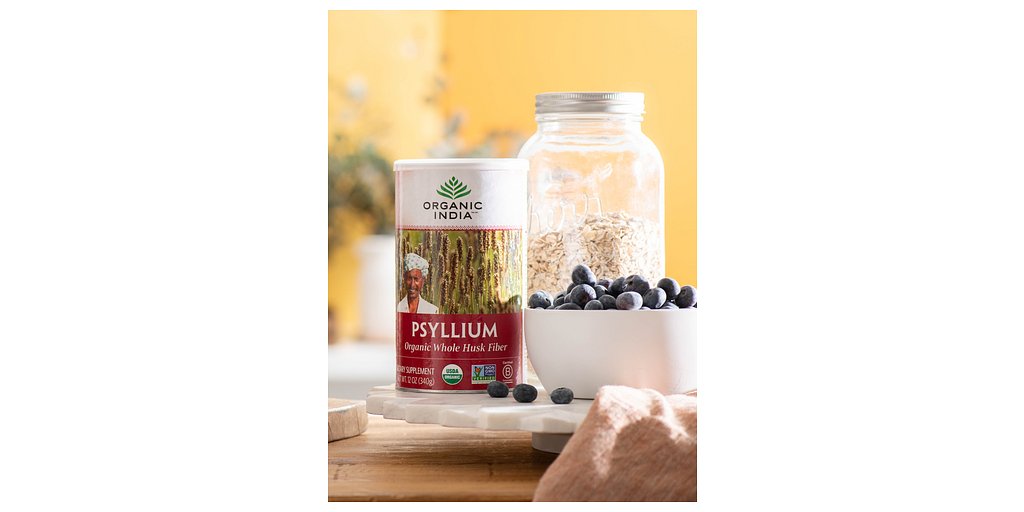
Organic India’s Fiber Reign: Gut Health, Green Farming, and Market Growth
BOULDER, CO – April 20, 2026 – On a day dedicated to planetary health, wellness company ORGANIC INDIA is highlighting a milestone of its own: its Psyllium Whole Husk Fiber has remained a top-selling product in the natural products channel for nearly two decades. This long-standing market leadership, underscored by an Earth Day announcement, points to a powerful convergence of surging consumer demand for digestive health, a booming supplement market, and a growing insistence on ethical and sustainable sourcing.
For nearly 20 years, the brand's psyllium fiber has quietly dominated its niche. Now, as it expands from specialty health stores into the aisles of retail giants like Walmart and CVS, its journey from a natural-channel staple to a mainstream contender offers a case study in how deep-rooted values can translate into enduring commercial success.
The Booming Business of Digestive Wellness
The backdrop for Organic India's sustained success is a fiber supplement market experiencing explosive growth. Analysts project the market will expand at a compound annual growth rate (CAGR) between 5.8% and 6.5% through 2032, pushing its total value beyond $34 billion. The psyllium-specific segment is forecast to double, growing from approximately $1.1 billion in 2024 to over $2.1 billion by 2035.
This growth is fueled by a profound shift in consumer consciousness. Once a topic for hushed conversations, digestive health is now a central pillar of the modern wellness movement. Consumers are increasingly aware of the gut microbiome's critical role in everything from immunity to mood. This has given rise to trends like “fibermaxxing,” where individuals actively seek to increase their fiber intake to optimize health.
“Psyllium husk includes both soluble and insoluble fiber, with research showing benefits for heart health, blood sugar control, and digestive health,” notes Julie Pace, RDN, in a statement. “Studies show it can help lower LDL, or ‘bad’ cholesterol, when taken consistently as part of a low-fat diet.”
The market has also found an unexpected catalyst in the rise of GLP-1 medications like Ozempic and Wegovy. Pace adds that psyllium is “beneficial in managing constipation and may help with gastrointestinal side effects in those taking GLP-1 medications,” opening a new and significant consumer base seeking digestive support.
A Two-Decade Reign in the Natural Channel
Long before fiber became a trending topic, Organic India was building a loyal following. According to data from SPINS, a leading analytics firm for the natural products industry, its Psyllium Whole Husk is the number one selling psyllium fiber supplement in the U.S. natural channel.
This channel, which includes specialty health food stores and independent retailers, often acts as a proving ground for products that later achieve mainstream popularity. Leadership in this space for nearly 20 years signifies deep-seated consumer trust and product efficacy.
“As consumers rediscover the category, our Whole Husk Psyllium Fiber has consistently been the number one seller in the natural channel and is gaining broader retail distribution,” explains Kat Wiranowski, the company’s Director of Marketing. “It’s exciting to see a renewed interest in fiber and its role in overall health. In Ayurveda, there’s a saying that ‘it’s not what you eat, it’s what you digest’ so it's no surprise that this fundamental conversation around fiber is resonating strongly with the consumer.”
The neutral-flavored, gluten-free powder's versatility—blending easily into smoothies or acting as a binder in gluten-free and vegan baking—has also contributed to its longevity, making it a practical staple for health-conscious households.
Beyond Organic: The Regenerative Agriculture Difference
What truly sets Organic India apart, and what it chose to spotlight this Earth Day, is its deep commitment to regenerative organic agriculture. The company sources its psyllium directly from small family farms in India that adhere to practices going far beyond standard USDA Organic certification.
Regenerative Organic Certified (ROC) is a comprehensive standard built on three pillars: soil health, animal welfare, and social fairness. While traditional organic farming focuses on prohibiting synthetic inputs, regenerative practices actively work to improve the ecosystem. This includes techniques that enhance soil organic matter, increase microbial diversity, and improve the land's ability to retain water and sequester atmospheric carbon.
For consumers, this translates into a purer, higher-quality product grown in healthier soil. For the planet, it means agriculture that helps combat climate change, conserves water, and boosts biodiversity. The social fairness pillar ensures that the farmers and workers who cultivate the crops receive fair wages and work in safe conditions, a key differentiator in a global supply chain.
By directly partnering with these small farms, the company has built a transparent supply chain that not only yields a premium product but also contributes to the economic and environmental well-being of the communities it works with. This “farm-to-fiber” narrative resonates powerfully with a growing segment of consumers who vote with their dollars for brands that align with their ethical and environmental values.
Meeting the Modern Consumer in the Mainstream
The brand's strategic expansion into Whole Foods Market, Walmart, and, starting in May, CVS Pharmacy, marks a pivotal moment. It represents a deliberate move to bridge the gap between the dedicated natural products shopper and the mainstream consumer who is increasingly seeking healthier, more sustainable options during their regular shopping trips.
This expansion is not just about capturing a larger market share; it's a reflection of a broader industry shift. SPINS data shows that sales of natural and organic products are consistently outpacing the growth of conventional products, even within conventional retail stores. By placing its top-performing natural channel product onto the shelves of the nation's largest retailers, Organic India is meeting this demand head-on.
This pivot from a natural channel champion to a mainstream contender illustrates a key evolution in the wellness industry, where ethical sourcing and consumer convenience are no longer mutually exclusive but are instead becoming the new formula for success in a competitive market.