
- 17.6%: Diabetes prevalence in the Middle East and North Africa (MENA) region, the highest globally.
- 163 million: Projected number of people affected by diabetes in the MENA region by 2050.
- 15.2%: Projected annual growth rate of the insulin pump market in the Middle East and Africa.
Experts view the launch of the Omnipod 5 system in the Middle East as a critical advancement in diabetes care, addressing a significant technology gap and improving health outcomes through automated insulin delivery and data-driven management.
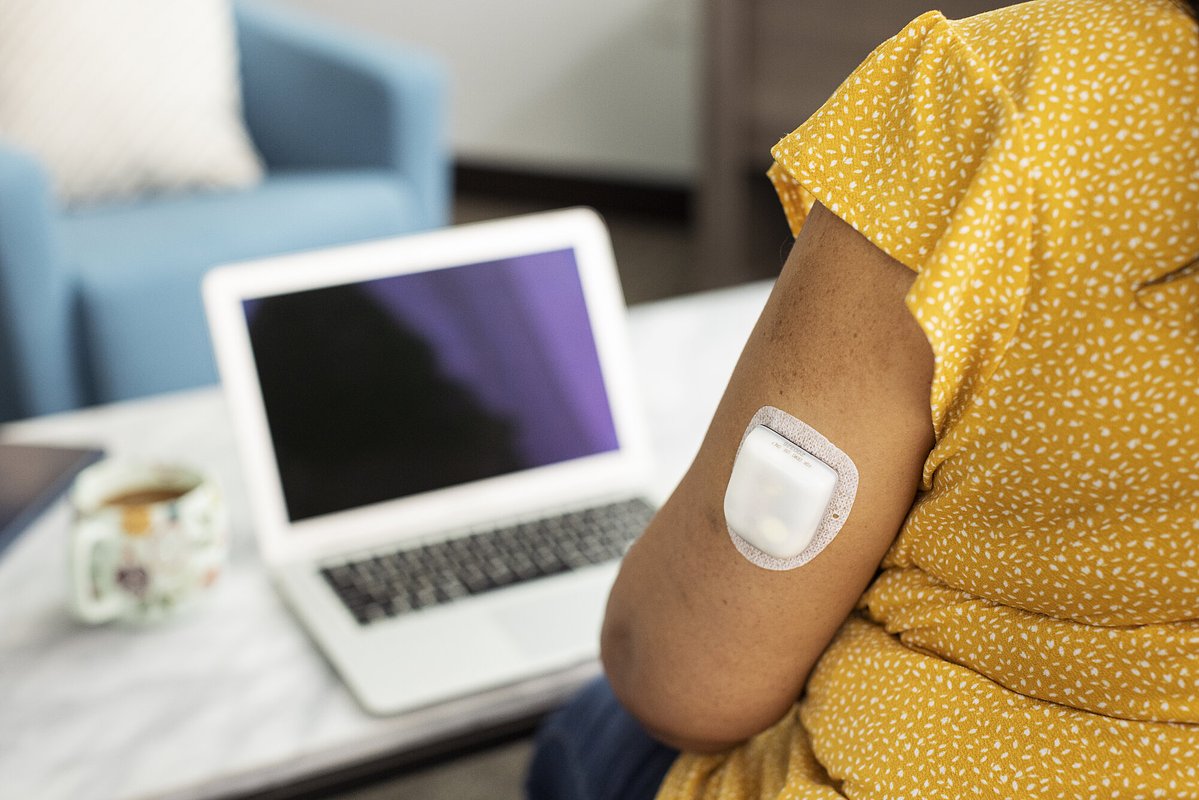
Omnipod 5 Arrives in Middle East to Tackle Diabetes Crisis
ACTON, MA & DUBAI, UAE – February 05, 2026
In a significant move to reshape diabetes care in one of the world's most affected regions, Insulet Corporation has officially launched its Omnipod® 5 Automated Insulin Delivery (AID) System in Saudi Arabia, Kuwait, Qatar, and the United Arab Emirates. The announcement, made at the 16th Emirates Diabetes and Endocrine Congress (EDEC) in Dubai, brings the first tubeless, wearable AID system to a population grappling with soaring diabetes rates and a recognized gap in access to modern medical technology.
Alongside the flagship insulin delivery system, the company also debuted Omnipod Discover™, a new data management platform, choosing the Middle East for its inaugural global launch. This dual rollout underscores a major strategic push by the Massachusetts-based company to address a critical unmet need while solidifying its international footprint.
A Technological Lifeline in a Region of High Need
The Middle East and North Africa (MENA) region is at the epicenter of the global diabetes epidemic. With the highest regional prevalence of diabetes at 17.6%, according to the International Diabetes Federation, the number of people affected is projected to swell to 163 million by 2050. Countries like the UAE, Kuwait, and Saudi Arabia report that up to one in five adults live with the condition, yet access to advanced management tools has lagged.
A multinational survey recently highlighted this "technology gap," revealing that a majority of healthcare providers in the region use insulin pumps and continuous glucose monitors (CGMs) in less than 5% of their patients. The standard of care often remains multiple daily injections (MDI), a burdensome and less precise method.
The Omnipod 5 system is designed to directly challenge this reality. Indicated for individuals aged two and older with type 1 diabetes, it consists of a discreet, waterproof, and wearable Pod that provides up to three days of non-stop insulin. The system communicates with a compatible CGM sensor—either the Abbott FreeStyle Libre 2 Plus or Dexcom G7—to automatically adjust insulin delivery every five minutes. This proactive algorithm helps prevent both high and low blood sugar levels, day and night, significantly reducing the daily burden of diabetes management. Clinical studies have demonstrated its strong glycemic outcomes, including improved time in range and lower HbA1c compared to MDI.
Redefining Management with Data and Discretion
A key differentiator for the Omnipod 5 is its tubeless design, a feature that sets it apart from competitors like Medtronic and Tandem, whose systems rely on infusion sets with tubing. This tubeless form factor offers users unparalleled freedom, discretion, and convenience, eliminating the risk of snagging tubes and simplifying activities like swimming or sports.
Complementing this physical freedom is the launch of Omnipod Discover, a proprietary web-based analytics platform. In a strategic first, Insulet chose the Middle East for the platform's global debut. Omnipod Discover is designed to demystify the vast amounts of data generated by the AID system. It provides users, caregivers, and healthcare providers with an intuitive interface that transforms complex glucose and insulin delivery information into clear trends and actionable insights. By visualizing how the Omnipod 5 algorithm is working, it empowers users to better understand their condition and make more confident management decisions.
This strategic decision to launch a data-centric platform first in this region acknowledges the area's rapidly growing digital health infrastructure and the high mobile penetration in Gulf Cooperation Council (GCC) countries.
A Strategic Push into a Growing Market
The Middle East launch is a calculated step in Insulet’s aggressive global expansion. With Omnipod 5 now available in 19 countries, the company has its sights set on Spain in 2026, followed by Greece and Croatia in 2027. This expansion targets a burgeoning market for insulin delivery devices. The Middle East and Africa insulin pump market alone is projected to grow at a compound annual rate of 15.2%, reflecting both the rising prevalence of diabetes and increasing government initiatives to improve access to advanced care.
The introduction of Omnipod 5 and Discover is poised to capture a significant share of this growth by addressing specific user needs that competitors have not. The combination of a tubeless form factor with a sophisticated, user-friendly data platform creates a compelling value proposition for both new and existing insulin pump users.
From Clinical Data to Personal Freedom
The arrival of this technology is being met with enthusiasm by the regional medical community. "People living with type 1 diabetes in Saudi Arabia and throughout the Middle East are eager for an innovative solution that is Omnipod 5," said Dr. Mohammed Almehthel, Medical Director at King Fahad Medical City in Saudi Arabia. "As our diabetes care standards in the region evolve to embrace advanced technologies that improve outcomes, the introduction of Omnipod 5 represents an important step forward that will transform daily life for many individuals and their families."
Beyond the clinical improvements, the human impact is perhaps the most profound. The system's automation and discretion can restore a sense of normalcy and spontaneity that is often lost to the relentless demands of managing type 1 diabetes.
This sentiment was shared by Khalid Al Shethri, a father in Riyadh, Saudi Arabia, whose nine-year-old daughter Yasmeen recently started using the system. “We’re so happy Yasmeen is beginning her Omnipod 5 journey," he shared. "She’s a lively, brilliant girl, and diabetes has been something she’s had to think about every single day. Now that school is such a big part of her life, it feels like a bit of her childhood is being given back, helping her feel freer and more confident.”
This newfound freedom is particularly relevant in the context of regional cultural practices. Recent studies have confirmed that automated insulin delivery systems are a safe and effective management strategy for people with type 1 diabetes during the prolonged fasting of Ramadan, further underscoring the technology's potential to integrate seamlessly into patients' lives. With this launch, Insulet is not just introducing a medical device, but offering a new paradigm for diabetes management that promises to significantly improve health outcomes and quality of life across the region.
Topics & Related
Medical Devices
Telehealth
Software & SaaS
AI & Machine Learning
Biotechnology
Cloud & Infrastructure
Data & Analytics
Artificial Intelligence
Machine Learning
Generative AI
Cloud Migration
Data-Driven Decision Making
Financial Performance
Related Company Pulse