
- 4.8 TWh of electricity secured: Alcoa’s Lista smelter in Norway for 2028–2031.
- 95,000 metric tonnes capacity: Full restart of Alcoa Lista’s production after partial shutdown.
- 300 direct jobs: Supported by Alcoa Lista, with each role sustaining two additional local jobs.
Experts would likely conclude that Norway’s long-term energy agreements with industry exemplify a strategic model for balancing economic resilience, job security, and decarbonization in a volatile energy landscape.
Norway's Industrial Gambit: Energy Deals as a Blueprint for Resilience
OSLO, NORWAY – June 18, 2026
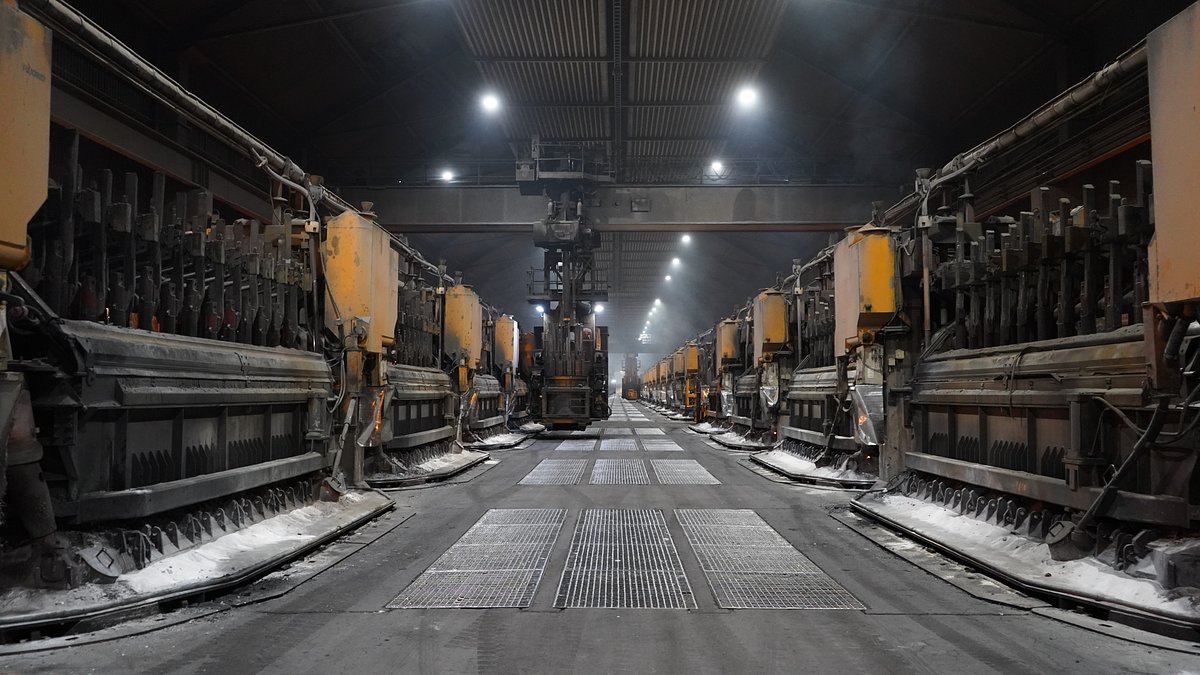
At first glance, the press release is standard corporate fare: Statkraft, Europe's largest renewable energy generator, has signed new power agreements with aluminum giant Alcoa. The deal secures approximately 4.8 TWh of electricity for Alcoa’s Lista smelter in Southern Norway for the period 2028–2031. But to dismiss this as a simple transaction is to miss the far more compelling story unfolding. This agreement isn't just about kilowatts and currency; it’s a critical chapter in the playbook for industrial survival, a case study in how long-term strategy can triumph over market volatility, and a reaffirmation of Norway's unique industrial model.
A Resurgence Forged in Volatility
To understand the significance of this deal, one must rewind to 2022. The European energy crisis, spurred by geopolitical instability, sent electricity spot prices into an uncontrollable spiral. For power-intensive industries like aluminum smelting, it was an existential threat. Alcoa’s Lista plant, exposed to the spot market for a portion of its power, faced an impossible equation. With prices surging past $600 per megawatt-hour, the company made the painful but necessary decision in August 2022 to curtail one-third of its production capacity—shutting down 31,000 metric tonnes of annual output.
This partial shutdown was not a temporary blip; it was a prolonged state of limbo that lasted through 2023 and 2024, casting a shadow over the plant and the community of Farsund that depends on it. Alcoa Lista is a cornerstone company, employing around 300 people directly, with local economic analysis suggesting each of those roles supports two additional jobs in the region. The curtailment was a stark reminder of the fragility of heavy industry in the face of unpredictable energy costs.
This new agreement with Statkraft is the linchpin of the plant’s revival. It provided the certainty needed to restart the idled Production Line 2, bringing the smelter back to its full nameplate capacity of 95,000 metric tonnes. As Tor Arne Berg, Operations Manager at Alcoa Lista, stated, access to stable power is “absolutely essential for taking the next step.” This isn't corporate hyperbole; it is the fundamental requirement that allows a multi-million-dollar industrial asset to move from survival mode to strategic planning, securing hundreds of jobs and stabilizing a key regional economic engine.
The Architecture of Industrial Stability
The Alcoa-Statkraft deal is a microcosm of a much larger national strategy. The press release's mention of “predictable regulatory frameworks” points to the deliberate architecture Norway has built to support its power-intensive sectors. Unlike nations that have allowed their industrial bases to erode, Norway leverages its natural advantage—a power grid almost entirely fueled by hydropower—to create a symbiotic relationship with industry.
This architecture is built on the Power Purchase Agreement (PPA). For companies like Alcoa, a long-term PPA transforms energy from a volatile operational risk into a predictable, manageable cost. It allows for long-term capital planning, investment in efficiency upgrades—like the new pre-heating furnace at Lista designed to curb emissions—and, most importantly, the confidence to keep the potlines running. The Norwegian state further de-risks this ecosystem through bodies like Eksfin (Export Finance Norway), which can offer guarantees to facilitate these crucial long-term contracts.
This model creates a powerful competitive moat. While smelters in other parts of Europe were shutting down permanently due to the energy crisis, Norway’s framework provides a path to resilience. It demonstrates a sophisticated understanding that the true value isn't just in selling power, but in using that power to anchor high-value manufacturing, technological development, and skilled employment on home soil.
Statkraft's Strategic Power Play
Statkraft’s role in this ecosystem transcends that of a mere utility. The company is an active agent of Norway’s industrial policy. The recent agreements with Alcoa are part of a clear and consistent pattern of locking in long-term supply for the nation's industrial backbone. As Statkraft's Executive Vice President for Markets, Hallvard Granheim, noted, the deal is one of several signed with large industrial companies this year, confirming that “the power market is functioning well and that we deliver competitive terms.”
This is a modest description of a powerful strategic position. In April 2026, Statkraft inked massive deals with Hydro Energi AS for 12.3 TWh over ten years. This followed a 2023 deal for another 6.6 TWh over fifteen years. These are not just contracts; they are long-term partnerships that provide Statkraft with stable, predictable revenue streams, allowing it to plan its own investments in generation and grid infrastructure. By securing demand from foundational clients like Alcoa and Hydro, Statkraft solidifies its own market position while simultaneously executing a national industrial mandate.
Furthermore, the company's ambition extends to cultivating future growth. Its “Industry Development” division actively prepares “shovel-ready” greenfield sites for new industrial establishments, bundling access to land, infrastructure, and, critically, the power grid. This proactive approach shows an intent not just to supply existing industry but to attract the next generation of green industrial players to Norway, using its renewable energy surplus as a global competitive advantage.
A Blueprint for a Decarbonizing World
Ultimately, the Statkraft-Alcoa agreement offers a compelling blueprint for how to reconcile industrial policy with decarbonization. The 4.8 TWh of power destined for Lista is overwhelmingly renewable, allowing Alcoa to produce some of the lowest-carbon aluminum in the world. This aligns perfectly with Alcoa's own global ambitions to advance technologies like its carbon-free ELYSIS™ smelting process.
For leaders and policymakers globally, the lesson from Norway is clear: industrial resilience and green transition are not mutually exclusive goals. By strategically linking abundant renewable energy resources with power-intensive industries through predictable, long-term frameworks, a nation can protect its manufacturing base, secure high-value jobs, and accelerate its decarbonization journey. This deal is more than a signature on a page; it is a tangible demonstration of a resilient, efficient, and human-centered strategy that builds lasting value far beyond the bottom line.