
- 75% tuition reduction: Learning Care Group offers a 75% tuition reduction for up to five weeks to eligible families awaiting state subsidy approvals.
- $20,000 annually: The average cost of infant care in New Jersey, making subsidies a necessity for low-income families.
- $3.6 billion annually: The estimated economic toll of unstable childcare in New Jersey due to lost earnings, productivity, and tax revenue.
Experts agree that while private-sector initiatives like Learning Care Group's tuition reduction provide critical immediate relief, they underscore the urgent need for a robust, consistently funded public childcare system to ensure long-term stability and economic benefits.
NJ Childcare Crisis: One Firm's Answer to the Subsidy Gap
HOLMDEL, NJ – April 30, 2026 – As New Jersey families begin navigating the recently reopened Child Care Assistance Program (CCAP) after an arduous eight-month freeze, one of the nation's largest private childcare providers is stepping in to bridge a critical financial gap. Learning Care Group announced it will offer a 75% tuition reduction for up to five weeks to eligible families awaiting their state subsidy approvals, a move designed to get children into classrooms and parents back to work without delay.
The initiative comes just weeks after the state fully restored access to the vital subsidy program, which had been frozen to new applicants since August 2025 due to funding constraints. The freeze left thousands of low-income working families in a state of uncertainty, struggling to afford care that often rivals the cost of a mortgage payment in the Garden State.
"Reliable care isn't a luxury — it's what makes everything else possible," said John Bork, Chief Executive Officer of Learning Care. "In New Jersey, we're opening new schools, cutting costs for families on subsidy waitlists, and making sure every parent can get to work and every child has the chance to fall in love with learning."
The Human Cost of a System Under Strain
The eight-month freeze on CCAP applications had a profound and immediate impact on New Jersey's most vulnerable residents. With the average cost of infant care in the state hovering around $20,000 annually, the subsidy is not a convenience but a necessity for families to remain in the workforce. Advocacy groups like Advocates for Children of New Jersey (ACNJ) warned that the freeze would force parents, predominantly women, to reduce their hours or leave their jobs entirely.
Reports from across the state painted a grim picture. A single mother in Newark, who wished to remain anonymous, shared that a small pay raise at her job made her ineligible for other aid, and without CCAP, she was forced to choose between her job and caring for her toddler. The stress on families was immense, impacting not only their financial stability but also their mental well-being.
Childcare providers also felt the strain. Many centers that rely on CCAP to serve their communities faced catastrophic drops in enrollment and revenue, threatening their ability to keep their doors open. The freeze highlighted the fragility of a childcare ecosystem that is chronically underfunded and undervalued, despite its crucial role in the economy.
Even with the program now reopened, families face a processing period that can take up to 30 days after a complete application is submitted. For a parent who needs to work, that month-long gap can be an insurmountable barrier, a period during which they could lose a job offer or fall behind on essential bills.
A Private Sector Solution to a Public Problem
It is this critical waiting period that Learning Care Group's initiative directly addresses. The company, which operates 20 centers in New Jersey under well-known brands such as Everbrook Academy, La Petite Academy, and Tutor Time, is leveraging its significant market presence to provide immediate relief. The 75% tuition reduction effectively mimics the subsidy, allowing a child to start school immediately while their family's CCAP paperwork is processed by the state.
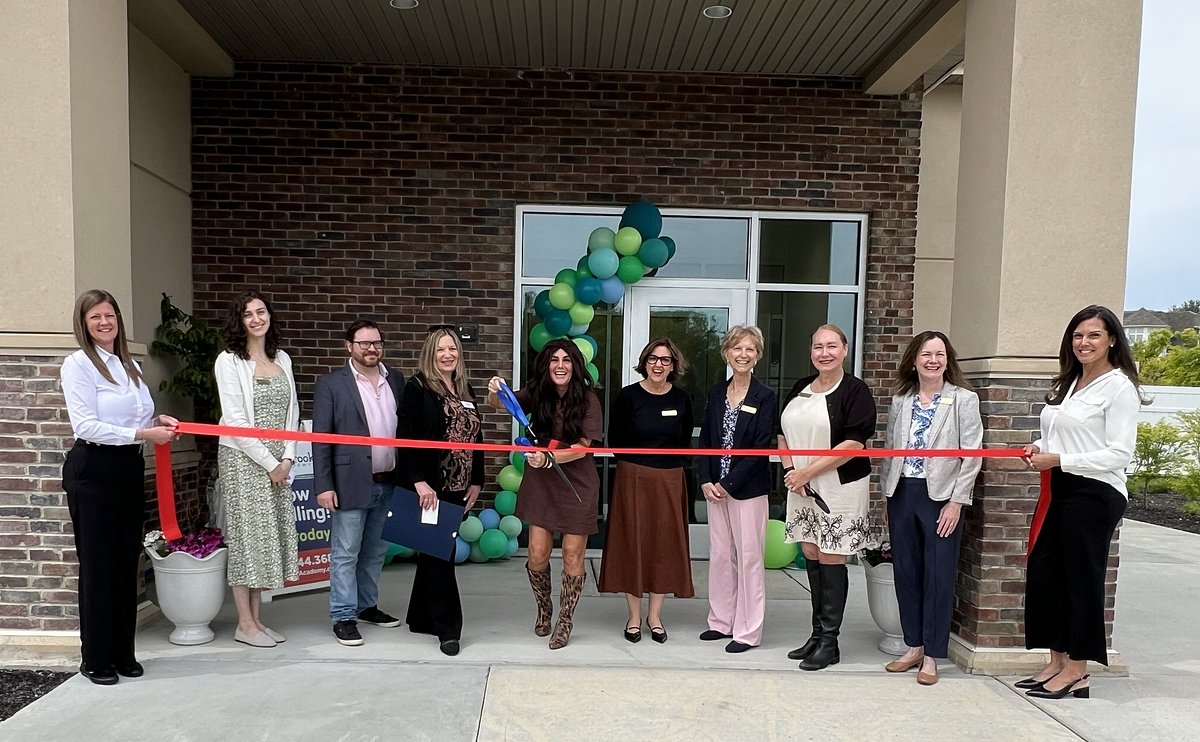
This move is part of a broader strategy of investment and expansion for the company in New Jersey. The announcement coincides with the recent ribbon-cutting of a new Everbrook Academy in Holmdel on April 28, with plans for four additional centers across the state in the coming years. By stepping in, the company not only provides a community service but also secures enrollment at its centers, demonstrating a model where corporate action and business interests can align with public need.
This initiative serves as a case study in the evolving landscape of social services, where private sector entities are increasingly filling gaps left by strained or slow-moving public programs. While advocacy groups welcome the immediate relief, they also caution that such private-sector actions, while helpful, cannot replace the need for robust, consistent, and adequately funded public systems.
The Broader Economic Ripple Effect
The consequences of unstable childcare extend far beyond individual households, creating significant ripples across the entire economy. According to a 2026 report from the business leader group ReadyNation, inadequate childcare costs the U.S. economy an astounding $172 billion annually in lost earnings, productivity, and tax revenue. For New Jersey specifically, that economic toll is estimated at $3.6 billion each year.
These are not abstract numbers. They represent parents missing work, being distracted on the job, or turning down promotions due to unreliable care. They represent businesses struggling with higher absenteeism and employee turnover, leading to increased recruitment and training costs. As the press release noted, child care-related absenteeism and turnover already cost employers billions annually.
By ensuring continuity of care, the provider argues it is supporting the state's economic engine. "Keeping kids in care keeps families working and keeps the economy moving," Bork stated. This perspective reframes childcare from a personal family responsibility to a piece of critical public infrastructure, as essential to a functioning economy as roads and bridges.
Every Day Counts: The Developmental Stakes
Beyond the immediate economic and family benefits, ensuring consistent access to care is paramount for child development. The first five years of life are the most rapid period of brain development, where foundational neural connections are formed that support all future learning. High-quality early childhood education provides more than just a safe place for children to be while their parents work; it builds the cognitive, social, and emotional skills that are critical for school readiness and long-term success.
When a child loses their spot in a care center due to cost or a program freeze, the disruption can have lasting consequences. It interrupts their routine, their relationships with caregivers and peers, and their learning trajectory. The stability and enrichment provided by a consistent, high-quality early learning environment are non-negotiable for optimal development.
As New Jersey works to clear its backlog of CCAP applications and stabilize its childcare system, the actions of providers like Learning Care Group underscore the urgency of the situation. For thousands of families and the state's youngest learners, every single day of access to care and education truly counts. The initiative provides a crucial, if temporary, lifeline while the state's public infrastructure gets back on its feet.