
- 100% Match Rate: BayCare filled all its residency positions for the second consecutive year, a rare achievement in medical training programs.
- 400+ Residents: The program will grow to over 400 residents by July 2026, nearly doubling in size.
- 18,000 Physician Shortfall: Florida faces a projected shortfall of nearly 18,000 physicians by 2035 due to rapid population growth.
Experts agree that BayCare's expansion of its Graduate Medical Education program is a critical step in addressing Florida's physician shortage, leveraging local training to build a sustainable healthcare workforce.
BayCare's GME Growth: A Cure for Florida's Doctor Shortage
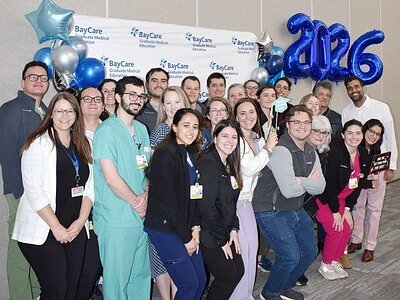
CLEARWATER, FL – March 26, 2026 – As thousands of medical school graduates across the nation discovered their professional futures on Match Day, BayCare Health System announced a landmark success: for the second straight year, it filled 100% of its residency positions. This achievement isn't just a win for the academic health system; it's a critical development in West Central Florida's escalating battle against a severe physician shortage.
The successful match on March 20 will nearly double the size of BayCare's Graduate Medical Education (GME) program. This July, 194 new resident physicians will begin their training, swelling the program's ranks to over 400. This rapid expansion is a direct response to the immense pressure on Florida's healthcare infrastructure, a state grappling with explosive population growth and a projected shortfall of nearly 18,000 physicians by 2035.
A Critical Lifeline for a Growing State
Florida's sun-drenched coasts and vibrant communities are attracting new residents at a historic pace. The state's population is projected to swell by nearly 4 million people between 2022 and 2036, a rate far outstripping the national average. This demographic boom, however, carries a significant challenge: a parallel boom in the demand for healthcare that the current supply of physicians cannot meet.
The problem is particularly acute due to the state's "Aging Multiplier." As a premier retirement destination, Florida's population of residents aged 75 and older is expected to jump by a staggering 64% by 2037. This demographic requires significantly more medical attention, with patients over 65 averaging three times more primary care visits than younger individuals and often managing multiple chronic conditions. The result is a healthcare system under unprecedented strain, with longer wait times and reduced access to care becoming the norm.
Against this backdrop, BayCare's GME expansion emerges as a crucial regional strategy. The influx of new doctors-in-training, specializing in fields from internal and family medicine to pediatrics and psychiatry, provides an immediate boost to clinical capacity and a long-term solution to the workforce gap. By cultivating talent locally, the system is building a sustainable pipeline of physicians prepared to serve the unique needs of the Tampa Bay and Central Florida communities.
Building Florida's Medical Future
The most effective strategy for solving a local physician shortage is to "grow your own." National data from the Association of American Medical Colleges (AAMC) shows a strong correlation between where a physician trains and where they ultimately practice. In Florida, the trend is even more pronounced: nearly 67% of doctors who complete their residency in the state choose to stay and practice there. This figure climbs to 75% for physicians who completed both medical school and residency in Florida.
BayCare's model is a powerful case study in this strategy. "On average, more than 60% of our program graduates who do not pursue further training stay with us and begin practicing in BayCare Medical Group clinics and hospitals," stated Chief Physician Executive Dr. Sowmya Viswanathan. This high retention rate means the health system's investment in education translates directly into more available doctors for patients in the region.
The system's ambitious goal to expand its GME program to more than 650 residents by 2029 signals a deep, long-term commitment. This isn't merely an academic exercise; it's a calculated investment in the region's healthcare infrastructure. By training hundreds of physicians annually, BayCare is not only staffing its own 16 hospitals and extensive network of clinics but also contributing a vital resource to the entire regional ecosystem. Notably, many of the incoming residents are either native Floridians or graduates of medical schools within the state, further increasing the likelihood they will establish permanent roots in the community.
A Magnet for Medical Talent
Achieving a 100% fill rate on Match Day is a significant accomplishment that many residency programs strive for but few achieve, let alone for two consecutive years. This perfect match rate underscores the high desirability of BayCare's program among the nation's top medical graduates.
So what makes it a top choice? According to Dr. Viswanathan, the appeal is multifaceted. "Achieving a 100% match speaks to the quality of BayCare's Graduate Medical Education program," she explained. "Prospective residents are drawn to the exceptional physicians who teach here and the depth and breadth of experience they will gain from working within West Central Florida's largest integrated health system."
Residents are not just entering a classroom; they are stepping into a vast and diverse clinical environment. BayCare's network includes a dedicated children's hospital, extensive behavioral health services, and a wide array of specialty centers. This provides trainees with exposure to a wide spectrum of patient populations and complex medical cases, accelerating their development into competent, well-rounded physicians. The program currently offers 14 distinct residency programs, including high-demand specialties like emergency medicine, general surgery, and obstetrics and gynecology, providing a comprehensive training platform.
The Regional Race to Staff Hospitals
BayCare's rapid expansion is occurring within a dynamic and competitive landscape. Across Florida, major health systems are racing to scale up their own GME programs to address the statewide workforce crisis. Institutions like AdventHealth, HCA Florida in partnership with the University of Central Florida, and the University of South Florida's USF Health are all major players, each training hundreds of residents annually.
This competitive environment for attracting top medical talent ultimately benefits the state. It fosters innovation in medical education and pushes institutions to offer high-quality training environments. The collective effort is bolstered by state-level initiatives, such as the "Slots for Doctors Program," which provides funding to create new residency positions in specialties facing the most severe shortages.
By nearly doubling its program and setting a course for 650 residents, BayCare is not just keeping pace; it is establishing itself as one of the fastest-growing and most significant physician training hubs in the nation. This expansion is more than just a number—it represents a future where more Floridians can access the high-quality, compassionate care they need, right in their own community. The new doctors arriving in July are the leading edge of a new generation of healthcare professionals dedicated to securing the health of West Central Florida for years to come.
Topics & Related
Medical Devices
Hospitals & Health Systems
ESG
Remote & Hybrid Work
Trade Wars & Tariffs
Revenue
Related Company Pulse