
- 3.5 million people in Africa are estimated to live with psoriasis, though experts believe this is a significant underestimation.
- Only one dermatologist per million people in Africa, compared to 36 per million in the U.S. and 65 per million in Germany.
- Individuals with psoriasis are more than twice as likely to experience serious psychological distress.
Experts agree that psoriasis in Africa is a severely underrecognized public health crisis requiring urgent action to improve diagnosis, treatment access, and social support for millions affected by the disease.
Africa's Silent Epidemic: Landmark Summit to Tackle Psoriasis Crisis
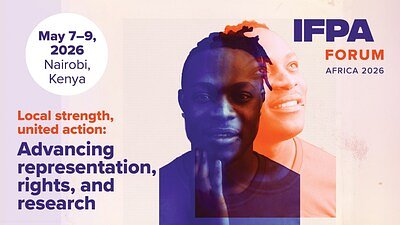
STOCKHOLM – March 30, 2026 – A chronic, debilitating disease affecting millions across Africa is finally set to receive global attention as the International Federation of Psoriasis Associations (IFPA) convenes the first-ever regional summit dedicated to psoriasis on the continent. The event, IFPA Forum Africa 2026, will take place in Nairobi, Kenya, from May 7-9, marking a pivotal moment for one of Africa's most underrecognized public health challenges.
The forum, themed “Local Strength, United Action,” aims to bring together policymakers, clinicians, researchers, and patient advocates to confront a crisis that has long festered in the shadows, leaving a trail of physical pain, social stigma, and economic ruin.
The Hidden Burden: A Continent in Pain
Psoriasis is far more than a simple skin condition. It is a chronic, incurable non-communicable disease (NCD) that can cause severe pain, disability, and is systemically linked to other serious health conditions like diabetes, cardiovascular disease, obesity, and depression. Yet, for the estimated 3.5 million people living with the disease in Africa, the diagnosis often comes with a dual burden: the physical ailment and the profound social isolation it causes.
Experts warn the 3.5 million figure is likely a significant underestimation. According to the Global Psoriasis Atlas, comprehensive epidemiological data is scarce, and reported prevalence in some parts of Africa is as low as 0.06%, a figure that reflects widespread underdiagnosis rather than a low disease rate. In contrast, studies in East African nations have shown prevalence rates as high as 3.5%. This data gap obscures the true scale of the crisis and hinders the development of effective public health responses.
The visible nature of psoriasis frequently leads to devastating stigma and discrimination. Patients are often ostracized, impacting their mental health, education, and employment opportunities. Research indicates that individuals with psoriasis are more than twice as likely to experience serious psychological distress.
Pierre Celestin Habiyaremye, President of PsorAfrica and Founder of the Rwanda Psoriasis and Psoriatic Arthritis Organization, spoke to the deep impact of this lack of awareness. "Whether in the rural areas or in the cities, people in Africa do not know enough about psoriasis. And it affects my life," he said. "The cost, the worry, the impact on my life choices and social relationships. At the Forum, we are gathering experts who understand this disease and stand up for a better future. Africa is prioritizing health, and we will be a part of building solutions."
A System Under Strain: The Healthcare Gap
The struggle for patients is compounded by a healthcare system ill-equipped to manage the disease. Access to specialized care is virtually nonexistent for a vast portion of the population. Across Africa, there is approximately one dermatologist for every million people—a stark contrast to the 36 per million in the United States and 65 per million in Germany. This extreme shortage leads to frequent misdiagnosis by general practitioners and long delays in receiving appropriate care.
Even when a diagnosis is made, treatment remains out of reach for many. With most healthcare costs paid out-of-pocket, the high price of medication and long-term management can be financially crippling. For countless families, a psoriasis diagnosis becomes a direct pathway into poverty, forcing them to choose between essential needs and medical care.
This gap in care has created a vicious cycle of suffering and economic hardship, highlighting a critical failure in health equity that the IFPA Forum aims to address head-on.
"Local Strength, United Action": A Roadmap for Change
The Nairobi summit is designed to be more than just a discussion; it is intended to create a concrete roadmap for transforming psoriasis care across the continent. The forum will focus on three urgent priorities: generating local research data, ensuring patient representation in healthcare decisions, and integrating psoriasis into national NCD strategies to improve rights and access to treatment.
Frida Dunger, Executive Director of IFPA, emphasized the non-negotiable need for action. "Psoriasis is a public health challenge. Addressing it is not optional — it is part of building resilient, equitable health systems," she stated. "Every year, IFPA Forum puts focus on a region at a time, bringing together local stakeholders to inspire advocacy efforts and call for united action on psoriasis. This year, we bring the Forum to Africa, and we believe the timing is right. By listening to local patient organizations and developing a roadmap for tackling psoriasis in Africa together, we can ensure that millions of people living with psoriasis are finally seen, heard, and supported."
Adding a prominent local voice to the event, renowned Kenyan media professional and social change advocate Janet Mbugua will host the forum. "I'm truly honored to host the IFPA Forum Africa," Mbugua said. "Psoriasis affects millions of people, yet it's still not spoken about enough. This is an opportunity to bring those stories to the forefront, shed light on the real challenges people are facing, and support the work being done locally to strengthen care, research, and policy across the continent."
Forging a New Path: Policy, Partnerships, and Hope
The momentum from the IFPA Forum could catalyze a broader shift in how NCDs are handled in Africa. Advocacy groups are increasingly pushing for the integration of NCD care within larger global health funding mechanisms, such as The Global Fund to Fight AIDS, Tuberculosis and Malaria. Given the established links between psoriasis and other comorbidities, integrating its care into existing health systems is not just logical but essential for holistic patient health.
The success of this initiative will hinge on empowering local organizations like PsorAfrica, which are on the front lines of patient support and policy advocacy. By fostering collaboration between these grassroots movements, international bodies like IFPA and WHO, and national governments, the forum seeks to build a sustainable framework for change.
This landmark event represents a critical investment in public health, economic stability, and human dignity. For the millions of Africans living with the hidden burden of psoriasis, the Nairobi summit offers a powerful beacon of hope—a sign that their silent struggle is finally being heard on the global stage and that united action can pave the way for a healthier, more equitable future.