
- 95 strategic sites equipped with AI analytics platform by Derq.
- Over 1 million visitors expected during the 2026 FIFA World Cup in New Jersey.
- Multi-billion dollar capital program with hundreds of millions earmarked for highway congestion relief.
Experts would likely conclude that New Jersey's AI-driven traffic management system represents a significant step forward in urban mobility, with the potential to create lasting improvements in safety and efficiency beyond the World Cup.
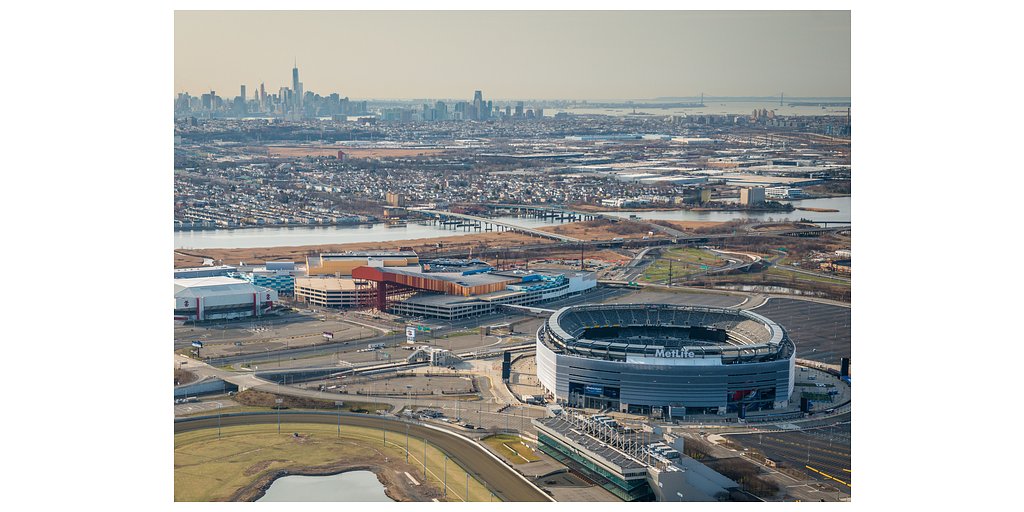
New Jersey's World Cup Gambit: AI on the Asphalt to Tame Traffic Chaos
DETROIT, MI – June 03, 2026
The roar of a global sporting event is often preceded by the groan of strained infrastructure. With the 2026 FIFA World Cup championship descending upon MetLife Stadium, New Jersey is bracing for an unprecedented test of its roadways. The prospect of over a million visitors flooding the already congested corridors of the Meadowlands has forced a high-stakes play from the New Jersey Department of Transportation (NJDOT). The state isn't just repaving roads; it's installing a new digital nervous system, powered by artificial intelligence, in a bid to outsmart the impending gridlock.
At the heart of this strategy is Derq, an MIT spinoff deploying its AI analytics platform across 95 strategic sites. This isn't merely about managing traffic for a month-long tournament. It's a critical assessment of whether a massive, event-driven investment can catalyze a permanent evolution in urban mobility, delivering a resilient and efficient system long after the final whistle blows.
The AI on the Asphalt: Decoding Derq's Digital Eyes
For years, traffic management has been a largely reactive discipline. A crash happens, cameras spot the backup, and response teams are dispatched. The Derq system, integrated into NJDOT’s Advanced Traffic Management System (ATMS), aims to flip that script. By processing real-time video feeds from existing roadway cameras, the AI platform acts as a thousand tireless observers, trained to see what the human eye might miss.
The system's capabilities go far beyond simple vehicle counting. It is engineered to provide immediate alerts for critical safety events: the sudden stop-and-start of a crash, the terrifying sight of a wrong-way driver, a pedestrian straying onto a highway, or even the thermal signature of a vehicle fire. This data isn't just logged; it's instantly fed to traffic management centers, enabling operators to make proactive decisions—rerouting traffic, dispatching emergency services faster, and warning other drivers before they enter a hazard zone.
This deployment represents a significant operational shift. Instead of waiting for a 911 call, NJDOT operators will be armed with continuous insights that allow them to anticipate and mitigate risks. “Major events like the World Cup require transportation agencies to anticipate risks, adapt to changing conditions and operate more proactively,” noted Dr. Georges Aoude, Co-Founder and CEO of Derq. This proactive stance is the core value proposition, turning a passive monitoring network into an active safety and traffic flow management tool.
The Tournament Catalyst: Big Events as Urban Accelerants
Global mega-events like the World Cup and the Olympics have a long history of acting as powerful catalysts for urban transformation. They create an immovable deadline and a compelling public narrative that can push complex, expensive infrastructure projects across the finish line. New Jersey’s ITS upgrade is a textbook example of this phenomenon. The looming influx of over a million fans provided the political will and operational urgency to greenlight an advanced technology deployment that might have otherwise spent years in planning committees.
The project is a key part of NJDOT's multi-billion dollar capital program, with hundreds of millions specifically earmarked for alleviating highway congestion. While the World Cup is the immediate driver, the investment is framed within a much larger strategic context. By leveraging the tournament's deadline, the state is accelerating its own long-term goals for creating a smarter, safer transportation network. This approach treats the event not as the end goal, but as a critical milestone in a larger journey of modernization.
The implementation itself is a complex dance of public-private partnership, a model becoming standard for such large-scale transformations. With Michael Baker International specifying the project's needs, HNTB leading the intricate implementation, and regional partners like SCP Signal Control Products ensuring local integration, the project highlights the collaborative effort required to build a truly intelligent city. It’s a playbook other cities will be watching closely as they weigh how to leverage their own moments on the world stage to drive lasting urban innovation.
Beyond the Final Whistle: A Lasting Legacy
The most critical question for New Jersey taxpayers is what happens on July 20, 2026, after the fans have gone home and the temporary construction embargo is lifted. Is this sophisticated AI network a permanent asset or a costly gadget for a one-time party? NJDOT's strategic planning documents suggest the former. This initiative aligns directly with the state's ambitious, long-range transportation plans, such as "Keep It Moving! NJ 2050" and its "Vision Zero" goal to eliminate all traffic fatalities and serious injuries by 2040.
The real-time safety analytics provided by Derq's system are a direct technological answer to the core objectives of the Vision Zero initiative. By detecting and enabling a faster response to crashes, wrong-way drivers, and pedestrian intrusions, the system provides a quantifiable tool to reduce the severity and frequency of accidents. For the daily commuter in the Meadowlands area—a region notorious for its complex interchanges and event-driven bottlenecks—the legacy of this World Cup investment could translate into safer journeys and more predictable travel times.
Ultimately, this deployment is a real-world test case for the practical application of AI in public infrastructure. The success of the 95-site network will be measured not just by how smoothly traffic flows during the World Cup, but by its performance in the months and years that follow. It will be judged by its ability to reduce secondary crashes, improve emergency response times, and provide planners with the rich data needed to design the next generation of safer, more efficient roadways for everyone.