
- 20,000 downloads: The app has been downloaded over 20,000 times since its launch.
- 10% adherence rate: Only 10% of patients maintain traditional food journaling, per Dr. Eskander.
- $100B market: The GLP-1 receptor agonist market is projected to surpass $100 billion by the early 2030s.
Experts would likely conclude that Caloria offers a medically grounded, AI-driven solution to address the nutritional challenges of GLP-1 users and other metabolic conditions, though its effectiveness depends on refining AI accuracy and expanding its food database.
New AI App from Top Doctor Redefines Nutrition for the GLP-1 Era
LOS ANGELES, CA – January 26, 2026 – As millions adopt GLP-1 medications like Ozempic and Wegovy for weight management, a new class of health challenges is emerging, centered not on losing weight, but on doing so healthily. Addressing this gap, a new AI-powered nutrition app, Caloria, has launched with a clear mission: to shift the focus from simple calorie counting to comprehensive metabolic health, guided by the expertise of a practicing endocrinologist.
Developed by Dr. Eiriny Eskander, a double board-certified physician in endocrinology and internal medicine, Caloria offers a starkly different approach in a saturated market of wellness apps. Instead of promoting aggressive weight loss, the app is designed to foster a deeper understanding of how food impacts the body, particularly for individuals navigating complex metabolic states like GLP-1 medication use, Polycystic Ovary Syndrome (PCOS), diabetes, and menopause.
A Doctor's Solution to a Clinical Problem
The inspiration for Caloria came not from a boardroom, but from the clinic. Dr. Eskander, with training from top-tier institutions including Baylor College of Medicine, Cedars-Sinai, and UCLA, repeatedly encountered a frustrating reality: the tools she had to help her patients manage their nutrition were failing them. Traditional food journaling, which often requires meticulous weighing, measuring, and manual data entry, proved unsustainable for the vast majority of people.
"Only about 10% of my patients are able to maintain traditional food journaling," Dr. Eskander states in the company's launch materials. "People are being told to track everything perfectly at a time when their lives are already overwhelming. Caloria was created to turn the light on for nutrition—without shame, obsession, or diet culture."
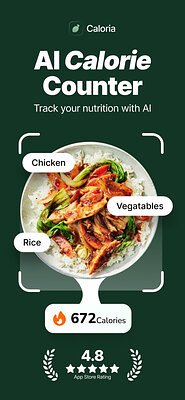
This clinical frustration is the bedrock of the app's design. It aims to remove the primary barriers to consistent tracking by leveraging artificial intelligence. Users simply take a photo of their meal, and the app’s AI analyzes the image to identify the food and estimate its nutritional content, including calories and macronutrients. This low-friction method is intended to make nutritional awareness an accessible, daily habit rather than a burdensome chore.
Navigating Nutrition in the GLP-1 Era
The timing of Caloria's launch is particularly significant. The explosion of GLP-1 receptor agonists, a market projected to surpass $100 billion by the early 2030s, has created an urgent need for specialized nutritional guidance. These powerful medications work by suppressing appetite and slowing digestion, leading to effective weight loss. However, this same mechanism presents unique risks.
The dramatic reduction in appetite can make it difficult for users to consume adequate nutrients, especially protein. Without sufficient protein intake and resistance exercise, rapid weight loss can lead to significant muscle wasting, which harms long-term metabolic health and increases the risk of weight regain. Furthermore, common side effects like nausea can complicate eating, raising the risk of nutrient deficiencies.
This is where Caloria aims to distinguish itself from conventional weight-loss apps like MyFitnessPal or Lose It!, which often prioritize a simple caloric deficit. Caloria's physician-designed insights guide users to focus on metrics crucial for metabolic health. The app helps individuals monitor whether their intake supports muscle preservation, blood sugar balance, and insulin sensitivity—factors far more indicative of long-term well-being than a number on a scale.
"There's so much more to health than the number on the scale," Dr. Eskander emphasizes. "Muscle mass, insulin sensitivity, cholesterol, blood sugar, and long-term metabolic stability all matter. Caloria helps individuals understand where they are right now, which is the first step towards lasting change."
This focus extends beyond GLP-1 users. The app is also tailored for individuals with PCOS and those in perimenopause or menopause. These groups often struggle with insulin resistance, hormonal fluctuations, and changes in body composition that are not adequately addressed by one-size-fits-all diet plans. By providing insights grounded in endocrinology, Caloria offers a more nuanced tool for managing these complex conditions.
The Promise and Perils of AI-Powered Tracking
At the heart of Caloria's user-friendly approach is its AI-powered photo recognition technology. The concept is simple and powerful: snap a photo, and the tedious work of logging is done for you. This feature directly tackles the adherence problem Dr. Eskander identified in her practice. While the technology has advanced significantly, it is not without its limitations.
AI food recognition systems, trained on vast datasets of images, have become remarkably adept at identifying common foods. However, their accuracy can be affected by numerous variables. Complex, mixed dishes, unconventional plating, poor lighting, and unusual camera angles can all challenge the AI. Estimating portion sizes from a 2D image remains one of the most significant hurdles for all apps in this category.
Competitors like Foodvisor offer similar AI photo-logging, while others like Nutrisense and Zoe provide deep metabolic data through continuous glucose monitors (CGMs) and at-home testing, typically at a much higher price point. Caloria positions itself in a unique middle ground: more accessible and less invasive than CGM-based systems, yet more medically sophisticated and targeted than traditional trackers.
Early user reviews suggest that while the AI isn't perfect and sometimes requires manual correction, its convenience is a game-changer for consistency. The app's value appears to lie less in providing a flawless, to-the-gram accounting and more in fostering consistent awareness of dietary patterns, which is the crucial first step in making meaningful change.
Early Reception and the Road Ahead
Since its quiet rollout, Caloria has already been downloaded over 20,000 times, signaling strong initial interest from users seeking a smarter approach to nutrition. Feedback from early adopters, particularly those in the app's target demographics, has been largely positive, with many praising the convenience of photo-logging and the relief of using a tool that doesn't fixate on weight alone.
As with any new technology, users have also identified areas for improvement, such as expanding the food database and refining recognition accuracy—feedback that aligns with the inherent challenges of AI in this space. The company has stated that future updates are planned to expand its AI capabilities significantly, incorporating personalized guidance, deeper metabolic context, and coaching features based on Dr. Eskander's clinical methodology.
By grounding cutting-edge AI in established medical science, Caloria is not just launching another app; it is proposing a new framework for how technology can support sustainable health. It extends a physician's evidence-based approach beyond the clinic walls, empowering a wider audience to protect their metabolism and pursue well-being in a more informed and sustainable way.