
- Arizona ranks 42nd out of 50 states in primary care physicians per capita, meeting just over a third of its population's needs.
- Nearly one in five ER visits are for conditions manageable by primary care providers (CDC).
- MY DR NOW aims to become the nation's largest independently owned primary care group by the end of 2027.
Experts would likely conclude that MY DR NOW’s model represents a bold, market-driven attempt to address systemic primary care shortages, though its long-term success hinges on maintaining quality and scalability amid workforce challenges.
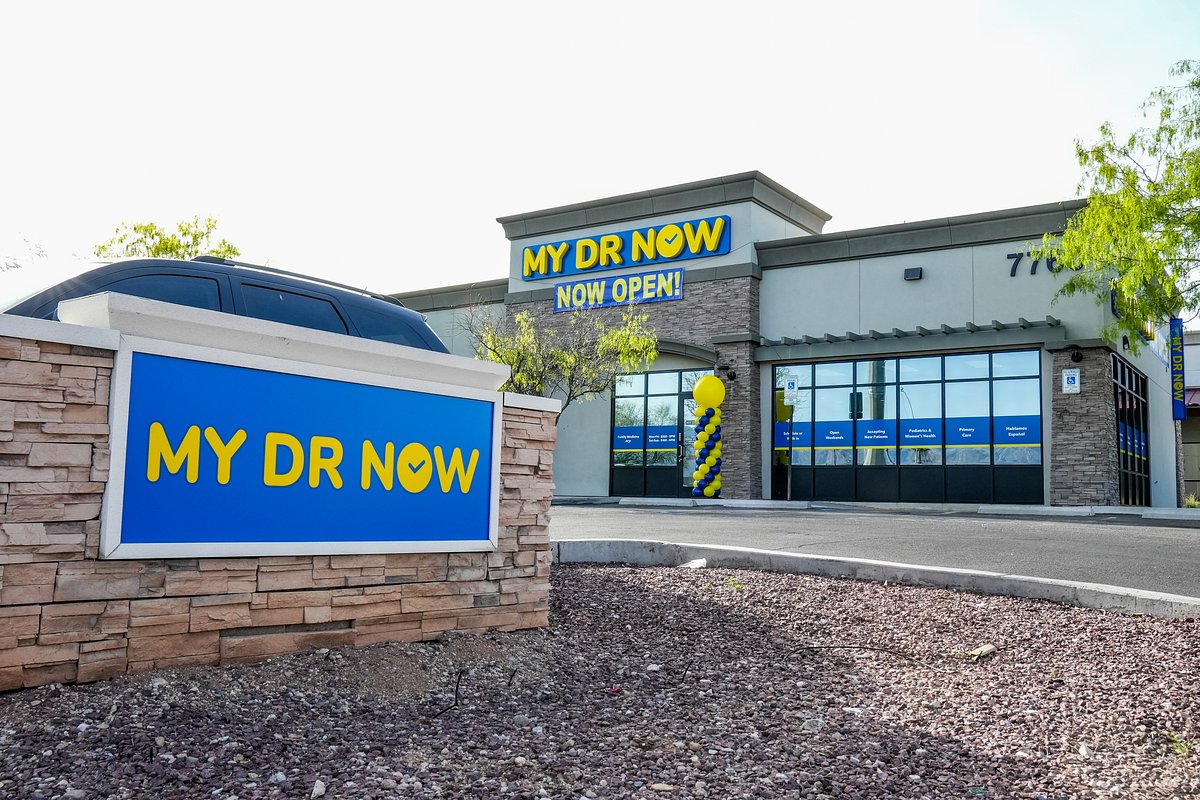
MY DR NOW’s Prescription for a Broken System: Access and Ambition
PHOENIX, AZ – June 11, 2026 – On Monday, a new clinic will open in a Safeway shopping center at the corner of 7th Street and Glendale Avenue. On the surface, it’s a routine corporate expansion. But the opening of MY DR NOW’s tenth Phoenix location is anything but routine. It is a meticulously placed pin on a map riddled with healthcare deserts, a calculated response to a systemic failure, and a bold declaration of intent from a company betting it has the cure for what ails American primary care.
Beneath the fluorescent lights and the promise of same-day appointments lies a deeper story—one about reading the vital signs of a community and scaling a business model designed to thrive where traditional healthcare has faltered. This isn't just about one more clinic; it's about an audacious plan to rewire the relationship between patients, doctors, and the clock.
A Calculated Strike in a Care Desert
The choice of North Central Phoenix is no accident. The area, along with neighboring Sunnyslope, is a microcosm of a statewide and national crisis. Arizona ranks a dismal 42nd out of 50 states in primary care physicians per capita, meeting just over a third of its population's needs, according to the University of Arizona's Center for Rural Health. The federal government has officially designated multiple parts of Maricopa County as "Primary Care Health Professional Shortage Areas," a clinical diagnosis for communities left behind.
For families here, this data isn't an abstraction. It’s the multi-week wait for a check-up, the struggle to find a family doctor accepting new patients, and the costly, time-consuming default trip to the emergency room for a child's fever or a minor illness. National data from the CDC shows that nearly one in five ER visits are for conditions that could be managed by a primary care provider, clogging a critical system with non-urgent needs.
MY DR NOW’s strategy is a direct countermeasure. By offering services from 8 a.m. to 8 p.m. on weekdays and 8 a.m. to 4 p.m. on weekends, the company is explicitly targeting the "banker's hours" model that forces working families to choose between a paycheck and a doctor's visit. "Phoenix families have told us loud and clear that they want a primary care doctor who's actually there when they need one," stated Dr. Payam Zamani, the company's founder and CEO, in a press release. This isn't just a customer service platitude; it's the central pillar of a business model built on accessibility. Evidence supports the approach: a 2016 study in PLOS Medicine found that clinics offering seven-day extended access saw patient-initiated ER visits for minor issues drop by over 26%. The new clinic is, therefore, a targeted intervention, applying a data-proven solution to a well-documented problem.
The Omnichannel Blueprint for Disruption
Since its founding in 2007, MY DR NOW has been building what it calls an "omnichannel" model of care, a term more common in retail than in medicine. The concept is to meet patients wherever they are: through scheduled appointments, walk-in visits, virtual telehealth consultations, and even in-home services. This hybrid approach dismantles the traditional, rigid structure of primary care, replacing it with a fluid, consumer-centric system that prioritizes convenience.
This model is the engine of the company's aggressive expansion. With over 78 locations already operating across Arizona and Texas, the Phoenix-based organization has set its sights on becoming the nation's largest independently owned primary care group by the end of 2027. This ambition—to scale rapidly while resisting acquisition by large hospital systems or private equity—is a significant signal. It suggests a deep-seated confidence in the financial viability and long-term sustainability of its model. In an era of rampant healthcare consolidation, the commitment to independence is a defiant bet on its own blueprint.
The strategy appears to be one of standardized replication. By creating a consistent clinic footprint, set of services, and operational workflow, the company can expand predictably, leveraging economies of scale. Targeting underserved areas provides a ready-made market with high demand, while the high-volume, high-accessibility model aims to maximize clinic utilization and revenue. This isn't just about healing patients; it's about building a robust, scalable business on the foundation of the existing system's inefficiencies.
Scaling Access, Navigating Challenges
Of course, rapid growth is fraught with peril. The central challenge for MY DR NOW will be to maintain quality and a cohesive culture across a sprawling network of clinics. Scaling a business is one thing; scaling compassionate, high-quality medical care is another entirely. The model's success hinges on the ability to recruit and retain qualified physicians, nurses, and support staff in a market already grappling with severe workforce shortages.
The company operates in a crowded field. Major hospital networks like Banner Health and Dignity Health boast extensive primary care practices, while urgent care chains such as NextCare and retail clinics in pharmacies compete for the same convenience-seeking patients. MY DR NOW's key differentiator is its attempt to merge the two worlds: the accessibility of urgent care with the continuity and comprehensive nature of traditional primary care, offering everything from pediatrics and women's health to chronic disease management. Online patient testimonials often praise the convenience, though, as with any large-scale service provider, experiences can vary, and managing patient expectations while handling high volume remains a constant operational test.
A Phoenix Model for a National Malady
While the immediate impact is local, the implications of MY DR NOW's strategy are national. The problems it aims to solve in Phoenix are endemic across the United States. The Association of American Medical Colleges projects a national shortfall of up to 40,400 primary care physicians by 2036. The strain on emergency rooms is a universal symptom of this underlying disease.
From this perspective, the 7th and Glendale clinic is more than just a new healthcare option; it's a test case. It represents a market-driven attempt to solve a public health crisis. The company's expansion into Texas and its national ambitions suggest a belief that this model is not just a Southwestern solution but a replicable template for other regions. The core question that "The Campbell Analysis" will continue to watch is whether this business model can truly align the pursuit of profit with the delivery of better, more equitable health outcomes at a national scale. The success or failure of this ambitious venture will offer a powerful lesson on the future of American healthcare, demonstrating if the cure for the system's access problem can be found in a shopping center on a busy Phoenix corner.