
- 56 teams from 22 nations participating in the 13th Monaco Energy Boat Challenge (MEBC).
- 16 teams showcasing CE-certified, ready-to-roll zero-emission boats in the Open Sea Xperience category.
- Market growth: Zero-emission yachts projected to surge from $1.2 billion in 2024 to over $4 billion by 2032.
Experts agree that the Monaco Energy Boat Challenge is a critical catalyst for the yachting industry's transition to sustainable marine technology, bridging innovation with commercial viability through real-world testing and collaboration.
Monaco's Green Wave: Steering Yachting's Multi-Billion Dollar Future
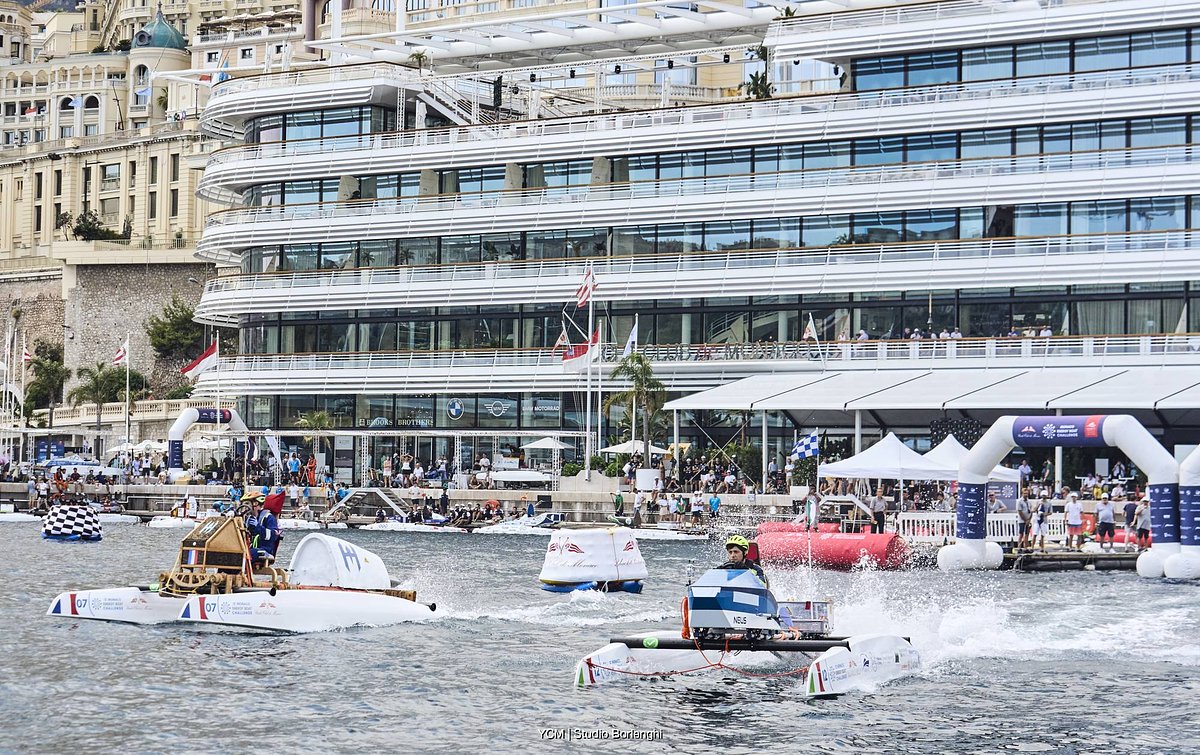
MONACO – June 05, 2026 – As the superyachts of the global elite rest in its famed Port Hercule, Monaco is preparing for a different kind of maritime display. From July 8-11, the principality will host the 13th Monaco Energy Boat Challenge (MEBC), an event that has quietly evolved from a student-focused solar boat race into a critical global laboratory for the future of marine transport. With a record 56 teams from 22 nations, including delegations from the United States and China, this year’s challenge is not merely a competition; it is a powerful indicator of a strategic shift rippling through the entire yachting industry.
Organized by the Yacht Club de Monaco (YCM) under the 'Monaco, Capital of Advanced Yachting' initiative, the event's mission is to accelerate the maritime industry's energy transition. It’s a hands-on, high-stakes proving ground where the next generation of marine technology—from silent electric cruisers to hydrogen-powered hydrofoils—is put to the test in real-world conditions. As the industry faces mounting pressure from regulators and a new wave of environmentally conscious consumers, the innovations showcased here are no longer theoretical exercises but vital components of future business growth.
From Prototype to Product: A High-Stakes Proving Ground
The true significance of the MEBC lies in its ability to bridge the gap between academic experimentation and commercial application. The Open Sea Xperience category, in particular, serves as a direct pipeline to the market, featuring CE-certified, ready-to-roll zero-emission boats. This year, 16 teams will participate, showcasing solutions that could soon be available to consumers.
Among the highlights is the Wia 520HT, a 16-meter, 100% electric yacht designed for quiet, long-distance cruising, demonstrating that sustainability need not come at the expense of luxury or range. Other projects feature innovations in solar propulsion, high-powered electric engines like Weenav's KRONOS 300, and even advanced autonomous navigation systems. The diversity of technology is striking, with 49 electric, six hydrogen, and one methanol project registered for the 2026 event. This technological pluralism underscores a key industry reality: there will likely be no single silver bullet for decarbonization, but rather a portfolio of solutions tailored to different use cases.
“The Monaco Energy Boat Challenge is an opportunity to put ideas into practice,” says Bernard d’Alessandri, Director and General Secretary of the Yacht Club de Monaco. “Here, teams can test technologies in real-world conditions, exchange ideas with the industry, and share their experiences.” This hands-on approach is what gives the event its unique value, transforming abstract concepts into tangible, market-ready products and pushing the boundaries of what is possible in marine engineering.
Cultivating a New Generation of Marine Innovators
Beyond the hardware, the MEBC is making a long-term strategic investment in human capital. Since its inception in 2014, the event has engaged over 6,500 students from 50 universities, creating a global network of talent committed to sustainable engineering. The event's core philosophy of open-source innovation, requiring teams to share their project details at Tech Talks, fosters a uniquely collaborative environment that accelerates collective progress.
This focus on talent development is formalized through programs like the Corporate Mentoring Programme, which pairs student teams with industry veterans for year-round guidance, and a dedicated Job Forum that connects promising young engineers with leading maritime companies. For many participants, the MEBC is a direct launchpad into a career. This pipeline is essential for an industry undergoing a profound technological transformation, ensuring that companies have access to the skills needed to design, build, and maintain the vessels of tomorrow.
A Strategic Alliance for a Greener Horizon
The powerful currents of change are not driven by students alone. The MEBC is backed by a formidable alliance of industry titans, including shipyards like Oceanco, Ferretti Group, Azimut | Benetti Group, and Lürssen, alongside major corporate partners such as UBS, BMW, and SBM Offshore. Their involvement transcends simple sponsorship, representing a deep strategic alignment with the goals of sustainable yachting.
These companies are not just observing; they are actively integrating sustainability into their core business strategies. Oceanco, for instance, has an ambitious plan to achieve zero environmental impact for its newly built yachts by 2030. Azimut | Benetti Group is reducing vessel weight through extensive use of carbon fiber and championing the use of biofuels like Hydrotreated Vegetable Oil (HVO), which can reduce CO2 emissions by up to 90%. Meanwhile, Safe Harbor, the world's largest marina operator, is electrifying its ground operations and installing solar facilities across its properties. “With the Yacht Club de Monaco, we are committed to promoting a more sustainable vision for yachting,” notes Tanguy Ducros, Senior Vice President at Safe Harbor. “The ocean is our shared responsibility.”
This concerted effort is a clear signal that the luxury yachting market is pivoting. Sustainability is no longer a fringe concern but a central element of brand value and a key driver of competitive advantage. The MEBC serves as the nexus for this movement, reinforcing Monaco's self-styled role as the 'Silicon Valley of the seaside.'
Navigating the Headwinds of Decarbonization
The path to a zero-emission future is not without its challenges. The industry faces significant hurdles, including the high upfront cost of new technologies, a lack of widespread green refueling infrastructure, and the persistent risk of 'greenwashing,' where marketing claims outpace genuine environmental progress. However, the economic and regulatory tides are turning decisively.
The market for zero-emission yachts is projected to surge from $1.2 billion in 2024 to over $4 billion by 2032, a growth rate that far outpaces the conventional market. This is fueled by increasingly stringent regulations, such as the International Maritime Organization's target to achieve net-zero emissions by 2050, and a new generation of buyers who demand eco-friendly options. The conferences held during the MEBC, which this year will tackle complex topics like nuclear propulsion, advanced battery systems, and the role of methanol, demonstrate the seriousness with which the industry is exploring all potential avenues.
Events like the Monaco Energy Boat Challenge are indispensable in this transition. They de-risk innovation by providing a platform for real-world testing, foster crucial collaboration between academia and industry, and showcase what is not just possible but commercially viable. As the teams prepare to launch their vessels into the Mediterranean, they are not just competing for a trophy; they are charting a course for a cleaner, smarter, and more sustainable multi-billion dollar industry.