
- 7 million: International visitors treated in South Korea since 2009
- 15% annual growth: Projected market expansion for surgical and diagnostic robots
- $180 billion: Global medical tourism market projected value by 2030
Experts agree that AI is transforming global healthcare by improving diagnostics, treatment planning, and patient care, but emphasize the need to address ethical challenges like data privacy and algorithmic bias to ensure equitable access and safety.
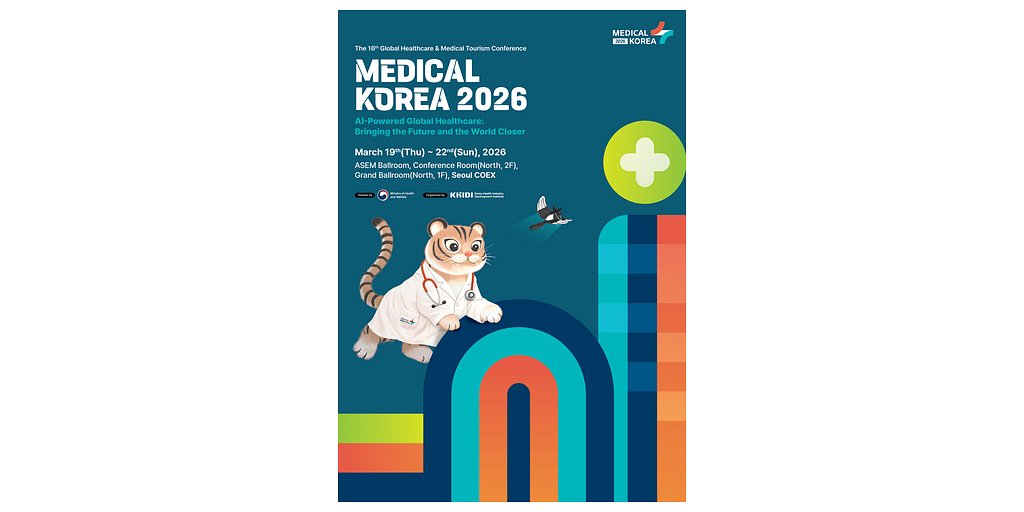
Medical Korea 2026: Charting the Future of AI in Global Healthcare
SEOUL, South Korea – March 02, 2026 – As the global healthcare industry stands at the precipice of an artificial intelligence-driven revolution, Seoul is positioning itself as a central hub for the conversation. From March 19–22, 2026, the city will host Medical Korea 2026, the 16th Global Healthcare & Medical Tourism Conference, at the COEX convention center. The event promises to be a critical forum for dissecting the future of cross-border medical services in an era of rapid technological change.
Hosted by the Ministry of Health and Welfare and organized by the Korea Health Industry Development Institute (KHIDI), the conference is themed “AI-Powered Global Healthcare: Bringing the Future and the World Closer.” It will convene a diverse assembly of policymakers, industry executives, and healthcare professionals to navigate the complex landscape of AI’s integration into medicine, digital health transformation, and the burgeoning medical tourism market.
South Korea's Strategic Vision for Healthcare
For over two decades, South Korea has been methodically building its reputation as a global healthcare powerhouse. The Korea Health Industry Development Institute (KHIDI), established in 1999, has been at the heart of this strategy, working to bolster the nation's health industry and enhance its global competitiveness. The upcoming conference is a clear manifestation of this long-term vision.
South Korea's ascent in the medical tourism sector has been remarkable. Since officially opening its doors to foreign patients in 2009, the country has treated over seven million international visitors, with its market share growing steadily. This success is built on a foundation of high-quality clinical outcomes, advanced technology, and strong government support. The country's expertise in fields like minimally invasive surgery, advanced cancer therapies, and robotic systems has made it a leading destination for patients seeking cutting-edge care. KHIDI's accreditation programs for hospitals serving foreign patients have been instrumental in building international trust by ensuring stringent standards for safety, communication, and price transparency.
The government’s commitment extends beyond tourism. It is actively promoting a national digital health transformation, with significant investments in R&D and incentives designed to attract top talent. This national strategy aims to integrate AI and robotics deeply into the healthcare infrastructure, with projections showing the market for surgical and diagnostic robots growing over 15% annually in the coming years.
AI: The Transformative Potential and Inherent Challenges
Medical Korea 2026 aims to move the conversation about AI beyond the hype and into practical reality. The conference program, featuring over 40 international speakers across eight sessions, will delve into the tangible applications of AI that are already reshaping diagnostics, treatment planning, and patient care.
The potential is immense. AI algorithms are demonstrating the ability to deliver predictive diagnostics with unprecedented speed and accuracy, while personalized treatment plans tailored to an individual's genetic makeup and lifestyle are moving from theory to practice. This technological shift promises not only to improve outcomes but also to enhance efficiency and potentially lower costs, making advanced healthcare more accessible globally.
This optimistic vision will be a central theme of the keynote address by Edward Marx, CEO of Marx Advisory. His speech, “The Healthcare World is Flat: How New Technologies Impact Global Health,” is expected to explore how AI and other emerging technologies are breaking down geographical barriers and creating a more equitable global health system. He will be joined by Eun-Young Jung, Director General for Healthcare Industry Policy at the Ministry of Health and Welfare, whose participation underscores the South Korean government's deep involvement in this digital transition.
However, the conference will not shy away from the significant hurdles that accompany this transformation. The integration of AI into medicine raises profound ethical questions about data privacy, algorithmic bias, and accountability. Ensuring that AI systems do not perpetuate existing health disparities is a critical challenge, as is the development of robust regulatory frameworks to govern their use. These complex issues will be a key focus of discussion among the global experts gathered in Seoul.
Redefining the Medical Tourism Experience
The global medical tourism market, projected to surpass $180 billion by 2030, is being fundamentally reshaped by AI. For the millions of patients who travel abroad for care each year, technology is increasingly central to their experience. South Korea, along with other leading destinations, is leveraging AI to create a more seamless and personalized patient journey.
This begins long before a patient arrives, with AI-powered platforms and telemedicine facilitating pre-consultations and treatment planning from thousands of miles away. Once in the country, AI-assisted diagnostics and robotic surgery offer access to treatments that may not be available or affordable at home. The conference's structured Business Meetings and government-to-government (G2G) sessions are specifically designed to foster the international partnerships necessary to expand these services.
The exhibition hall at Medical Korea 2026 will provide a tangible look at this new ecosystem. Three distinct pavilions will highlight global healthcare collaborations, the competitiveness of Korea’s medical industry, and the integrated Medical Korea platform, offering a comprehensive overview of the technologies and services driving the industry forward.
As a testament to the industry's growth and sophistication, the Medical Korea Gala Dinner on March 19 will host the inaugural Global Medical Advertising Awards Ceremony, celebrating excellence in promoting cross-border healthcare. The evening will also highlight KHIDI's Medical Charity Program, which provides essential medical care to underserved patients from around the world.
In a statement, Andy Hong, Director of the Department of Global Healthcare Business at KHIDI, captured the event's forward-looking spirit. “Medical Korea 2026 will bring together global leaders and experts to address the latest trends and key issues in AI-driven healthcare,” he said. “Through AI-powered innovation, the conference aims to strengthen global collaboration and bring the future of healthcare closer.” As the world grapples with the possibilities and perils of AI, the dialogue in Seoul will be crucial in shaping a future where technology serves to heal, connect, and empower patients everywhere.