
- 17th annual celebration: Expanded to a two-day event with a summit, art installations, and community events.
- Juneteenth in Da Rock Summit: Focused on economic mobility, workforce development, and community advancement.
- Beyond the Divide: A month-long project reclaiming the historic West Ninth Street corridor, featuring pop-up shops and art installations.
Experts would likely conclude that Little Rock's Juneteenth celebration is a model for how historical commemoration can be transformed into a catalyst for economic and social progress, blending cultural heritage with actionable strategies for Black excellence.
Little Rock's Juneteenth: More Than a Celebration, It's a Blueprint
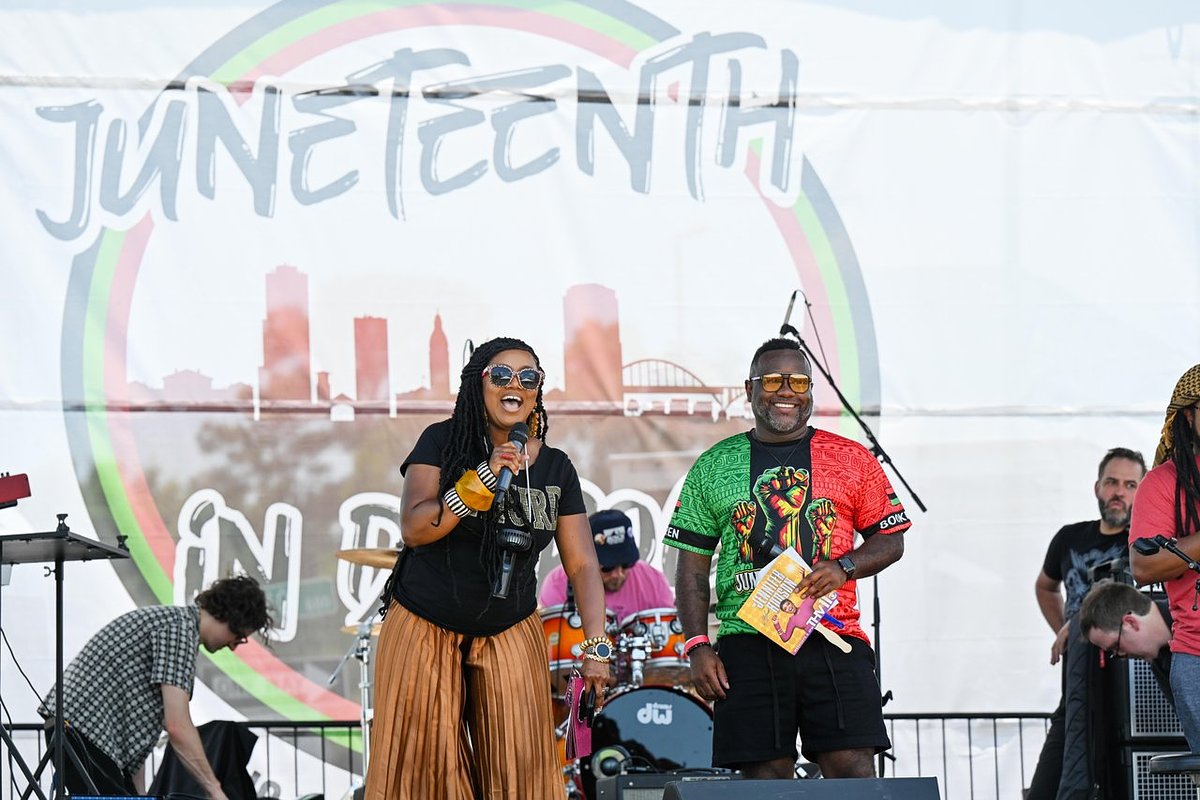
LITTLE ROCK, AR – June 16, 2026 – As cities across the nation prepare to commemorate Juneteenth, Little Rock is positioning its 17th annual celebration as something more than a day of remembrance. From June 19-20, the city will host "Juneteenth in Da Rock," an ambitious, multi-faceted event that fuses historical reflection with a pragmatic blueprint for future Black excellence. Hosted by the Mosaic Templars Cultural Center (MTCC), the expanded two-day affair moves beyond the traditional festival model to tackle issues of economic mobility, urban renewal, and civic leadership, demonstrating a strategic approach to how a community can leverage its history to build a more prosperous and equitable future.
This year’s commemoration is significantly larger in scope, introducing an inaugural summit featuring members of the Little Rock Nine, interactive art installations confronting a history of urban displacement, and a host of community events. It signals a deliberate shift from passive celebration to active engagement, aiming to provide tangible opportunities while celebrating the cultural bedrock of freedom.
From History's Front Lines to Future's Forefront
The most significant addition to this year’s event is the inaugural Juneteenth in Da Rock Summit. Held on June 19, the summit is a clear statement of intent, designed as a "premier cultural convening dedicated to economic mobility, workforce development, and meaningful community advancement." The agenda is packed with sessions on entrepreneurship, financial empowerment, and leadership, reflecting a practical focus on building generational wealth and influence.
Lending profound historical weight to this forward-looking agenda are keynote speakers Elizabeth Eckford, Carlotta Walls LaNier, and Dr. Terrence Roberts—members of the Little Rock Nine. Their presence bridges the city’s pivotal role in the Civil Rights Movement with the contemporary push for Black excellence. Nearly 70 years after they faced down a mob to integrate Central High School, their participation transforms the summit from a standard conference into a powerful dialogue between past struggle and future aspiration. They are joined by other influential figures, including former NFL stars Fred Taylor and Darren McFadden, broadening the conversation to include sports culture and its impact.
The summit's structure is designed for action. An "Opportunity Hall" will connect attendees directly with employers, financial institutions, and educational resources. This isn't just about inspiration; it's about connecting people with the tools they need to succeed, a pragmatic approach that aligns with the core mission of fostering real-world progress.
Reclaiming a Divided Landscape
Perhaps the most poignant element of the celebration is its deep engagement with the physical and historical landscape of Little Rock itself. The central festival takes place along the historic West Ninth Street corridor, a district once celebrated as the city’s “Little Harlem.” During the Jim Crow era, this five-block stretch was the vibrant heart of Black commerce and culture, a self-sufficient hub of businesses, social clubs, and entertainment venues that hosted legends like Ella Fitzgerald and Louis Armstrong.
That vibrancy was systematically dismantled by so-called “Urban Renewal” projects in the mid-20th century. The construction of Interstate 630 cut a concrete scar directly through the community, displacing thousands of residents, shuttering over 100 businesses, and creating a stark physical and economic divide that persists today. This year's Juneteenth celebration confronts this painful legacy head-on with "Beyond the Divide," a month-long demonstration project.
Through art installations, storytelling, and community-driven design, the project explores the corridor's past while actively reimagining its future. Pop-up shops featuring Black-owned businesses, including one from Little Rock’s own internationally recognized designer Korto Momolu, will temporarily reactivate the street, offering a glimpse of what a revitalized district could look like. It’s a powerful act of reclamation, using the Juneteenth platform to spark a conversation about restorative urban planning and healing the wounds of infrastructure-driven segregation. The project serves as a living case study, exploring how a community can honor its displaced history while building a more connected and accessible future.
A Celebration of Culture and Community
While the event has a serious strategic underpinning, it remains a vibrant and joyous celebration of freedom and culture. The street festival on West Ninth Street will feature thousands of attendees enjoying local vendors, food trucks, and live music from headliners like multiplatinum artist Lloyd and Grammy-nominated singer Keri Hilson.
The fifth annual Juneteenth in Da Rock 5K walk/run offers another way to engage with the city’s history, taking participants on a route that passes by significant African American landmarks, including the Little Rock Central High School National Historic Site, Dreamland Ballroom, and the campuses of Arkansas Baptist College and Philander Smith University. Inside the MTCC, visitors can explore the immersive exhibition "Arkansas Black Voices: Shaping a Nation at 250" and access a Health and Wellness Village providing free resources on fitness, nutrition, and mental health. The weekend's festivities are rounded out by the Party on the River, a free concert on the banks of the Arkansas River celebrating Black culture and community.
The Institutional Anchor: A Museum's Mission
Driving this ambitious undertaking is the Mosaic Templars Cultural Center, Arkansas's only state-funded Black history museum. The institution's name honors the Mosaic Templars of America, a Black fraternal organization whose headquarters once stood on the museum’s grounds on West Ninth Street. After a multi-year effort, the MTCC earned accreditation from the American Alliance of Museums in 2020, becoming one of only nine such accredited African American museums in the nation and solidifying its role as a leading cultural institution.
The Juneteenth in Da Rock celebration is a direct extension of the museum's mission to preserve, interpret, and celebrate African American history and culture in Arkansas. By expanding the event to include the summit and the "Beyond the Divide" project, the MTCC is demonstrating how a cultural institution can serve as a catalyst for economic development and community dialogue, ensuring that the lessons of the past are not just remembered but are actively used to shape a more equitable present and future.