
- Market Launch: Lioness debuts in 1,900+ Target stores, Amazon, and TikTok Shop nationwide.
- Target Market: Women drive 70% of consumer spending and 70% of gummy supplement consumption.
- Projected Growth: Functional food market expected to reach $88 billion by 2033.
Experts would likely conclude that Lioness represents a strategic and scientifically backed attempt to disrupt the snack aisle by addressing a significant gap in the market for women's functional nutrition.
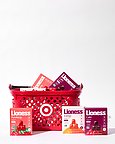
Lioness Aims to Conquer the Snack Aisle with Science-Backed Nutrition
LOS ANGELES, CA – June 08, 2026 – The modern snack aisle is a paradox of choice—a sprawling landscape of crunchy, sweet, and savory options that, for all its variety, has arguably failed to evolve with the consumers who navigate it most. Today, a new brand named Lioness™ is launching with the audacious goal of correcting this oversight, asserting that the multi-billion dollar snack industry has never been built for its primary customer: women. This isn't just another product launch; it's a calculated move to bio-hack the daily routine, one functional gummy at a time.
Lioness is entering the market not with a quiet pilot program but with a full-scale invasion, appearing simultaneously on the shelves of all 1,900+ Target stores nationwide, as well as on Amazon and TikTok Shop. The brand offers a trio of gummy snacks—Energy, PickMeUp, and Calm—each formulated to synchronize with the distinct energy rhythms of a woman's day. It’s a concept that moves beyond simple caloric satisfaction to offer targeted biochemical support, a strategy that could fundamentally reshape our understanding of what a snack can and should be.
Deconstructing the 'Snack Aisle Gap'
The central premise of Lioness is that a significant gap exists in the market. While women drive an estimated 70% of consumer spending and are the most loyal wellness consumers, the brand argues they are often forced to choose from products designed for children, men, or generic 'health enthusiasts.' An analysis of the market landscape suggests this claim has merit. The functional food market is booming, projected to hit nearly $88 billion by 2033, yet much of it remains fragmented. Consumers find sleep aids in the pharmacy aisle, energy drinks in the cooler, and protein bars next to the candy. Lioness aims to unify these functions into a cohesive, daily system.
This strategy is particularly shrewd given the format. The gummy supplement market is on a steep growth trajectory, expected to exceed $47 billion by 2030, with women accounting for over 70% of current consumption. By embedding functional ingredients into a desirable, low-calorie, snackable gummy, Lioness is meeting the consumer where she already is, but with a more sophisticated value proposition. It’s a direct challenge to the status quo, which often forces a choice between a satisfying snack and an effective supplement. The company's tagline, "Not a bar. Not a supplement. Not an afterthought," is a clear declaration of its intent to create a new category altogether.
The Science of Rhythmic Snacking
For a brand making claims about influencing daily rhythms, the science must be sound. Lioness stakes its credibility on using "clinically studied ingredients at doses that actually deliver." A closer look at its formulations reveals a sophisticated blend of adaptogens, nootropics, and minerals designed for targeted effects.
Lioness™ Energy (Citrus): This morning formula bypasses the typical caffeine jolt. It combines natural caffeine from green tea with L-Theanine, an amino acid known to promote a state of calm focus and mitigate the jitters and crash associated with caffeine alone. The inclusion of adaptogens like Ginseng and Rhodiola, which research suggests can enhance cognitive function and fight fatigue, completes a formulation aimed at sustained, productive energy. Effective doses for Rhodiola can start as low as 50mg for fatigue prevention, making it a viable ingredient for a snack-sized serving.
Lioness™ PickMeUp (Strawberry): To combat the notorious afternoon slump, the company has developed a caffeine-free option. Its key ingredient is Lion's Mane, a mushroom gaining significant attention for its potential neurotrophic benefits—that is, its ability to support brain cell growth and enhance cognitive function. Paired with Ginseng for mental clarity and Gymnema and Chromium to help manage cravings and blood sugar, this formula is engineered to restore focus without stimulants.
Lioness™ Calm (Mixed Berry): The evening offering is designed for decompression. It features KSM-66 Ashwagandha, a patented and highly studied extract known for its ability to reduce cortisol and stress. Clinical studies often use doses between 300-600mg for these effects. This is combined with Magnesium, a crucial mineral for nervous system regulation, and calming botanicals like Lemon Balm and Chamomile. The goal is not sedation, but a gentle transition from the stress of the day to a state of rest.
By creating a system of snacks, Lioness encourages a mindful, programmatic approach to self-regulation throughout the day. The brand’s success will ultimately hinge on whether the dosages in each 45-calorie pack are sufficient to produce a noticeable physiological effect, but the chosen ingredients are all well-established players in the functional wellness space.
The Founder's Playbook: From CPG Titan to Disruptor
Perhaps the most compelling part of the Lioness story is the architect behind it. Founder Nicky Jackson is not a typical startup entrepreneur. Her career includes senior executive roles at CPG goliaths Kellogg's and PepsiCo, giving her an insider's understanding of product development, supply chains, and retail strategy on a global scale.
More importantly, Jackson is the founder of RangeMe, the B2B platform that revolutionized how retailers discover new products. She built RangeMe to solve a problem she experienced firsthand: the immense difficulty for new brands to get a foot in the door with major buyers. In doing so, she effectively built the digital blueprint for the modern retail-supplier relationship, working with nearly every major US retailer, including Target. Her venture was so successful it was acquired by a private equity firm in 2017.
This background makes Jackson uniquely qualified to launch Lioness. She possesses the CPG strategist's mind for identifying unmet needs and the tech founder's drive to build a scalable solution. Her frustration, as she puts it, was personal: "I've been buying for everyone else in the snack aisle for years... But what about me?" This sentiment taps into a powerful, shared experience and provides the brand with an authentic origin story. Her deep industry connections and understanding of the retail landscape are precisely why Lioness is debuting with a nationwide launch that would be the envy of any emerging brand.
This isn't just a product launch; it's a strategic masterclass in market entry. By securing placement in Target's physical and digital stores, alongside behemoths like Amazon and the socially-driven TikTok Shop, Jackson has engineered maximum accessibility and visibility from day one. This multi-channel approach mitigates risk and leverages the unique strengths of each platform, from the credibility of a national retailer to the viral potential of social commerce. For a new company, this level of distribution is a powerful signal of validation and a formidable competitive advantage.