
- 1,000+ suspected cases of the rare Bundibugyo ebolavirus in the DRC
- 17th Ebola outbreak in the DRC since 1976
- 5.7 million displaced in Eastern DRC due to conflict
Experts emphasize the critical role of aviation charities like MAF in combating the outbreak, given the region's instability and lack of approved treatments for this rare Ebola strain.
Lifeline Over Congo: Pilot Battles Rare Ebola Outbreak
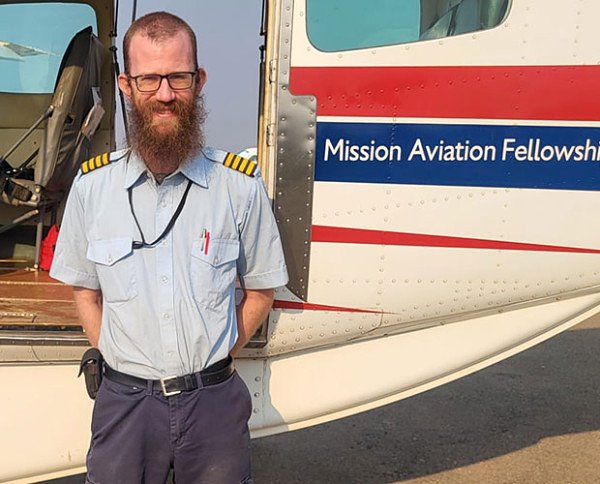
GUELPH, ON – May 26, 2026 – As a deadly and rare strain of Ebola surpasses 1,000 suspected cases in the Democratic Republic of Congo (DRC), a Canadian pilot has executed a high-stakes evacuation, underscoring the vital role of aviation charities in one of the world's most complex humanitarian crises. Dominic Villeneuve, a pilot with Mission Aviation Fellowship (MAF) Canada, flew a frontline medical family to safety from the epicenter of the outbreak, highlighting the courage and logistical precision required to combat a global health emergency.
Villeneuve, originally from Kamloops, B.C., piloted the critical flight from Bunia after an American missionary doctor at the remote Nyankunde Hospital tested positive for the virus. While the infected doctor was evacuated separately to Germany for specialized care, Villeneuve transported the physician's wife, also a doctor, their children, and another colleague who had been directly exposed. The mission was part of MAF's immediate response to a crisis that is rapidly escalating.
A New, Unfamiliar Threat
This is the DRC's 17th recorded Ebola outbreak since 1976, but international health agencies are sounding a unique alarm. The resurgence is driven by the rare Bundibugyo ebolavirus, a strain for which there is currently no approved vaccine or specific therapeutic treatment. This starkly contrasts with the more common Zaire strain, which can be fought with two approved vaccines.
The World Health Organization (WHO) has designated the crisis a Public Health Emergency of International Concern (PHEIC), its highest level of alert, with the Africa Centre for Disease Control and Prevention declaring a continental emergency. The outbreak, which began in Ituri Province, has already spread to North and South Kivu and has seen cases imported into neighboring Uganda. Health officials note a critical four-week gap between the first suspected case in late April and official confirmation in mid-May, which allowed the virus to spread undetected across a volatile region.
“Operating from our base in Bunia, our team has immediately deployed MAF’s established Ebola Management protocols,” said Villeneuve in a statement. “All of our staff are healthy, safe, and executing strict mitigation measures. Every flight is conducted under strict adherence to recommended policies and procedures to ensure the safety of our passengers and crews.”
Lifeline in a War-Torn Land
MAF's operations are set against the backdrop of one of the world's most protracted humanitarian disasters. Eastern DRC is a region plagued by chronic instability, with over 100 active armed groups creating a constant threat of violence. This insecurity has displaced nearly 5.7 million people and left millions more facing acute food shortages.
For communities cut off by conflict and impassable terrain, MAF's fleet of small aircraft is not just a convenience; it is often the only link to the outside world. These planes deliver medical supplies, transport aid workers, and perform emergency medical evacuations in areas where ground travel is impossible or too dangerous. The current Ebola outbreak is layered on top of this pre-existing crisis, making the logistical support provided by organizations like MAF more critical than ever. The organization's ability to navigate this complex environment is a testament to its deep roots and experience in the region.
A Legacy of Service Amidst Crisis
Mission Aviation Fellowship has been a steadfast presence in the DRC since 1961, witnessing and responding to the country's turbulent history. This is the sixth Ebola outbreak in which the organization has provided critical logistical support, leveraging decades of institutional knowledge to operate safely and effectively.
“When crises of this magnitude hit, our international fellowship acts as a coordinated body,” said Brad Bell, Chief Executive Officer of MAF Canada. “Through our partnerships with other NGOs and local hospitals, Canadian pilots like Dominic can plug directly into mature, deeply rooted frontline infrastructure. MAF has stood in solidarity with the Congolese people through many health crises... When circumstances escalate, our commitment is to maintain a safe, steady presence.”
This long-term commitment involves a network of 13 missionary families and over 35 Congolese staff who work together to keep isolated communities connected. The organization's strategy focuses on remaining on the ground through adversity, a principle now being tested by a pathogen known for its rapid transmission and high mortality rate.
The Human Cost of the Frontline
The evacuation flight piloted by Villeneuve throws a spotlight on the immense personal risks faced by humanitarian workers. Operating in the DRC means navigating the dual threats of endemic violence and infectious disease. For healthcare workers and their families, the risk of infection is constant. In this outbreak alone, several healthcare worker deaths have already been reported, a grim reminder of the dangers they face.
The psychological toll is equally significant. Aid workers in high-stress environments are at an elevated risk for PTSD, burnout, and anxiety. Organizations have a profound duty of care to support their staff with pre-deployment training, mental health resources, and robust safety protocols. MAF's statement that it has consulted extensively with global health experts to implement security measures reflects an understanding of this responsibility. The organization's ability to maintain an uninterrupted presence is predicated on its capacity to keep its own people safe while serving others.
As the international community mobilizes to contain the Bundibugyo outbreak, the efforts of individuals on the ground remain the backbone of the response. Reflecting on the ongoing emergency, Villeneuve made a simple plea for global solidarity. “Please pray for those who have been impacted by the resurgence of Ebola and for quick containment and elimination.”