
- 10 million: Le-Vel's existing customer base that will have access to Le-Vel Rx's prescription telehealth services.
- 20,000: U.S.-based licensed clinicians in Le-Vel Rx's partner network.
- 800,000: Prescriptions the partner network can process per month.
Experts would likely caution that while Le-Vel Rx's entry into telehealth could expand access to peptide therapies, its success hinges on strict regulatory compliance, ethical separation from its direct sales model, and robust clinical oversight to ensure patient safety.
Le-Vel's Rx Gamble: Direct Sales Giant Enters Prescription Telehealth
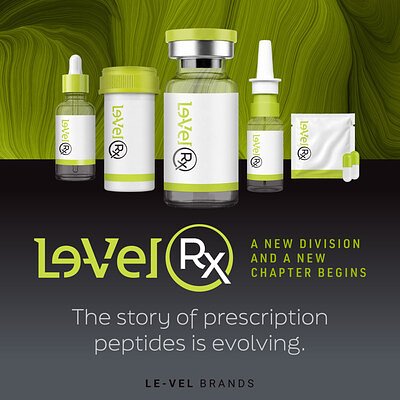
FRISCO, Texas – May 27, 2026 – Le-Vel Brands, the direct sales powerhouse behind the popular THRIVE line of wellness supplements, has announced a significant and potentially disruptive pivot into the world of regulated medicine with the launch of Le-Vel Rx. The new telehealth division aims to provide its massive customer base with direct access to prescription wellness and longevity treatments, with a sharp focus on the booming market for peptide therapies.
This move positions the decade-old, billion-dollar company to capitalize on the intense public demand for clinically supervised health solutions, particularly GLP-1 agonists and other peptides that have dominated headlines for their effects on weight management and anti-aging. Le-Vel Rx promises to streamline access to these treatments, offering a fully digital experience that bypasses long waitlists and complex referrals, a common frustration for patients seeking these therapies through traditional channels.
"In 2012, we established Le-Vel Brands, LLC with the intention of representing many in-house brands — and today, that vision is becoming a reality in the most meaningful way," said Jason Camper, Founder and CEO of Le-Vel Brands, in a press release. "Le-Vel Rx is not just a new division; it is the next chapter of who we are and who we are becoming."
A New Prescription for Growth
The timing of Le-Vel's entry is no coincidence. The global market for peptide therapeutics is experiencing explosive growth, and direct-to-consumer telehealth platforms like Ro, Hims & Hers, and GoodRx have already established a competitive landscape for prescription weight loss drugs. By leveraging its existing community of over 10 million customers, Le-Vel aims to carve out a significant share of this lucrative market.
The company's strategy hinges on combining the trust it has built through its wellness brand with a robust clinical infrastructure. Le-Vel Rx will facilitate access to licensed clinicians for consultations and prescription fulfillment through a network of compounding pharmacies and FDA-registered outsourcing facilities. The stated goal is to democratize access to advanced therapies for weight management, recovery, hormonal health, and longevity, moving beyond supplements into a new tier of personalized medicine.
A Partnership of Scale and Secrecy
Central to the Le-Vel Rx launch is a strategic partnership with what the company describes as "one of the largest conglomerate organizations in the telehealth prescription and pharmacy peptide industry." According to Le-Vel, this unnamed partner provides an extraordinary operational backbone, including a network of more than 20,000 U.S.-based licensed clinicians, a nationwide pharmacy network capable of compliant fulfillment in all 50 states, and the capacity to process over 800,000 prescriptions per month.
While these figures suggest a partnership built for immense scale, the decision to keep the partner's identity confidential raises questions. Without transparency, it is difficult to independently verify the partner's regulatory track record, licensing, and history within the complex telehealth and compounding pharmacy space. The credibility of Le-Vel Rx's clinical operations rests heavily on this anonymous entity, which the company insists was selected for its "scale, credibility, and operational rigor."
Navigating a Regulatory Minefield
Le-Vel Rx enters a market fraught with complex regulatory challenges, particularly concerning peptide therapies. While some peptides, like the GLP-1 agonist semaglutide, are active ingredients in FDA-approved drugs, many others exist in a legal grey area. The U.S. Food and Drug Administration (FDA) has issued warnings about the safety and efficacy of certain compounded peptides, which are not FDA-approved and can carry risks related to impurities and lack of clinical data.
For instance, the FDA has taken action to restrict the compounding of popular peptides like BPC-157, citing significant safety concerns. Le-Vel Rx states it will use "licensed compounding pharmacies and FDA-registered outsourcing facilities," a critical distinction intended to assure consumers of its commitment to compliance. However, the safety and legality of prescribing compounded peptides via telehealth depend heavily on strict adherence to both federal guidelines and varying state-level medical board regulations.
Patient safety in this model requires rigorous medical oversight, including thorough initial assessments, appropriate lab work, and ongoing monitoring for side effects. While Le-Vel Rx touts its access to thousands of clinicians and 24/7 patient support, the quality of care will ultimately depend on the clinical protocols it implements to manage a large, remote patient population receiving powerful, and in some cases experimental, therapies.
The Direct Sales Dilemma
The most significant challenge for Le-Vel Rx may be the integration of a medical service with its foundational direct sales business model. Le-Vel's success was built by a network of independent "Brand Promoters" who earn commissions by selling products and recruiting others. This structure introduces potential ethical conflicts when applied to healthcare.
Medical ethics guidelines, such as those from the American Medical Association, strongly caution against physicians selling health-related products due to the risk of financial interests influencing clinical judgment and creating undue pressure on patients. The critical question for Le-Vel Rx is how it will insulate medical decision-making from its sales-driven marketing arm. Will Brand Promoters, who are not medical professionals, be incentivized to drive recruitment for Le-Vel Rx services? What firewalls will be in place to ensure patient referrals are based on medical need rather than a promoter's potential commission?
Successfully navigating this ethical tightrope will be paramount. The company must establish a clear and impenetrable boundary between its community-based marketing and the confidential, patient-first relationship required in medicine. Failure to do so could invite intense scrutiny from regulators, medical boards, and consumer protection agencies.
As Le-Vel Rx prepares to launch, it stands at a crossroads between wellness marketing and clinical care. Its ambition to provide greater access to modern medicine is clear, but its success will be defined by its ability to prove that its new venture is governed by clinical integrity rather than the sales incentives that built its empire.