
- 40 million newly covered lives: Insurance expansion adds significant patient access.
- 44% healing rate: Kerecis fish-skin grafts healed severe diabetic foot ulcers vs. 26.4% with standard care.
- Top-two coverage: Kerecis now among the most widely insured skin substitutes for DFUs.
Experts would likely conclude that this insurance expansion validates Kerecis's clinical evidence and positions fish-skin grafts as a mainstream, cost-effective solution for chronic wound care.
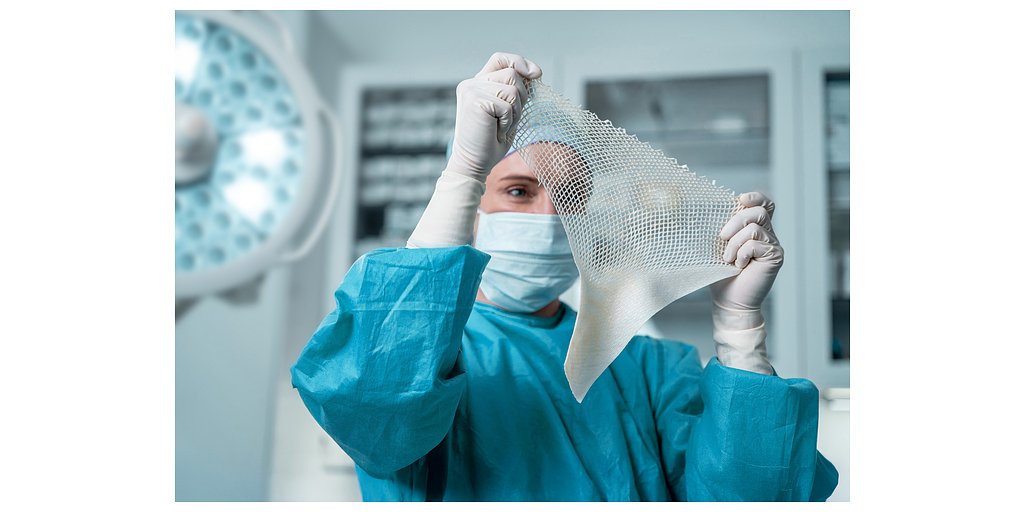
Kerecis's Fish-Skin Grafts Go Mainstream with Massive Insurance Expansion
ARLINGTON, VA – June 23, 2026 – Kerecis, the Icelandic innovator pioneering the use of fish skin for human tissue regeneration, has landed a strategic victory that signals a major shift in the U.s. advanced wound care market. The company announced a landmark expansion of insurance coverage, adding more than 40 million newly covered lives across major national and regional health plans. This development catapults its unique, sustainably sourced medical product from a niche novelty into a mainstream solution, poised for accelerated adoption and significant business growth.
The expansion, which includes policy updates informed by the powerful Blue Cross Blue Shield Association (BCBSA) and several state Medicaid programs, represents a critical tipping point. It not only widens patient access but also validates a multi-year strategy focused on delivering irrefutable clinical evidence. For millions of Americans suffering from debilitating chronic wounds, particularly diabetic foot ulcers (DFUs), this shift means a proven, effective treatment is now within reach. For Kerecis and its parent company, Coloplast, it's a decisive move that solidifies its leadership position in a highly competitive sector.
“Coverage determines whether innovation is actually used,” said Fertram Sigurjonsson, Founder and CEO of Kerecis. “What we are seeing now is access catching up with clinical experience. That is when adoption accelerates.”
A Turning Point for Patient Access and Outcomes
Behind the headline numbers lies a profound human impact. Chronic wounds affect millions of Americans, and DFUs are a leading cause of lower-limb amputations. The expanded coverage directly addresses this crisis by removing a primary barrier—cost—for a treatment proven to be highly effective on the most severe wounds.
Kerecis's strategic success hinges on its targeted clinical trial strategy, culminating in the pivotal Odinn randomized controlled trial. The study focused on complex DFUs with exposed bone and tendon, the very wounds that often lead to amputation. The results were dramatic: 44% of wounds treated with Kerecis's intact fish-skin grafts healed within 16 weeks, compared to just 26.4% for those receiving the standard of care. This wasn't a marginal improvement; it was a clinical breakthrough that provided the definitive evidence payors require.
“Major payors demand definitive evidence that a biologic solution reliably advances tissue regeneration,” explained Gunnar Johannsson, MD, Senior Vice President and Medical Director at Kerecis. “Our data establishing efficacy in the most severe ulcers sets a new clinical benchmark, and that clear differentiation is driving these coverage decisions.”
For wound care specialists on the front lines, this expansion is a game-changer. It provides a powerful tool to intervene earlier and more effectively, potentially saving limbs and lives. The inclusion of Kerecis in Medicaid plans across states like Illinois, Kentucky, Missouri, and Michigan is particularly significant, ensuring that vulnerable, low-income populations with high rates of diabetes have access to this cutting-edge care.
The Power of Proof: Reshaping Reimbursement Policies
This move by insurers is not an isolated event but rather a reflection of a larger trend in healthcare: the shift toward evidence-based reimbursement. Payors are no longer simply looking at the upfront cost of a product but are evaluating its total value, including its ability to improve outcomes and reduce long-term systemic costs, such as those associated with amputations, extended hospital stays, and chronic infections.
“We are seeing a clear shift in how payors evaluate biologic solutions,” Sigurjonsson noted. “Coverage decisions are increasingly grounded in clinical outcomes, practical applicability, and the ability to reduce downstream burden on the healthcare system. That is where fish‑skin grafts are resonating.”
By securing inclusion in policy frameworks informed by the BCBSA, Kerecis has unlocked a cascading effect. As individual Blue Cross Blue Shield plans—which collectively represent over 30 independent health insurers—begin adopting these updated policies, access will continue to multiply. This is strategically amplified by the growing enrollment in Medicare Advantage plans, which now cover over half of the Medicare population and often align their coverage criteria with their parent organization's commercial policies. In essence, a single commercial policy win can create a ripple effect, opening doors across both private and government-sponsored insurance segments.
This strategic foresight has positioned Kerecis as one of the top-two widest covered skin substitutes for diabetic foot ulcers, a remarkable achievement for a company leveraging a resource as unconventional as North Atlantic cod.
From Icelandic Waters to a Market Leader
Kerecis’s core innovation lies in its unique biological material and proprietary processing. Sourced from sustainably managed Icelandic fisheries, the skin of the Atlantic cod is remarkably similar in structure to human skin. Unlike mammalian-based products, which carry a risk of viral or prion disease transmission and often require harsh chemical processing that strips away natural components, Kerecis’s material is only gently processed.
This gentle method, which uses renewable energy, preserves the fish skin's complex, three-dimensional architecture, natural strength, and beneficial molecules, including omega-3 fatty acids. When grafted onto a wound, this intact structure provides a scaffold for the patient's own cells to infiltrate and regenerate new, healthy tissue. It effectively serves as a blueprint for healing.
This technological advantage has allowed Kerecis to become the fastest-growing company in the U.s. xenograft biologics market. Its success was further bolstered by recent decisions from the Centers for Medicare & Medicaid Services (CMS). In late 2024, CMS confirmed Medicare coverage for Kerecis products for DFUs while simultaneously removing 189 other products from its covered list, effectively clearing the competitive field and rewarding companies with robust clinical backing. This regulatory tailwind, combined with the new commercial and Medicaid coverage, creates a powerful engine for market share expansion.
Kerecis's journey from a novel concept in Reykjavik to a market leader, now part of the global healthcare giant Coloplast, is a case study in strategic growth. By marrying a unique, sustainable technology with a disciplined, evidence-driven approach to market access, the company has not only built a strong business but has also fundamentally improved the standard of care for patients with the most challenging wounds.