
- Market Growth: The global smart water purifier market is projected to grow from USD 17.42 billion in 2024 to over USD 30.53 billion by 2030, reflecting a 9.8% CAGR.
- Appliance Longevity: Using softened water can extend the life of appliances like dishwashers and washing machines by 25-40%.
- Manufacturing Scale: Karofi operates facilities covering 63,000 square meters with a production capacity of up to 8 million products annually.
Experts would likely conclude that Karofi’s Smart Home Water and Wellness Ecosystem represents a significant advancement in smart home technology, shifting the focus from entertainment to foundational health and sustainability, with strong potential to disrupt the global market.
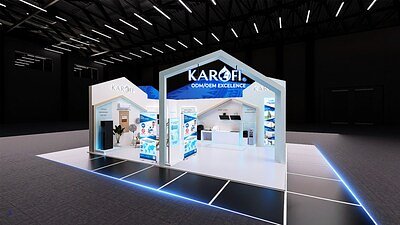
Karofi Reimagines Home Wellness with Smart Water Ecosystem at CES
LAS VEGAS, NV – January 05, 2026 – As the halls of the Consumer Electronics Show (CES) 2026 buzz with the future of connected living, Vietnamese innovator Karofi is making a significant statement, not with a flashy gadget, but with a fundamental re-imagining of a home’s most essential resource: water. The company is unveiling its comprehensive Smart Home Water and Wellness Ecosystem, a strategic move to position water as the central pillar of a truly healthy and intelligent home environment.
Moving beyond single-point purifiers, Karofi’s ecosystem presents a holistic vision that treats water from its point of entry to every tap. This integrated approach signals a pivotal shift in the smart home market, which is rapidly evolving from a focus on entertainment and security to foundational infrastructure that supports health, sustainability, and long-term home protection.
The Next Frontier in Smart Home Technology
The smart home is getting smarter about what truly matters. While connected thermostats and voice-activated lighting have become commonplace, the management of water quality has largely remained a fragmented and reactive process. Karofi’s ecosystem aims to change that by treating a home's water supply as a single, manageable asset.
This strategy taps directly into a booming market. Industry analysis projects the global smart water purifier market to grow from USD 17.42 billion in 2024 to over USD 30.53 billion by 2030, reflecting a compound annual growth rate of 9.8%. This growth is fueled by rising consumer health consciousness and the increasing integration of IoT technology into home appliances. Karofi’s own AIoTec platform allows users to monitor water quality, track filter life, and receive maintenance alerts directly on their smartphones, bringing data-driven intelligence to a previously opaque home system.
The ecosystem’s philosophy is that wellness begins with the water that touches every aspect of daily life—from the water you drink and cook with to the water used for bathing and laundry. By ensuring consistent quality throughout the home, the system aims to provide a comprehensive shield against contaminants, hardness, and other common water issues.
From Filtration to Foundational Wellness
At the heart of Karofi’s showcase are distinct product lines designed for different needs within the home, all working in concert.
For premium drinking water, the company is highlighting two new series. The Diamond Series serves as the flagship, designed not to be hidden under a sink but to be a visual centerpiece in modern kitchens. With refined aesthetics like chrome-finished handles and an electronic faucet, it delivers hydrogen-enriched water and is engineered to evolve into a centralized smart water hub for future lifestyle integrations. The Platinum Series offers a more compact, space-efficient solution, featuring a distinctive dual-faucet design that dispenses hot, cold, and RO-purified water, catering to the demands of urban homes and young families.
However, the ecosystem's ambition extends far beyond the kitchen sink. Karofi is also featuring its whole-house water treatment systems, designed to protect homes at the source. Solutions like the P01S and P02S tackle prevalent issues such as residual chlorine and scale buildup from hard water, which can damage plumbing and shorten the lifespan of appliances like dishwashers and washing machines. Research indicates that using softened water can extend the life of such appliances by 25-40%.
A key technological highlight is the company’s use of Capacitive Deionization (CDI). This advanced, salt-free technology offers a more sustainable alternative to traditional salt-based water softeners. CDI uses an electro-sorption process to remove dissolved ions, allowing for adjustable Total Dissolved Solids (TDS) reduction with high water recovery and no brine wastewater. For homeowners, this means effective water softening without the environmental impact or the hassle of regularly buying heavy bags of salt.
A Vietnamese Innovator's Global Ambition
Karofi's presence at CES is more than a product launch; it's a declaration of its global ambitions. While the brand is a dominant force in its home market of Vietnam, it has methodically built a presence in over 50 countries. Its showcase in Las Vegas is a strategic effort to solidify its position as a serious contender on the world stage, competing with established international players.
This global push is supported by a formidable manufacturing and R&D backbone. The company operates three modern facilities covering approximately 63,000 square meters, with a production capacity of up to 8 million products annually. With a team of over 200 R&D engineers, Karofi follows an integrated “Lab → Engineering → Manufacturing → Global Market” model that enables it to maintain quality control and scale production for diverse international markets. This operational strength also allows Karofi to serve as a key OEM/ODM partner for other global brands, further demonstrating its technical depth and manufacturing flexibility.
To build trust in a market where safety and performance are paramount, Karofi has secured critical international certifications for its products. Compliance with standards like NSF/ANSI 58, which validates the effectiveness of reverse osmosis systems in reducing contaminants like lead and arsenic, and UL 399, which ensures electrical safety, reinforces the brand's commitment to delivering reliable and safe solutions to a global customer base.
By presenting a cohesive vision backed by advanced technology and proven manufacturing excellence, Karofi is demonstrating that innovation from Southeast Asia can set new standards in the global home technology market. The company’s focus on a complete water wellness ecosystem underscores a future where smart homes are not just connected, but are fundamentally healthier and more sustainable places to live.