
- 50-megawatt capacity: The Hermes 2 Demonstration Plant is a 50-megawatt facility, the first power-producing Generation IV reactor to secure a construction permit from the U.S. Nuclear Regulatory Commission (NRC).
- 500 megawatts by 2035: Kairos Power and Google aim to deploy 500 megawatts of Kairos Power's nuclear projects by 2035 under their Master Plant Development Agreement.
- $100 million investment: Kairos Power has invested over $100 million in its facilities in Oak Ridge, Tennessee, creating dozens of high-paying jobs.
Experts view the Hermes 2 project as a pivotal step toward a new paradigm in clean energy, where advanced nuclear power is built faster, cheaper, and safer, with the potential to significantly contribute to decarbonization efforts.
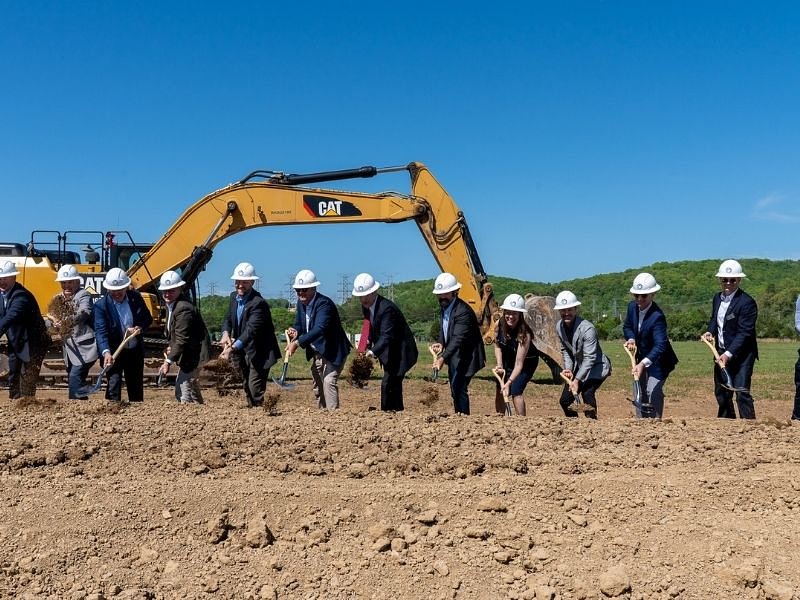
Kairos Power Breaks Ground on Gen IV Reactor, Backed by Google
OAK RIDGE, TN – April 17, 2026 – Amid the historic grounds that once housed the Manhattan Project, Kairos Power broke ground today on its Hermes 2 Demonstration Plant, a project that signals a pivotal moment for the future of nuclear energy in the United States. The facility is not only the company's first commercial-scale reactor but also the first-ever power-producing Generation IV reactor to secure a construction permit from the U.S. Nuclear Regulatory Commission (NRC).
The groundbreaking represents a tangible step toward a new paradigm in clean energy, one where advanced nuclear power is built faster, cheaper, and safer. The Hermes 2 plant, a 50-megawatt facility, is the first deployment under a landmark agreement with Google. It will supply carbon-free electricity to the Tennessee Valley Authority (TVA) grid, specifically aimed at decarbonizing the tech giant's power-hungry data centers in Tennessee and Alabama.
The event celebrated the culmination of technology, regulation, and commercial partnership, drawing elected officials, community leaders, and industry partners to the reclaimed K-33 site at the East Tennessee Technology Park.
A New Blueprint for Nuclear Safety and Design
At the heart of the Hermes 2 project is the Kairos Power Fluoride Salt-Cooled High-Temperature Reactor (KP-FHR), a technology that fundamentally reimagines reactor design. Moving away from the high-pressure, water-cooled systems of traditional nuclear plants, the KP-FHR combines two proven technologies with origins in Oak Ridge: TRISO coated particle fuel and a molten fluoride salt coolant known as Flibe.
TRISO fuel particles, each the size of a poppy seed, contain a kernel of uranium encased in multiple layers of carbon and ceramic materials. Widely regarded as "the most robust nuclear fuel on earth," this design allows the fuel to withstand extreme temperatures and effectively trap radioactive byproducts, forming a self-contained safety system at the particle level.
This advanced fuel is paired with Flibe, a chemically stable molten salt that operates at very high temperatures but at near-atmospheric pressure. This low-pressure environment eliminates the risk of a high-pressure event and removes the need for the massive, expensive containment structures that define conventional nuclear plants. The system is designed for passive safety; in the event of a power loss, natural convection currents in the salt are sufficient to cool the reactor indefinitely without human intervention.
"For nuclear projects to be successful, we need more than just the right technology. We need to understand every aspect of project delivery. Hermes 2 is where that all comes together," said Mike Laufer, Kairos Power CEO and co-founder, in a statement.
Big Tech's Bet on Advanced Nuclear
The Hermes 2 project is propelled by a powerful new force in the energy market: the voracious and growing electricity demand of artificial intelligence. In October 2024, Kairos Power and Google signed a Master Plant Development Agreement, a first-of-its-kind deal for a U.S. tech company to commission a fleet of advanced reactors. The agreement sets a path to deploy 500 megawatts of Kairos Power's nuclear projects by 2035.
This partnership underscores a strategic shift for companies like Google, which have committed to operating on 24/7 carbon-free energy. While solar and wind power are crucial, their intermittent nature cannot alone satisfy the constant, high-volume power demands of modern data centers. Advanced nuclear offers a firm, carbon-free power source that can run around the clock, complementing renewables to ensure a stable and clean grid.
“The groundbreaking of Hermes 2 is a major leap forward in our efforts to accelerate the commercialization of affordable, carbon-free energy,” said Amanda Peterson Corio, Global Head of Data Center Energy at Google. “This shift toward a more efficient, factory-based manufacturing approach is a proven path toward lower-cost, cleaner power for our operations and the communities we serve.”
The TVA is a critical third partner in this arrangement, having signed a power purchase agreement (PPA) to buy electricity from Hermes 2—the first such agreement for a Gen IV reactor in the U.S. “Kairos Power represents a decisive step forward for America’s nuclear leadership,” noted Matt Rasmussen, TVA Senior Vice President and Chief Nuclear Officer.
The Factory-Built Reactor: Reimagining Construction
Perhaps the most significant innovation Kairos Power brings to the table is its approach to construction. For decades, nuclear projects have been plagued by massive cost overruns and lengthy delays. The company aims to shatter that reputation by pioneering a factory-built, modular construction model.
Reactor equipment modules for Hermes 2 will be fabricated under controlled conditions at the company's Manufacturing Development Campus in Albuquerque, New Mexico. These large components will then be shipped to Oak Ridge for assembly on-site. This approach, common in industries like aerospace and shipbuilding, promises to dramatically improve quality control, reduce on-site labor costs, and shrink project timelines.
The civil structure for Hermes 2 will also leverage modular methods, incorporating precast concrete and a seismically isolated foundation. This iterative development strategy, building on lessons from the adjacent Hermes 1 low-power test reactor already under construction, is designed to create a standardized, repeatable design that drives down costs for a future fleet of reactors.
"We're training a real workforce to do nuclear construction, learning from the Hermes 1 experience, and translating that knowledge to the Hermes 2 project next door," Laufer stated.
Oak Ridge's Nuclear Renaissance
The project is also a story of regional revitalization. Kairos Power's campus is breathing new life into Oak Ridge, a city synonymous with America's nuclear history. The company has invested over $100 million in its facilities here, creating dozens of high-paying jobs and anchoring a burgeoning "nuclear renaissance."
This new wave of investment, which includes several advanced energy companies, is projected to bring thousands of jobs and billions of dollars to the region over the coming decade. In partnership with the University of Tennessee, Roane State, and other local institutions, a robust workforce development pipeline is being built to train the next generation of nuclear engineers, technicians, and operators.
"Kairos Power has made significant investments in this community and is creating high-quality jobs that will support families and strengthen the regional economy,” said U.S. Representative Chuck Fleischmann. The project's location on land once part of the Oak Ridge Gaseous Diffusion Plant, now cleaned and returned to the community for economic development, serves as a powerful symbol of this transformation from a legacy of the past to a beacon of the future.
Navigating the Regulatory Frontier
The path to today's groundbreaking was paved by significant regulatory progress. In November 2024, the NRC issued construction permits for the Hermes 2 facility in a notably efficient 18-month review period. This followed the 2023 approval for Hermes 1, which was the first construction permit for a non-light-water reactor in over 50 years.
The NRC has been actively working to modernize its licensing framework to accommodate the novel designs of advanced reactors, moving toward a more risk-informed, performance-based approach. This efficiency is seen as critical for the commercial viability of the dozens of advanced reactor companies developing new technologies. However, the path is not without challenges. The agency has faced documented staffing shortages, and legal challenges to its regulatory authority persist, highlighting the ongoing complexities of pioneering a new generation of nuclear power.
As construction begins on Hermes 2, it stands as more than just a new power plant. It is a real-world test case for a new model of nuclear energy—one driven by private innovation, enabled by corporate demand for clean power, and built on a foundation of modern manufacturing and inherent safety. The success of this project could determine the pace and scale of nuclear energy's role in the global transition to a carbon-free future.