
- On-device AI processing: JBL BandBox uses advanced Stem AI technology to deconstruct songs in real time without cloud processing or an internet connection.
- Two models available: JBL BandBox Solo ($249.95, 18-watt RMS) and Trio ($599.95, 135-watt RMS) catering to individual and group musicians.
- Pre-sale launch: Available for pre-sale starting January 22, 2026, with shipping beginning March 1, 2026.
Experts view the JBL BandBox as a groundbreaking development in consumer audio hardware, offering a powerful, on-device AI solution that eliminates the need for cloud processing and enhances musicians' practice and creative capabilities.
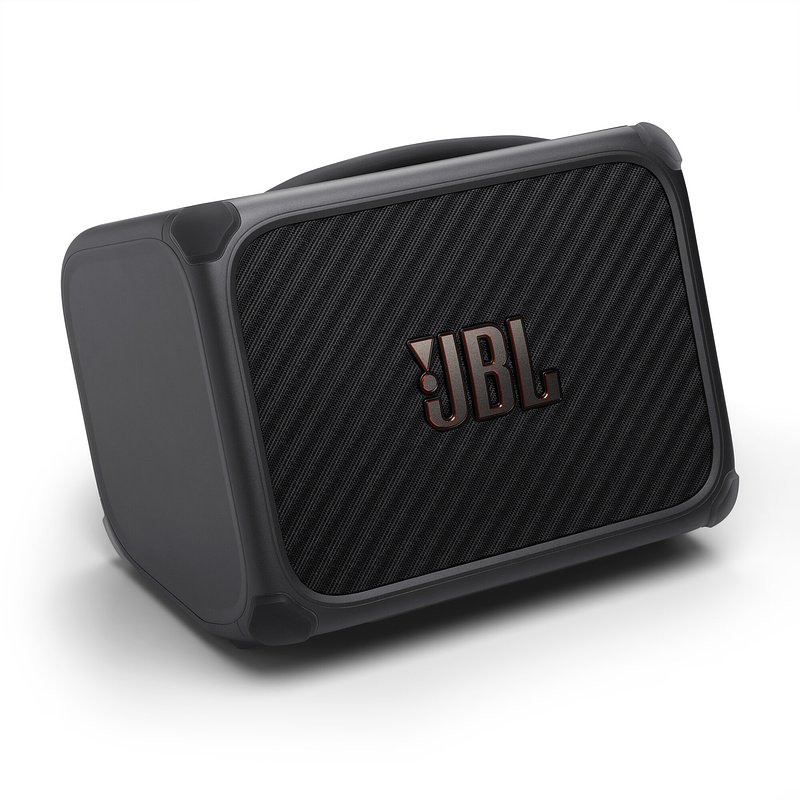
JBL BandBox: The AI Amp That Lets You Remix Any Song in Real Time
STAMFORD, Conn. – January 22, 2026 – Audio giant JBL today unveiled the BandBox, a new line of smart practice amplifiers that could fundamentally change how musicians learn, practice, and create. The BandBox Solo and Trio models are not just portable speakers with an instrument jack; they are powered by an advanced, on-device artificial intelligence that can deconstruct any song in real time, allowing players to isolate or remove vocals, guitar, or drums on the fly.
This move by JBL, a cornerstone of the HARMAN audio empire, signals a significant leap into AI-driven music hardware. By integrating sophisticated stem separation technology directly into the amp, the company is offering a powerful practice tool that previously required dedicated software, cloud processing, and a significant amount of time. The BandBox promises to turn any Bluetooth audio stream into a customizable backing track, empowering musicians to step into the mix of their favorite songs.
A New Era of Practice with On-Device AI
The core innovation driving the BandBox series is its “Stem AI.” Unlike software solutions that require uploading a track to a server for processing, JBL's technology performs all the complex audio analysis directly on the device itself. This on-device processing is a critical differentiator, eliminating concerns about internet dependency, latency, or data privacy. A musician can stream a song from their phone via Bluetooth and instantly mute the original guitar part to practice a solo, silence the vocals to work on their own singing, or remove the drums to jam with a different rhythm.
This capability transforms passive listening into an active, participatory experience. For decades, musicians have relied on simplified backing tracks or painstakingly tried to play over full recordings. The BandBox offers a seamless, integrated alternative. According to HARMAN, this is a groundbreaking development in consumer audio hardware.
“JBL BandBox is created with musicians’ needs in mind, and made possible by cutting-edge technology,” said Carsten Olesen, President of Consumer Audio at HARMAN. “This is the first speaker to feature an on-device Stem AI algorithm capable of removing vocals or instruments, without the need for cloud processing or an internet connection. With this breakthrough, it’s easier than ever to practice, improve and enjoy playing music either on your own or with friends.”
The system is controlled through the companion JBL ONE app, which also provides access to a suite of other essential tools, including a tuner, metronome, and a looper for creating layered musical ideas, though the looper function is slated for a software update in October 2025. The app also unlocks a virtual pedalboard, offering a range of vintage and modern amp models and classic effects like phaser, chorus, and reverb, reducing the need for external gear.
Two Models for Every Musician
JBL is launching the BandBox in two distinct configurations, catering to different use cases from the bedroom to the rehearsal room.
For the individual player, the JBL BandBox Solo is a compact, 18-watt RMS unit priced at $249.95. It features a single combination input for a guitar or microphone, making it an ideal all-in-one solution for singer-songwriters, guitarists practicing at home, or any musician needing a portable and powerful practice tool. Its feature set includes a headphone jack for silent practice and a USB-C output that allows players to record their sound directly into a Digital Audio Workstation (DAW) on a laptop, effectively turning the amp into an audio interface. An integrated LED pixel screen provides clear visual feedback for settings.
For groups and more demanding applications, the JBL BandBox Trio expands on the concept significantly. Priced at $599.95, it boasts a powerful 135-watt output through a 6.5-inch woofer and two 1-inch tweeters. It’s designed as a portable jam hub, featuring a built-in four-channel mixer with four instrument inputs. This allows a small band or duo to plug in and play together without the hassle of a full PA system. The Trio also includes a replaceable battery offering up to 10 hours of playtime, making it suitable for long sessions or outdoor performances. It enhances usability with a larger LCD color screen and more extensive physical controls, reducing reliance on the app for immediate adjustments.
Navigating a Competitive Smart Amp Market
The BandBox enters a competitive landscape populated by established smart amps like the Positive Grid Spark and the Boss Katana series, which have garnered loyal followings by offering extensive amp modeling and app-based features. Positive Grid's Spark, for instance, offers AI-powered features like generating a backing track based on a user's playing. However, JBL is betting that its unique combination of on-device Stem AI, renowned sound quality, and extreme portability will carve out a significant new niche.
The key competitive advantage is the immediacy and freedom of the on-device AI. While other systems rely heavily on app connectivity and cloud services for their smartest features, the BandBox’s core function works anywhere, anytime. This distinction could be crucial for musicians who value simplicity and reliability. Furthermore, by packaging this technology within a high-quality portable speaker, JBL is appealing to its existing customer base who already trust the brand for on-the-go audio.
The pricing strategy appears calculated to compete directly. The Solo's $249.95 price point is aggressive for a device offering such novel technology alongside traditional amp features. The Trio's $599.95 price positions it as a compelling alternative to purchasing a separate small mixer, practice amps, and a portable PA speaker, consolidating a significant amount of gear into a single, intelligent unit.
HARMAN's Strategic Bet on Intelligent Audio
The launch of BandBox is more than just a new product; it represents a clear strategic direction for JBL and its parent company, HARMAN. By embedding powerful AI directly into consumer hardware, the company is signaling its intent to lead the next wave of innovation in the audio space. This move leverages HARMAN's deep engineering expertise and the vast technological resources of its own parent company, Samsung, a global leader in AI research and development.
Focusing on on-device, or edge, AI aligns with a broader industry trend toward faster, more private, and more reliable user experiences that are not dependent on a constant internet connection. For musicians, this means a tool that is as dependable in a park or a basement as it is in a connected studio. This strategic pivot could redefine what consumers expect from audio hardware, pushing competitors to develop similar on-board intelligence.
The JBL BandBox Solo and Trio are available for pre-sale starting today on JBL.com and at select retailers, with units expected to ship beginning March 1, 2026. By blending its signature sound with a truly innovative practice tool, JBL is making a bold statement that the future of creating music is not just about better sound, but smarter technology.