
- 62% reduction in infection-related medical complaints after switching to a new disinfectant system
- 51 to 19 infection-related medical requests before and after the switch
- One-minute contact time for effective disinfection, compared to traditional 10-minute requirements
Public health experts view this intervention as a promising model for infection control in high-risk, congregate settings, with potential applications in hospitals, schools, and long-term care facilities.
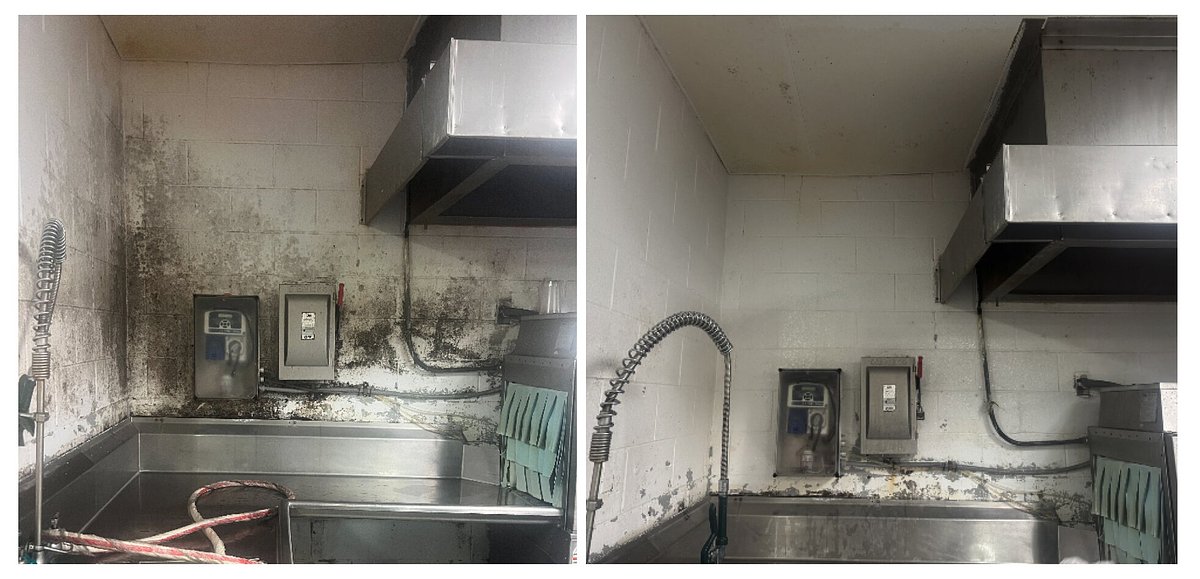
Jail's Cleaning Switch Slashes Infections, Offers Public Health Clues
WEST BATON ROUGE, La. – March 24, 2026 – A correctional facility in Louisiana is reporting a dramatic 62% reduction in infection-related medical complaints just one month after overhauling its cleaning protocols. The change? Swapping traditional bleach and chemical cleaners for a single, on-site generated disinfectant system. The results from the West Baton Rouge Parish Jail are providing compelling real-world data that could have significant implications for infection control far beyond prison walls, extending to hospitals, schools, and nursing homes.
Between mid-January and mid-February, medical staff at the facility logged 51 inmate medical requests for issues ranging from cold and flu-like symptoms to suspected staph infections and fungal conditions. In the 30 days immediately following the switch to the new system from ArrowClean on February 16, that number plummeted to just 19, despite a similar number of total medical tickets being processed. Facility officials stress that no other operational variables were altered during this period.
"Literally, the only change we made during those timeframes was replacing our chemical cleaners with the ArrowClean system," stated Captain Trevor McDonald, Warden of the West Baton Rouge Parish Jail, in a press release. "We went from using traditional products like bleach and commercial cleaners—and we saw a notable drop in complaints."
A High-Stakes Proving Ground
Correctional facilities are notoriously difficult environments for managing infectious diseases. High population density, constant turnover, shared surfaces, and limited opportunities for social distancing create a perfect storm for pathogens to spread rapidly. Public health experts often view jails and prisons as bellwethers for community health, where successful interventions signal robust and practical solutions.
The data from West Baton Rouge is stark. In the 30-day period before the switch, 51 of 385 medical tickets were for infection-related complaints. After the implementation, only 19 of 364 tickets met the same criteria. This 62.75% decrease in a high-risk, congregate setting provides a powerful case study that is often difficult to replicate in controlled laboratory settings. The success in such a challenging environment underscores the potential for significant impact in less demanding public spaces.
Warden McDonald also highlighted a critical operational benefit related to safety. "In our environment, products can be misused or even weaponized," he noted. "Having solutions with this level of safety and efficacy is a significant benefit for both staff and inmates." This speaks to a broader institutional need for products that are not only effective but also reduce ancillary risks.
The Science of a Safer, Faster Clean
The technology at the heart of the change is an on-site generation system that produces a disinfectant and a cleaner using just salt, water, and electricity. The active ingredient produced is hypochlorous acid (HOCl), a powerful antimicrobial agent that is also naturally created by the human immune system to fight infection. This makes it exceptionally effective against a broad spectrum of bacteria, viruses, and fungi while remaining non-toxic and hypoallergenic.
One of the most significant departures from traditional cleaning protocols is the system's one-step, one-minute contact time. Many widely used hospital-grade disinfectants, such as those based on bleach or quaternary ammonium compounds (QACs), require surfaces to remain wet for up to 10 minutes to be effective. In a busy, high-turnover environment, achieving such long contact times is often impractical, leading to inconsistent disinfection and a false sense of security. A one-minute dwell time drastically improves the likelihood of proper application and compliance, ensuring that surfaces are actually disinfected.
Furthermore, unlike harsh chemicals that can cause respiratory irritation and require areas to be vacated during use, the solution is safe for use in occupied spaces. It breaks down into simple salt and water after use, leaving no toxic residue. This aligns with a growing demand across all sectors for greener, more sustainable cleaning solutions that protect both human health and the environment.
Beyond the Prison Walls: A Blueprint for Public Health
Experts have long emphasized that correctional health is public health. Outbreaks that begin within incarcerated populations can easily spread to the wider community through staff, visitors, and released individuals. The striking results at the West Baton Rouge Parish Jail are therefore being viewed as a potential blueprint for other congregate settings where vulnerable people live and work.
"When a high-risk, high-density environment sees this level of reduction, it raises an important question about what's possible in schools, hospitals, and long-term care settings," said Rayne Guest, CEO of ArrowClean. "There is a clear opportunity to improve outcomes for patients, students, and other vulnerable populations."
The implications for healthcare are particularly profound. Healthcare-Associated Infections (HAIs) are a major cause of patient morbidity and mortality, costing the U.S. healthcare system billions of dollars annually. A system that simplifies disinfection, improves compliance, and is safe for use around medically fragile patients could be a game-changer in this ongoing battle.
Similarly, in schools, frequent disinfection is key to reducing absenteeism among students and staff. In long-term care facilities, where residents are highly susceptible to infection, a non-toxic yet powerful disinfectant could dramatically improve quality of life and reduce strain on staff and resources.
Disrupting a Multi-Billion Dollar Market
The institutional cleaning and disinfectant market is a massive industry dominated by legacy chemical companies. ArrowClean's approach represents a potential disruption by shifting the model from purchasing and shipping consumable chemicals to producing them on-site as needed. This not only reduces logistical complexity and storage needs but also lowers the environmental footprint associated with transportation and plastic waste.
However, navigating the regulatory landscape is critical. In the United States, any substance marketed with claims that it kills germs must be registered with the Environmental Protection Agency (EPA). While the on-site generation devices themselves fall under one category, the disinfectant solution they produce requires its own EPA registration to validate its efficacy claims. Companies in this space must secure these registrations to fully compete with established products from giants like Ecolab and CloroxPro, some of which also offer products with one-minute contact times.
As institutions face increasing pressure to improve health outcomes, enhance safety, and operate more sustainably, the demand for innovative solutions is growing. The compelling results from a parish jail in Louisiana may be more than just a local success story; they could signal a fundamental shift in how we approach the vital task of keeping our shared spaces clean and safe.