
- 15 minutes faster: Clinical trial showed subjects fell asleep an average of 15 minutes faster using CELLIANT-infused bedding.
- 11 peer-reviewed studies: CELLIANT technology is supported by a portfolio of 11 peer-reviewed published studies.
- 100% recycled materials: The liner is made with REPREVE, a high-performance polyester from post-consumer plastic bottles.
Experts in materials science, sleep medicine, and photobiology endorse the CELLIANT technology as a scientifically validated advancement in muscle recovery and sleep quality for outdoor enthusiasts.
Infrared Tech Meets the Trail: A New Era for Outdoor Recovery
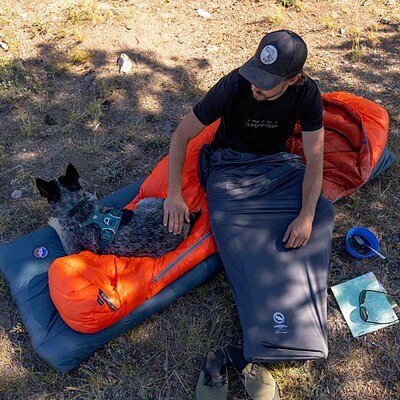
LOS ANGELES, CA – March 31, 2026 – For decades, comfort in the backcountry was measured in loft, weight, and warmth. Now, a new metric is entering the campsite: physiological recovery. In a move that signals a significant shift in outdoor gear innovation, materials science company Hologenix and esteemed equipment brand Big Agnes have joined forces to launch the UL Recovery Sleeping Bag Liner, a product that promises not just a better night's sleep, but a scientifically enhanced one.
This first-of-its-kind liner integrates Hologenix’s flagship CELLIANT® technology, a textile innovation designed to convert body heat into infrared energy. The collaboration aims to tackle one of the oldest challenges for hikers, climbers, and campers: waking up with enough energy and physical readiness to do it all again. By embedding this advanced textile science into a staple piece of gear, the partnership is betting that the future of outdoor adventure lies in actively recuperating while you rest.
The Science of Backcountry Sleep
At the heart of the new liner is CELLIANT technology, a complex blend of natural, ethically sourced minerals embedded directly into the core of the fabric's fibers. The mechanism, while sounding futuristic, is based on established principles of photobiology. As the user’s body emits heat, the CELLIANT minerals absorb this thermal energy and convert it into infrared (IR) energy, which is then reflected back to the body’s tissues and muscles.
This isn't just marketing jargon. The efficacy of CELLIANT is supported by a portfolio of 11 peer-reviewed published studies. Research has demonstrated that this returned IR energy can temporarily increase local circulation and improve cellular oxygenation. A clinical trial involving shirts made with CELLIANT fiber, for instance, showed a significant increase in transcutaneous oxygen levels and a notable improvement in grip strength compared to a placebo. Another pilot study indicated that bedding infused with the technology helped subjects fall asleep an average of 15 minutes faster. This research is overseen by a dedicated Science Advisory Board of experts in fields like nanotechnology, sleep medicine, and photobiology, lending significant credibility to the claims.
For the outdoor enthusiast, these benefits translate into tangible advantages. Improved local circulation and oxygenation are critical for muscle recovery after a long day of exertion. The technology also promotes thermoregulation, helping the body maintain a stable temperature, which is crucial for deep, uninterrupted sleep in fluctuating backcountry conditions. Because the minerals are permanently infused into the fibers, the benefits won't wash out or degrade over the product's lifetime.
A Partnership Forged in Performance and Comfort
The collaboration is a strategic alignment of two industry leaders from different worlds. Hologenix, a California-based materials science company, is at the forefront of developing “bio-responsive textiles.” Seth Casden, founder and CEO of Hologenix, sees this as the next evolution in fabric. "Every outdoor enthusiast knows that when you're sleeping under the stars, waking up feeling rested and recovered can be the difference between an average day and a great day," he stated.
To bring this technology to the trail, Hologenix needed a partner with an impeccable reputation for quality and a deep understanding of the outdoor consumer. They found that in Big Agnes. Founded in 2001 in Steamboat Springs, Colorado, and often called "The Mother of Comfort," Big Agnes has built its brand on solving practical problems for adventurers. With a trophy case full of Backpacker Magazine Editor’s Choice awards and a dominant market position in tents and sleeping bags, the company is known for its durable, innovative, and user-centric designs.
"We partnered with Big Agnes to introduce CELLIANT technology into their products because of their outstanding reputation for high quality outdoor gear that their customers can depend on when it counts," Casden added. This sentiment is echoed by the team at Big Agnes. "Incorporating CELLIANT infrared technology into this new liner not only makes for a more comfortable sleep environment but also adds a new level of muscle recovery, which is perfect for athletes," said Michael Thompson, Director of Design and Development at Big Agnes.
Redefining Gear with Sustainability at its Core
Beyond performance, the UL Recovery Sleeping Bag Liner is a testament to a growing trend in the outdoor industry: sustainability as a core feature, not an afterthought. The liner is crafted with CELLIANT with REPREVE, a high-performance polyester made from 100% recycled materials, including post-consumer plastic bottles.
REPREVE is more than just a name; it represents a verifiable commitment to reducing environmental impact. The material is certified by the Global Recycled Standard (GRS) and OEKO-TEX®, ensuring its recycled content is traceable and that it is free from harmful substances. This choice directly addresses the values of a growing number of “purpose-driven” consumers who demand their gear not only perform well but also align with their environmental ethics.
This commitment to sustainability is deeply embedded in both companies' DNA. Since 2007, Big Agnes has integrated sustainable practices into its operations, from powering its U.S. facilities with 100% renewable energy to using water-saving solution-dyed fabrics and ensuring all its down products meet the Responsible Down Standard (RDS). Hologenix, for its part, emphasizes a low-impact supply chain and ethically sourced minerals. This shared ethos makes the collaboration feel less like a simple licensing deal and more like a shared mission to innovate responsibly.
More Than a Liner: Practical Innovation for the Modern Adventurer
While the infrared technology is the headline feature, the UL Recovery Sleeping Bag Liner excels in the practical details that Big Agnes is known for. It is designed to fit into most sleeping bags, providing a hygienic and easily washable layer that protects the main bag from dirt and body oils. The fabric is quick-drying and highly packable, making it an easy addition to any pack. In warm weather, it can even be used as a standalone sleep cover.
While competitors like Sea to Summit and Therm-a-Rest offer excellent liners focused on adding warmth or improving hygiene, the Big Agnes and Hologenix product carves out a new niche. It reframes the sleeping bag liner from a simple accessory to an active piece of recovery equipment. Priced at $99.95 and available through major retailers like REI and Backcountry.com, it targets the serious adventurer willing to invest in performance and well-being.
This product represents a convergence of wellness trends, material science, and outdoor passion. By integrating active recovery into the passive hours of sleep, Hologenix and Big Agnes are not just selling a product; they are offering a new way to approach and extend the limits of outdoor exploration.