
- 200+ acres burned by the Upriver Fire, with 10% containment as of June 17, 2026.
- 15 homes destroyed, with 1 resident presumed deceased.
- 30 days of free storage offered by U-Haul at six local facilities for evacuees.
Experts would likely conclude that U-Haul's targeted logistical support fills a critical gap in disaster recovery, demonstrating how corporate resources can complement traditional aid efforts in restoring stability to affected communities.
In the Ashes of the Upriver Fire, A Corporate Lifeline Emerges
SPOKANE COUNTY, WA – June 18, 2026 – The air in eastern Spokane County is thick with more than just smoke. It’s heavy with the weight of loss, uncertainty, and the acrid smell of a community upended. The Upriver Fire, a fast-moving blaze deemed human-caused, has torn a scar across more than 200 acres of land, leaving a trail of devastation that is only now coming into full view. As of yesterday, with the fire only 10% contained, at least 15 homes were confirmed destroyed, a tragic figure that fails to capture the full scope of shattered lives and displaced families. One resident is presumed deceased, a grim reminder of the fire’s ultimate toll.
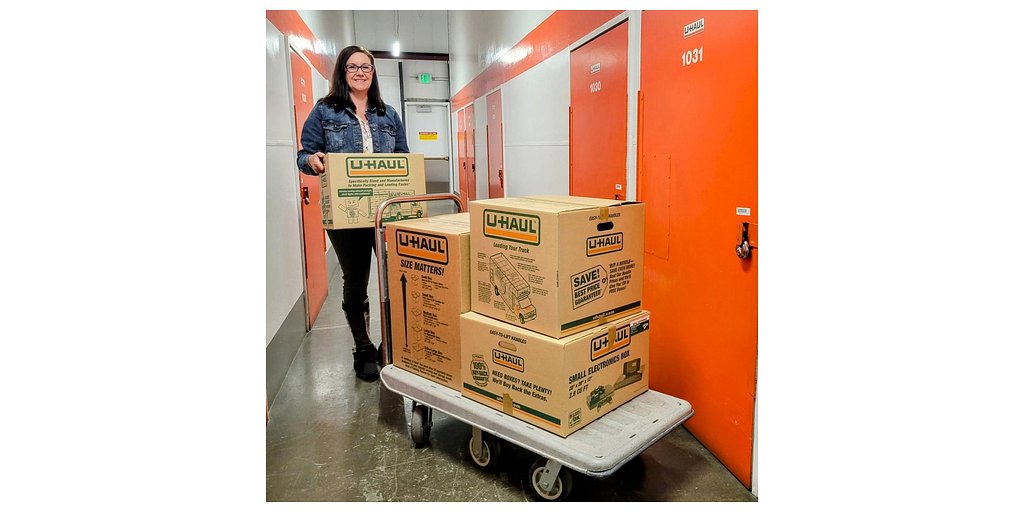
Amidst the chaos of Level 3 "Go Now!" evacuation orders that forced thousands from their homes and the tireless efforts of firefighters battling the flames, a different kind of response emerged—one not from a government agency or a traditional non-profit, but from the corporate world. U-Haul, the ubiquitous presence on North American highways, announced it was offering 30 days of free self-storage and U-Box container use at six local facilities for residents impacted by the fire. It’s a gesture that, on the surface, seems like a simple act of charity. But in the complex ecosystem of disaster recovery, it represents a critical, often overlooked, logistical lifeline—a small anchor of stability for those whose worlds have been set adrift.
A Lifeline Amidst the Ashes
When an evacuation order comes, there is no time for careful consideration. It is a moment of pure, adrenalized triage. Families are forced to make impossible choices in minutes: what to grab, what to leave behind, what holds monetary versus sentimental value. The answer, for many, is a frantic collection of pets, vital documents, and whatever irreplaceable keepsakes can be carried.
For the residents whose homes stood in the path of the Upriver Fire, this chaotic exercise was a stark reality. For those who lost everything, the pain is absolute. For others, whose homes were damaged or who managed to evacuate with more of their possessions, a new and immediate problem arises: where do you put it all? A car trunk can only hold so much. The floor of a relative's spare room or a hotel room is a temporary, and often untenable, solution.
This is where an offer of a simple, empty, 10x10-foot space becomes profoundly significant. "It's about giving people back a small measure of control when everything else feels uncontrollable," explained a local disaster response coordinator, speaking on the condition of anonymity. "You can't rebuild your house in a day, but you can securely store the photo albums, the heirlooms, the kids' favorite toys you managed to save. That's not just about logistics; it's about mental and emotional preservation."
U-Haul’s offer directly addresses this pressing need. By opening its doors at facilities across Spokane and Spokane Valley, the company provides a secure, accessible space for evacuees to store their belongings, freeing them to focus on more immediate concerns like finding temporary housing and navigating the labyrinth of insurance claims and aid applications. It allows a family sheltering in a single motel room to avoid living amongst teetering boxes, creating a sliver of normalcy in an abnormal time. It is a practical solution that alleviates a tangible burden, demonstrating a clear understanding of the secondary crises that follow in a disaster's wake.
The Unseen Burdens of Displacement
The flames of a wildfire are the visible part of the disaster. The unseen part is the logistical nightmare that begins the moment an evacuee closes their car door and drives away. This "second disaster" is a grueling marathon of paperwork, phone calls, and uncertainty. It is the slow, grinding process of recovery that unfolds long after the media crews have left and the national attention has moved on.
For the victims of the Upriver Fire, this marathon has just begun. They face the challenge of finding temporary shelter, replacing essential documents, and beginning the arduous process of rebuilding. In this context, the problem of "stuff" becomes a significant hurdle. What does a family do with the contents of their home if the structure is still standing but is unsafe or inaccessible within an evacuation zone? How do you even begin to sort through salvaged, smoke-damaged items without a place to do so?
Corporate initiatives like the free storage offer provide a crucial piece of the recovery infrastructure. The availability of portable U-Box containers, for example, means a family might be able to load their belongings on-site and have them stored securely, all in one go. This bypasses the need for multiple trips, truck rentals, and the physical strain of moving items multiple times during an already exhausting period. It’s a recognition that for a displaced person, every saved step, every consolidated effort, is a monumental relief.
This type of support plugs a gap that government aid and traditional charity often aren't equipped to fill. While organizations like the Red Cross excel at providing immediate shelter, food, and water, the logistical management of personal property has not historically been their primary focus. The state’s request for a FEMA grant will help offset the massive cost of firefighting, but individual aid is a slower, more complex process. By leveraging its core business assets—empty storage units and a vast transportation network—U-Haul is stepping into a specific, vital role within the broader aid ecosystem.
A Pattern of Corporate Citizenship
U-Haul's response in Spokane County is not an isolated act of goodwill. It is the activation of a well-established corporate policy. As an official American Red Cross Disaster Responder, the company has a long history of making its facilities available during emergencies, from hurricanes on the Gulf Coast to tornadoes in the Midwest and wildfires across the West. This consistency suggests a foundational commitment to community aid that is integrated into its business model.
With over 24,000 rental locations and as the third-largest storage operator in North America, the company possesses a unique and powerful capacity to deploy aid quickly. Unlike a relief organization that needs to mobilize and transport resources to a disaster zone, U-Haul's resources are often already in place, embedded within the affected communities. This allows for an immediate, on-the-ground response that can make a difference within hours of a disaster striking.
The company’s press release also points to a thoughtful consideration of the long-term nature of recovery. The initial 30-day free period is a critical stopgap, but rebuilding from a fire takes months, if not years. By highlighting its 1-Year Price Lock for customers who may need storage beyond the initial month, the company acknowledges this reality, offering a degree of financial predictability in a time of extreme financial uncertainty. It bridges the gap between immediate crisis relief and the long, slow journey back to stability.
This model of corporate social responsibility, where a company leverages its primary assets and expertise to address a social need, represents a growing and vital trend. It moves beyond simple cash donations to provide tangible, specialized support that aligns with the company's core function. In a world where communities are facing increasingly frequent and intense climate-related disasters, this kind of integrated, predictable corporate response is more necessary than ever.
As firefighters continue their work to contain the Upriver Fire and the full extent of the damage is assessed, the community's focus remains on safety and immediate needs. The evacuation center at the Spokane Valley United Methodist Church is a hub of human support, a testament to the resilience of neighbors helping neighbors. The actions of companies like U-Haul are another crucial thread in this complex tapestry of recovery, demonstrating that when a community faces its darkest hour, help can and does arrive from many different directions.