
- 20,000+ calls annually to the Cancer Support Community helpline
- 25,000 activities handled in 2023 from 4,600+ new callers
- 80%+ boost in campaign recall with cause-specific vanity numbers
Experts agree that leveraging nostalgia through the iconic 867-5309 number is a highly effective strategy to improve accessibility and recall for cancer support services, potentially saving lives by shortening the time from diagnosis to support.
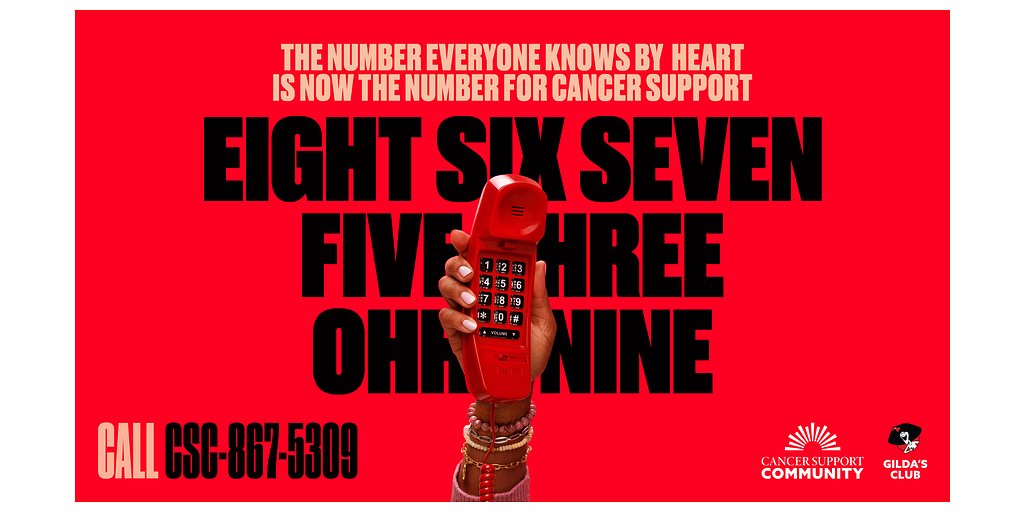
Iconic 867-5309 Number Becomes Lifeline for Cancer Patients
WASHINGTON – March 17, 2026 – One of pop music's most enduring and unforgettable phone numbers is being repurposed from a catchy earworm into a critical lifeline. The global nonprofit Cancer Support Community (CSC) announced today it has adopted the famous digits from Tommy Tutone's 1982 hit, "867-5309/Jenny," to serve as the new number for its national cancer support helpline.
Effective immediately, anyone impacted by cancer—from patients and survivors to caregivers and loved ones—can dial CSC-867-5309 (272-867-5309) to connect with trained specialists for free, confidential support. The initiative, created in partnership with health marketing agency Klick Health, represents a bold strategy to leverage cultural nostalgia to make vital assistance more memorable and accessible than ever before.
An Unforgettable Number for an Urgent Need
The core idea behind the campaign is elegantly simple: in a moment of crisis, a familiar number is easier to recall. For decades, 867-5309 has been lodged in the collective consciousness, a random string of digits made famous by a three-minute pop song. Now, that built-in memorability is being harnessed to bridge the gap between a cancer diagnosis and the support systems people desperately need.
"Our Helpline receives over 20,000 calls annually from people seeking hope and connection during the times they need it most," said Sally Werner, CEO of Cancer Support Community, in a statement. "By anchoring CSC-867-5309 into the public consciousness, we're ensuring that when someone is impacted by cancer, Cancer Support Community and Gilda’s Clubs are the first place they turn to.”
This initiative addresses a common challenge highlighted by patients and caregivers: the difficulty of navigating a complex healthcare system while under immense emotional and physical stress. "Patients and caregivers told us they wished they’d found CSC’s Helpline sooner," explained Klick’s Chief Creative Officer Rich Levy. "By pairing it with a number everyone already knows, we’re helping shorten the distance from diagnosis to support."
The strategy is a masterclass in using nostalgia for social good, transforming what Levy calls an "iconic earworm into a direct line to care." It acknowledges that the journey through cancer is filled with uncertainty, and a simple, memorable point of contact can provide an invaluable anchor.
Scaling Up a Proven Resource
The new number doesn't create a service from scratch; it puts a memorable new face on a well-established and highly effective operation. The Cancer Support Community's helpline is already a robust national resource, handling tens of thousands of interactions each year. In 2023 alone, the service managed nearly 25,000 activities from over 4,600 new callers.
Callers, who are primarily patients or their family members, reach out from across the country, with the highest volumes coming from populous states like California, Florida, and Texas. They seek guidance on a wide spectrum of challenges that extend far beyond medical treatment. The most common reasons for calling include navigating financial stressors like health insurance and medical bills, finding lodging during treatment, and coping with the profound emotional toll of a diagnosis, including depression and anxiety.
The impact of this support is significant. Internal studies conducted by CSC's research arm have shown that its services improve quality of life by boosting emotional well-being, fostering social connection, and increasing confidence in coping with the disease. Post-call surveys consistently reflect high satisfaction, with callers praising the helpline's navigators for their empathy and the quality of the information provided. The new, unforgettable number is designed to bring this proven support system to a much wider audience who may not know it exists.
The Surprising Second Act of 'Jenny'
When Tommy Tutone lead singer Tommy Heath and his band recorded "867-5309/Jenny," they created a cultural phenomenon that has lasted for over four decades. The number became a source of endless prank calls and a recurring pop culture reference, with some phone companies even declaring the number unusable in certain area codes. One radio station that acquired the number in the 80s reportedly received 22,000 calls in just four days.
Now, that same viral potential is being channeled for a positive cause, a development the song's original artist has enthusiastically embraced.
“When we recorded ‘Jenny/867-5309,’ none of us imagined that number would still be stuck in people’s heads decades later,” said Heath. The singer, who has had his own minor battle with skin cancer and has seen relatives face the disease, sees this new chapter as a powerful legacy for the song. “If that little piece of pop culture can now help someone remember Cancer Support Community’s and Gilda's Club's Helpline and connect them to real people, real community, and real support, that’s incredibly meaningful to us.”
This repurposing marks a poignant evolution for the famous digits, transforming them from a novelty into a symbol of hope and accessibility for millions.
A New Model for Non-Profit Marketing
The CSC-867-5309 campaign is a standout example of a growing trend in the non-profit sector: using creative, data-driven marketing strategies to cut through a crowded media landscape. The use of "vanity numbers" is a proven tactic, with research showing that cause-specific numbers can boost campaign recall by over 80% and increase call volumes significantly. Numbers like 1-800-FEED-KIDS have long demonstrated the power of a memorable contact point.
By acquiring one of the most famous phone numbers in history, CSC has taken this strategy to a new level. The campaign taps into the powerful psychological effects of nostalgia, which marketing experts know can forge strong emotional bonds with an audience by evoking shared memories and positive feelings. While brands from McDonald's to Lancôme have successfully used nostalgia to sell products, CSC is using it to offer a free, life-changing service.
This innovative approach is backed by a foundation of organizational credibility. The Cancer Support Community holds a top 4-star rating from Charity Navigator and is a GuideStar Exchange Gold Participant, signifying a deep commitment to financial health and transparency. This ensures that the increased attention and engagement generated by the campaign will be directed toward a trustworthy and effective organization. As non-profits increasingly compete for public attention, this blend of creative marketing and proven impact may offer a new blueprint for success.
The campaign's ultimate goal is simple but profound: to ensure that no one has to face cancer alone. By making the first step toward finding help as easy as remembering an old song, the Cancer Support Community is making that goal more achievable.