
- Tina's Age: 59 years old, suffering from a life-threatening uterine infection.
- Tulsa Zoo's Ranking: Listed as one of the '10 Worst Zoos for Elephants' in 2025 by In Defense of Animals (IDA).
- Billy's Invasive Procedures: Underwent over 50 sperm extractions in Los Angeles.
Experts argue that the transfer of Billy and Tina to the Tulsa Zoo for breeding purposes has exacerbated their health issues, and advocate for their relocation to a sanctuary to alleviate psychological distress and improve their well-being.
Hollywood's Roar: Jackson Fights for Ailing Elephants, Ignites Zoo Debate
TULSA, OK – March 27, 2026 – A contentious battle over the fate of two elephants has drawn in one of Hollywood’s biggest stars, escalating a tense standoff between animal advocates and the American zoo establishment. Actor Samuel L. Jackson has issued a public plea for the Tulsa Zoo to release Asian elephants Billy and Tina to a sanctuary, a call amplified by the news that Tina, 59, is suffering from a life-threatening uterine infection.
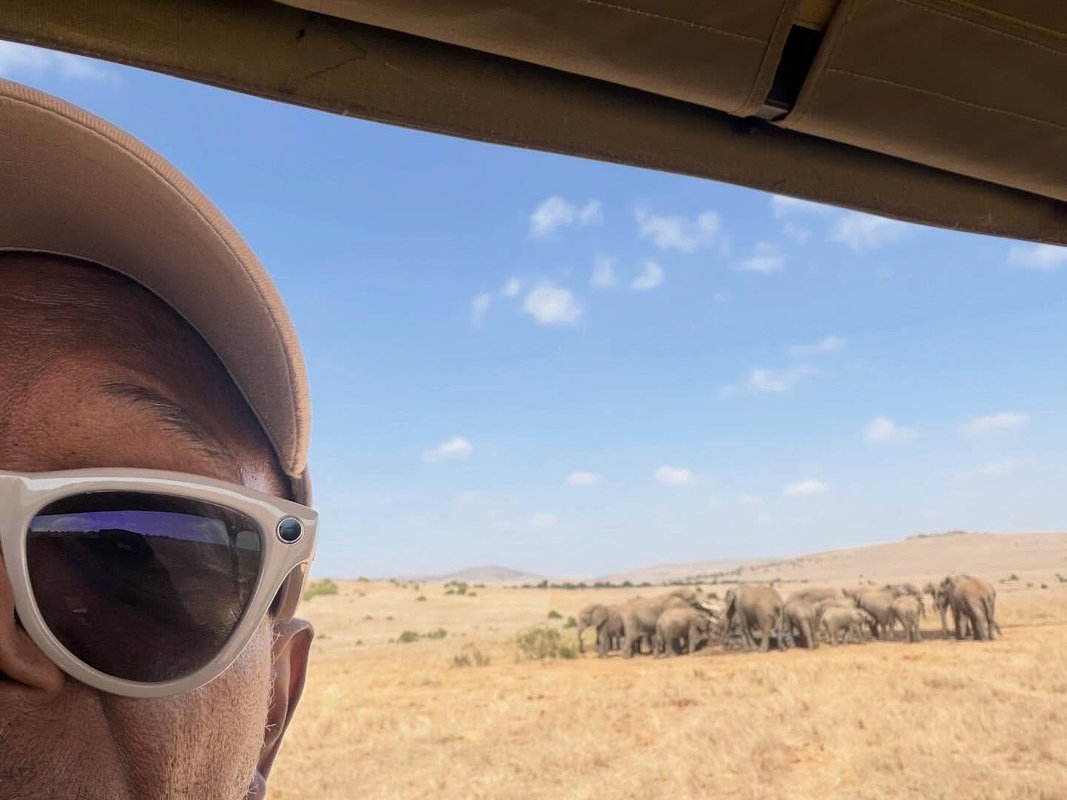
“Time is running out!” Jackson declared in a statement with the animal protection organization In Defense of Animals (IDA). The actor, who recently visited an elephant sanctuary in Kenya, is leveraging his global platform to spotlight a controversy that began with a clandestine, late-night transfer and now centers on a life-or-death health crisis.
A Controversial Transfer
The story of Billy, 40, and Tina, 59, is a bi-state saga of protest and heartbreak for activists. For over three decades, Billy was a famous resident of the Los Angeles Zoo. But in May 2025, Angelenos and animal welfare groups who had long campaigned for the pair’s retirement to a sanctuary discovered their enclosure was empty. The LA Zoo had secretly transported them to the Tulsa Zoo.
The move was justified by the Los Angeles Zoo as a necessity to comply with the Association of Zoos and Aquariums (AZA) accreditation standards, which require social elephants to be housed in groups of at least three. After the deaths of two other elephants, Billy and Tina were the last remaining at the LA Zoo. Officials stated the Tulsa Zoo was the top recommendation from the AZA’s Elephant Species Survival Plan (SSP), a program that manages the breeding and placement of elephants in accredited zoos.
However, advocates decried the transfer as a betrayal. “Billy and Tina are at the center of a bi-state controversy,” said Fleur Dawes, Director of Communications for In Defense of Animals. “Their clandestine move in May 2025 betrayed scores of Los Angeles activists, celebrities, city and state officials, and attorneys who fought for years to have the long-suffering elephants retired to a sanctuary.”
A Health Crisis and a 'Worst Zoo' Designation
The urgency of the campaign has intensified dramatically with the decline in Tina’s health. Tulsa Zoo veterinarians are treating her for a severe uterine infection, a chronic condition they acknowledge is difficult to resolve, especially in an aging animal. For advocates, Tina’s illness is a predictable consequence of a stressful environment.
This situation is compounded by the Tulsa Zoo’s recent inclusion on IDA’s “10 Worst Zoos for Elephants” list for 2025—its second time on the list. The report cites a “high-mortality breeding program” and claims that the zoo’s highly-touted 10-acre “preserve,” which opened in November 2025, is inadequate for its seven resident elephants. Video captured by activists reportedly shows both Billy and Tina exhibiting “zoochotic” behaviors—endless, repetitive swaying and head bobbing, which are widely recognized by veterinarians as indicators of profound psychological distress and potential brain damage from chronic stress.
“It’s not surprising to any of us that Tina’s health is failing at the Tulsa Zoo,” said Courtney Scott, an elephant consultant with IDA. “True compassion would be sending Tina and her longtime buddy, Billy, to an elephant sanctuary. This really is a no-brainer.”
The Sanctuary Alternative
At the heart of the activists' demands is a fundamentally different model of care. Two separate, accredited sanctuaries have offered to provide Billy and Tina with a permanent home. While zoos often focus on public exhibition and captive breeding, sanctuaries like The Elephant Sanctuary in Tennessee and the Performing Animal Welfare Society (PAWS) in California prioritize providing rescued elephants with vast, naturalistic habitats where they can live with minimal human interference.
These facilities, often spanning thousands of acres, are closed to the public. They do not engage in breeding programs and instead focus on providing lifetime care for elephants retired from zoos and circuses. Their philosophy centers on allowing elephants to form natural social bonds and make their own choices, a stark contrast to the structured, and often stressful, life within a zoo exhibit.
“Billy and Tina have sanctuaries willing to take them in,” Jackson stated. “Continued exploitation and denial of their freedom is making them worse, and time is running out!”
A Debate on Breeding, Trauma, and Ethics
Instead of retirement, Billy and Tina were transferred to Tulsa to become part of a breeding program. Billy, who has already undergone more than 50 invasive sperm extractions in Los Angeles, could face more procedures in Tulsa. Advocates argue these programs treat elephants as commodities, subjecting them to stressful relocations and procedures for the chance to produce a baby elephant that boosts ticket sales.
Scientific reviews have shown that frequent transfers cause “transfer trauma” in elephants, drastically increasing their risk of premature death. Furthermore, breeding loans have been linked to the spread of diseases like elephant tuberculosis, a leading cause of death in captivity.
Miss World Chile, Ignacia Fernández, also joined the call, stating, “Zoos breed elephants into lives of impoverishment. Born as prisoners, treated as playthings and profit-drivers, they fade away without ever truly living.”
The Tulsa Zoo has not yet issued a public response to Samuel L. Jackson’s plea. The institution is caught between the standards of its accrediting body, the AZA, and the mounting public pressure fueled by a powerful celebrity voice and the visible decline of an animal in their care. With more than 10,000 people having signed a letter to the zoo’s CEO, the fate of Billy and Tina has become a flashpoint in the national conversation about the ethics of keeping such intelligent, far-ranging animals behind bars.