
- 7,000 nits peak brightness: Hisense's RGB MiniLED TVs achieve over 7,000 nits, surpassing even the best OLED screens.
- 92% BT.2020 color coverage: Top-tier Hisense models cover over 92% of the demanding BT.2020 color space.
- 50% blue light reduction: RGB MiniLED technology reduces harmful blue light at the hardware level by up to 50%.
Experts would likely conclude that Hisense's strategic investment in RGB MiniLED technology and high-profile World Cup sponsorship is a calculated move to reposition itself as a premium innovator in the competitive consumer electronics market.
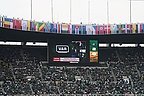
Hisense's World Cup Gambit: Tech, Turf, and the Battle for Your Living Room
NEW YORK, NY – June 13, 2026
As the first whistles of the FIFA World Cup 2026™ echo across North America, the most visible battles aren't just on the pitch. Along the sidelines, a different kind of competition is unfolding, one measured in brand recognition and technological supremacy. Chinese electronics giant Hisense has placed a massive bet on this global stage, leveraging its official sponsorship to launch a full-scale offensive aimed at conquering the premium home entertainment market. The strategy is built on a potent combination: the world's most-watched sporting event, an ambitious experiential marketing campaign in the heart of New York, and a proprietary display technology, RGB MiniLED, that it claims will redefine how we watch the beautiful game.
The company's pitch-side ads, broadcasting messages like "The Origin of RGB MiniLED TV," aren't just slogans; they are declarations of intent. This isn't merely about selling more televisions. It's a calculated, systems-based approach to disrupt the established hierarchy of consumer electronics, shifting Hisense's brand perception from a value-focused manufacturer to a top-tier innovator. By intertwining its product innovation directly with the passion of global football, Hisense is executing a playbook designed to win over hearts, minds, and ultimately, a commanding share of the living room.
Decoding the Display: The RGB MiniLED Advantage
At the core of Hisense's strategy is a significant technological claim. The company positions itself as "The Origin of RGB MiniLED," a title bolstered by the Consumer Technology Association's (CTA) recent recognition of "RGB LED" as a new display category, a standard Hisense was instrumental in establishing. This is more than marketing jargon; it represents a fundamental shift in LCD-based display engineering.
Unlike traditional MiniLED TVs, which use a backlight of blue LEDs filtered through a layer of quantum dots to produce color, RGB MiniLED uses discrete red, green, and blue LEDs as the direct light source. The practical implication for viewers is a leap forward in visual fidelity. This method eliminates the significant light and energy loss inherent in the filtering process, resulting in what Hisense calls its "Chromagic Technology." Independent analysis supports the benefits: the technology can achieve exceptionally high peak brightness levels, with flagship models like the 116UX hitting over 7,000 nits, dwarfing the capabilities of even the best OLED screens. This makes it ideal for viewing HDR content and for bright, day-lit living rooms where sports are often watched.
Furthermore, this architecture allows for a purer, wider color gamut. Some of Hisense's top-tier models are reportedly covering over 92% of the demanding BT.2020 color space, the highest measured for a consumer display. For watching a World Cup match, this translates to more vibrant turf, more accurate team colors, and a level of realism that closes the gap between watching at home and being in the stadium. The technology also inherently reduces harmful blue light at the hardware level by up to 50% and uses advanced AI algorithms to mitigate the "halo effect" or blooming around bright objects on dark backgrounds—a common complaint with backlit displays. While manufacturing costs for RGB MiniLED remain more than double that of conventional MiniLEDs, Hisense is betting that the visible performance advantages will justify the premium and cement its status as a technology leader, not just a follower.
The Global Playbook: Sponsorship as Strategic Weapon
Securing a high-profile sponsorship for the FIFA World Cup is an eye-wateringly expensive endeavor, likely representing a multi-hundred-million-dollar investment over the sponsorship cycle. For Hisense, this is not a speculative marketing expense but a critical component of a long-term global strategy. The company has methodically used sports marketing, including previous World Cup and UEFA European Championship sponsorships, to build brand awareness outside its home market. The 2026 tournament, hosted in the lucrative North American market, represents the culmination of this playbook.
The return on this investment is measured on several fronts. First is the sheer scale of brand exposure. With billions of cumulative viewers expected to tune in, the constant presence of the Hisense logo on pitch-side hoardings creates an invaluable association with a globally positive, premium event. This helps elevate the brand's perception and build trust in new markets. Second, it provides the perfect context to showcase its technology. Tying its "Origin of RGB MiniLED" message directly to the visceral excitement of world-class football creates a powerful and memorable narrative: if you want the best sports viewing experience, you need our technology.
Industry analysts note that this strategy is a classic move to "premiumize" a brand. By investing heavily in R&D for technologies like RGB MiniLED and then promoting them on the world's biggest stages, Hisense is working to reshape consumer perception. It's a direct challenge to established players like Samsung and LG, signaling that the competition is no longer just on price, but on performance and innovation. While the exact ROI is difficult to quantify publicly, Hisense’s continued and escalating investment in these top-tier partnerships indicates a clear internal conviction that the strategy is paying dividends in global market share and brand equity.
From Screen to Scene: Immersive Marketing in Action
Technology and global marketing are only two legs of the stool. The third, and perhaps most critical in today's experience-driven economy, is direct consumer engagement. Hisense’s week-long pop-up fan experience at New York's Hudson Yards is a masterclass in bringing a brand's promise to life. By moving beyond the screen, the company is aiming to create a holistic ecosystem of entertainment that reinforces its core message.
The pop-up is not a static showroom but an interactive environment. The collaboration with Adidas on football installations, the stadium-inspired display zones, and the digital graffiti activities are designed to create memorable, shareable moments. It allows consumers to physically interact with the brand in a context that is fun and emotionally resonant. Crucially, it provides a venue to demonstrate the power of its RGB MiniLED technology in an ideal setting, allowing visitors to see the difference for themselves. This tactile approach serves a vital business function: it bridges the gap between an abstract technological claim ("more natural color") and a tangible user benefit ("feeling like you're at the game").
This type of experiential marketing is increasingly vital for brands selling high-consideration products like premium televisions. It allows them to control the narrative, educate consumers, and build an emotional connection that a 30-second ad spot cannot replicate. By creating an event that is an attraction in its own right, Hisense is not just selling a product; it is selling an enhanced lifestyle and a deeper connection to the passions, like football, that matter to its customers. It's a sophisticated play that demonstrates an understanding that modern brand-building is about creating communities and experiences, not just shipping units.
The integrated nature of this campaign—from the labs developing Chromagic technology to the marketing teams negotiating with FIFA and the event planners building fan zones in Manhattan—showcases a company operating with a clear, unified vision. Hisense is signaling that it is no longer content to compete on the periphery; it is actively building a system designed to place it at the very center of the global consumer electronics landscape.