
- 20-look collection: The showcase features approximately 20 garments, each integrating Japanese symbolism and traditional textiles.
- 2017 founding: HIROMI ASAI has been building its reputation since its establishment in 2017, with presentations in major fashion capitals.
- Miami Art Week 2025: The collection debuts during this high-profile event, targeting art collectors and luxury connoisseurs.
Experts would likely conclude that HIROMI ASAI's innovative fusion of traditional Japanese kimono textiles with modern menswear redefines wearable art, positioning the brand at the forefront of sustainable luxury and cultural preservation in fashion.
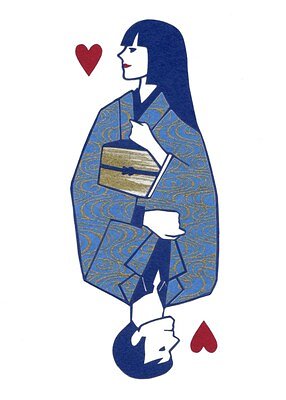
HIROMI ASAI: Weaving Kimono Art into Modern Menswear at Art Week
MIAMI, FL – December 05, 2025 – As the global art world descends upon Miami for its annual Art Week, a convergence of creativity, commerce, and culture, one designer is set to challenge the very definitions of fashion and fine art. At a highly anticipated runway show this Saturday, HIROMI ASAI will present a menswear collection that does not simply borrow from Japanese heritage but seeks to reposition its most sacred textiles as a vibrant, contemporary artistic medium. The brand's innovative approach—transforming museum-worthy kimono fabrics into precisely tailored menswear—represents a significant strategic pivot, moving beyond the runway and into the gallery space of wearable art.
Redefining Heritage: The Textile as the Starting Point
At the heart of HIROMI ASAI's philosophy is a radical inversion of the typical design process. Instead of starting with a silhouette and choosing a fabric to fit, designer Hiromi Asai begins with the textile itself. In Japan, the kimono textile has long been revered as an art form, a canvas for master artisans who practice centuries-old techniques like intricate yuzen painting or the weaving of sumptuous Nishijin brocades. These fabrics are not mere materials; they are cultural artifacts, each thread imbued with history, skill, and narrative.
Asai, a Tokyo-born designer and kimono stylist, has made it her mission to preserve this legacy not by encasing it in glass, but by giving it new life. By collaborating directly with master craftsmen in Japan, her brand develops original textiles that honor these time-honored methods. The innovation lies in what comes next. Rather than creating traditional kimono, which are defined by their iconic form, Asai translates the artistic expression of the fabric into sculptural, modern menswear. This act of translation is critical; it respects the textile's integrity while liberating it from its traditional shape, allowing it to move and function in a contemporary context. This approach elevates the garments from clothing to kinetic sculptures, where line, balance, and proportion are carefully considered to complement the human frame.
This focus on craftsmanship and material authenticity taps into a growing market demand for sustainable luxury—items with a deep story, verifiable provenance, and enduring value. By championing the artisans behind the textiles, HIROMI ASAI is not just selling a product; it is offering a piece of cultural history, reimagined for the 21st-century connoisseur.
Miami Art Week: A Strategic Canvas for Wearable Art
The decision to showcase this collection during Miami Art Week, powered by the influential Art Hearts Fashion platform, is a calculated strategic move. For years, the lines between the art and fashion worlds have blurred, with luxury houses like Gucci and Cartier using the event as a backdrop for immersive experiences and high-profile collaborations. Miami Art Week attracts an unparalleled concentration of high-net-worth individuals, art collectors, critics, and global tastemakers—an audience uniquely receptive to the concept of fashion as a collectible asset.
By presenting here, HIROMI ASAI bypasses the crowded, commercially driven schedules of traditional fashion weeks and instead enters a direct dialogue with the art world. It's a bold assertion that a tailored coat or a structured jacket can possess the same artistic merit and cultural resonance as a painting or sculpture. The venue, 555 Studios in the heart of the Wynwood arts district, further cements this positioning. The audience is not just attending a fashion show; they are witnessing a curated exhibition where the human body becomes the gallery wall.
This strategic positioning has significant market implications. It allows the brand to target a clientele that values rarity, craftsmanship, and narrative over fleeting trends. It also opens up new channels for distribution and valuation, where a garment's price is justified not by seasonal demand, but by its artistic and cultural significance, much like a piece of fine art. For investors and industry analysts, HIROMI ASAI's model presents a compelling case study in how heritage brands can innovate to capture new markets and redefine value in the luxury sector.
From Myth to Motif: The Narrative Woven into the Collection
The approximately 20-look collection promises to be a masterclass in visual storytelling. The garments are canvases for powerful Japanese symbolism, drawing from mythology, nature, and art history. A striking cape is inspired by Raijin and Fujin, the formidable deities of thunder and wind, whose dynamic energy is often captured in classical Japanese art. This mythic force is carried through the collection with sharply structured coats featuring double-dragon and cloud-dragon designs, motifs that symbolize power, protection, and good fortune.
These potent symbols are not merely printed on fabric; they are integral to the textile's creation, woven or painted with meticulous care. Even seemingly utilitarian pieces, like a pair of mist-shrouded overalls, are elevated with auspicious sashes, extending the collection's dynamic visual language.
The show's culmination is a tailored coat featuring the iconic Rinpa red and white plum blossoms motif. This design is a direct nod to the Rinpa school, a major historical movement in Japanese art known for its decorative, stylized approach to natural themes. The motif's prior recognition within the pages of VOGUE serves as an international stamp of approval, confirming its crossover appeal. In this single garment, centuries of Japanese artistic lineage converge with the precision of modern menswear tailoring. It is the ultimate expression of the brand's core belief, as stated by Hiromi Asai: "Kimono textiles are works of art in themselves. Our role is to bring that artistry into the present — shaping it through line, balance, and proportion so that menswear becomes a new site of artistic expression."
The Personal Thread: Art, Family, and Creative Evolution
Beyond the market strategy and cultural history, the collection is also informed by a deeply personal narrative. Designer Hiromi Asai reveals that time regained with her family during the recent global pandemic provided a unique source of inspiration. This period led to a different kind of creative output: a picture book titled Come Home Soon, published by her creative studio, Lunar Maria. Select artwork from this personal project will be integrated into the show's visual environment, adding another layer of intimacy and meaning to the presentation.
This connection between a personal, family-oriented project and a high-fashion collection speaks to a broader shift in consumer consciousness. Today's luxury buyer seeks not just quality but authenticity and a human connection to the products they invest in. By weaving elements of her personal creative journey into the show's narrative, Asai creates a more profound and relatable brand story.
This evolution is the latest chapter for a brand that, since its founding in 2017, has steadily built a reputation for its unique vision. With previous presentations in New York, Paris, Milan, and at the prestigious Pitti Uomo in Florence, HIROMI ASAI has consistently demonstrated its commitment to this singular mission. The Miami Art Week showcase represents a new pinnacle, a moment where the brand's dedication to craft, culture, and contemporary design will be presented on one of the world's most influential artistic stages, solidifying its place as a true innovator at the intersection of fashion and art.