
- 1,800 bags/hour: The new system can process up to 1,800 bags per hour, ensuring high throughput at Heathrow.
- 99% operational availability: The system promises over 99% uptime, reducing downtime and maintenance costs.
- ECAC Standard 3.1 compliance: The SeleCT system meets the latest global security standards for explosive detection.
Experts view Heathrow's adoption of Analogic's 4th-generation baggage screening technology as a strategic leap forward in airport security, combining advanced CT imaging, high operational efficiency, and future-proof AI integration to set a new industry benchmark.
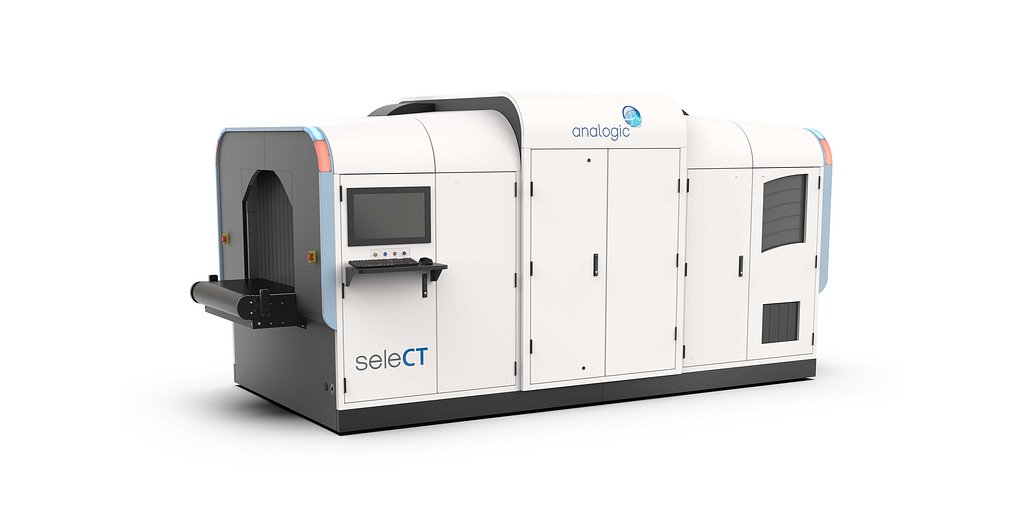
Heathrow Taps Analogic for Landmark Baggage Security Overhaul
SALEM, NH – March 17, 2026 – London's Heathrow Airport (LHR), one of the world's most critical aviation hubs, is set to undergo a significant transformation of its baggage security infrastructure. In a move signaling a new era of airport safety and efficiency, Heathrow Airport Limited (HAL) has awarded a major contract to U.S.-based Analogic Corporation to supply and install its latest generation of hold baggage screening systems.
The agreement, announced after a rigorous competitive procurement process, will see Analogic's 4th generation SeleCT Hold Baggage Screening (HBS) Explosive Detection Systems (EDS) integrated into Heathrow's sprawling baggage handling network. This initiative marks a pivotal step in the airport's ongoing modernization efforts, aiming to bolster security against evolving threats while streamlining operations to improve the passenger journey.
"We are honored to be selected by Heathrow Airport Limited for this significant project, which underscores our commitment to providing world-class security solutions," said Tom Ripp, CEO of Analogic Corporation, in a statement. "This partnership is a testament to our innovative technology and our team's dedication to excellence."
A New Generation of Security
At the heart of the landmark deal is Analogic's SeleCT EDS technology, which represents a substantial leap forward from conventional screening systems. The platform utilizes advanced Computed Tomography (CT) imaging, the same foundational technology used in medical scanning, to generate high-resolution, 3D images of every bag's contents. This allows security operators to digitally inspect baggage with unprecedented detail, rotating images 360 degrees to rapidly identify potential threats without the need for physical searches.
A key innovation highlighted by industry experts is the system's unique bearingless mechanical design. By replacing traditional, high-maintenance bearings with a more robust wheel-based system, Analogic promises operational availability of over 99%. This drastically reduces downtime and the total cost of ownership, critical factors for an airport that handles tens of millions of bags annually.
The system is designed for high-speed environments, capable of processing up to 1,800 bags per hour. This high throughput is essential for maintaining operational fluidity at Heathrow. Furthermore, the contract includes the deployment of Analogic's "Blue network," a sophisticated software platform that will connect the new screening equipment across terminals, providing integrated workstations for security operators, supervisors, and maintenance personnel to ensure seamless communication and data sharing.
This open-architecture system is also designed to be "future-proof." Analogic has entered a strategic partnership with Analytical AI to co-develop artificial intelligence-based threat detection algorithms. This allows the system to be upgraded in-situ to counter new and evolving security threats, a crucial factor in Heathrow's decision.
Heathrow's Strategic Modernization
The contract with Analogic is a cornerstone of Heathrow's multi-billion-dollar investment in security and infrastructure. The airport recently completed a £1 billion upgrade of its cabin baggage screening, rolling out new CT scanners that allow passengers to leave liquids and laptops in their hand luggage. This latest project with Analogic now brings that same level of technological advancement to the hold baggage system, creating a comprehensive, next-generation security shield.
The primary driver for this upgrade is the need to comply with and exceed stringent international regulations, most notably the European Civil Aviation Conference (ECAC) Standard 3. This standard mandates the use of advanced CT-based detectors to identify a wider range of explosive threats with a much lower rate of false alarms. Analogic's SeleCT system is approved to the latest Standard 3.1, placing Heathrow at the forefront of regulatory compliance.
Paul Evans, Security Technology Manager at Heathrow, praised the selection. "Their innovative technology platform and commitment to continuous development activities, safeguarding against future security detection standards, will play a crucial role in executing a successful EDS replacement project," he stated. Evans added that the goal is to provide customers "with the highest levels of safety and security when travelling from Heathrow, long into the future."
The decision also reflects the intense competition within the global aviation security market. Heathrow's cabin baggage upgrade was supplied by Smiths Detection, a major competitor to Analogic. By securing the hold baggage contract, Analogic has achieved a significant strategic victory, demonstrating the strength of its SeleCT platform in a head-to-head evaluation at a premier global airport.
The Ripple Effect on Global Aviation and Travelers
While passengers will not interact directly with the new hold baggage scanners, the benefits of this technological overhaul are expected to be tangible. The high accuracy and exceptionally low false alarm rates of the SeleCT system mean that fewer bags will be flagged for time-consuming manual inspections. This reduces the likelihood of baggage delays and the frustrating possibility of a bag missing its flight, contributing to a more reliable and less stressful travel experience.
The scale of this contract, while not publicly disclosed, is undoubtedly substantial. Similar agreements between Analogic and the U.S. Transportation Security Administration (TSA) for checkpoint scanners have been valued in the hundreds of millions of dollars. A project of this magnitude at one of the world's busiest airports solidifies Analogic's position as a dominant force in the global security market, which is projected to exceed $27 billion by 2031.
More importantly, Heathrow's adoption of this 4th generation technology sets a new benchmark for international airports. As other major hubs look to upgrade their own aging infrastructure to meet new security mandates and improve efficiency, Heathrow's choice will serve as a powerful case study. The successful deployment will likely create a ripple effect, influencing procurement decisions at airports across Europe, North America, and Asia.
By investing in a system that combines enhanced detection with operational efficiency and future-proof adaptability, Heathrow is not just buying equipment; it is building a security framework designed to last for decades. This partnership between a leading airport and a technology pioneer marks a critical step forward in the ongoing mission to make air travel safer and more seamless for everyone.