
- $1.5 billion: Assets under management by Zenyth Partners, the private equity firm backing the deal.
- 14%: Average increase in physician service prices after hospital acquisitions, per studies.
- 3-7 years: Typical timeframe for private equity firms to sell consolidated healthcare platforms for profit.
Experts would likely conclude that while the partnership offers physicians operational relief and growth opportunities, it raises concerns about rising costs, clinical autonomy, and long-term patient care quality under private equity influence.
Healthcare’s New Playbook: Why a Michigan Clinic’s Deal Matters for All
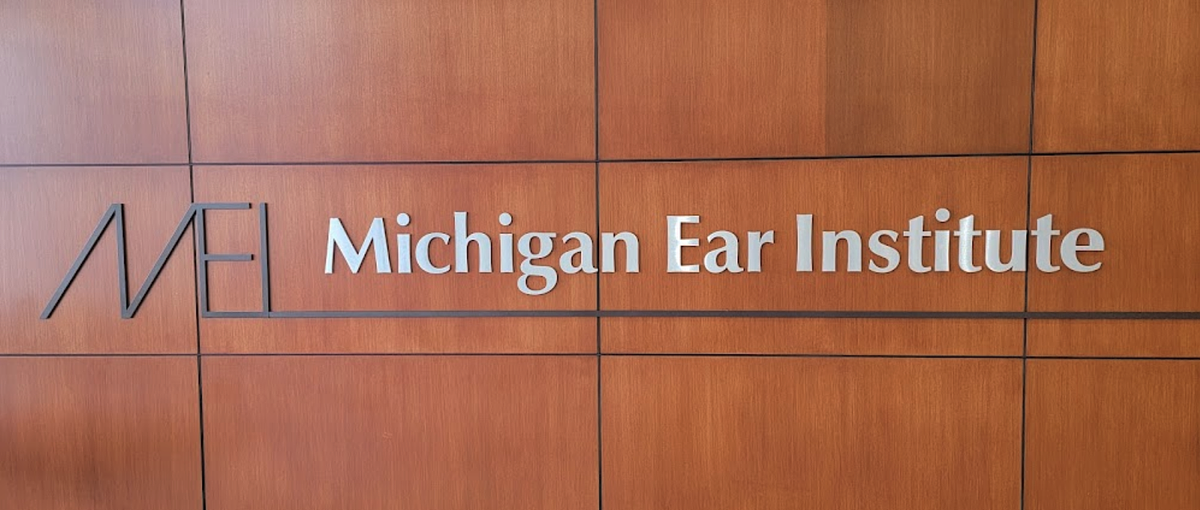
CHICAGO, IL – June 17, 2026 – On the surface, the announcement was standard corporate fare: Michigan Ear Institute (MEI), a highly respected specialty practice, entered into a strategic partnership with Align ENT & Allergy. The deal, advised by the healthcare investment banking firm Physician Growth Partners (PGP), promises to expand access to specialized ear, hearing, and balance care across Michigan and Ohio. But beneath this routine press release lies a story that illuminates one of the most powerful and disruptive forces reshaping American medicine: the rapid consolidation of independent physician practices fueled by private equity.
The transaction, which closed on March 25, is more than a local business development; it’s a case study in the new playbook for specialty healthcare. It reveals a complex landscape where physicians, facing immense administrative and financial pressures, are trading a degree of independence for the resources and stability offered by corporate partners. This shift carries profound implications for the cost of care, physician autonomy, and the very structure of how patients interact with their doctors.
The Anatomy of a Modern Healthcare Partnership
For decades, Michigan Ear Institute has been a clinical powerhouse. Headquartered in Farmington Hills, the practice built a national reputation from its four clinics in Michigan and Ohio, becoming one of the largest Otoneurology centers in the Midwest. Its team of nationally recognized physicians and audiologists handles everything from routine hearing loss to complex skull base surgery, earning praise from patients for life-changing outcomes.
Yet, even for a leading practice, the modern healthcare environment is fraught with challenges. Navigating reimbursement complexities, managing administrative overhead, and funding technological advancements and expansion requires a different kind of expertise. This is the gap that Align ENT & Allergy, a physician-led Management Services Organization (MSO), is designed to fill. Founded in 2022 and backed by the New York-based private equity firm Zenyth Partners, Align provides the strategic, operational, and administrative backbone, allowing its partner practices to focus on clinical care.
The decision to pursue such a partnership is never taken lightly. As Dr. Robert Hong, a Neurotologist and Partner at MEI, noted, the path to a deal is often a "long and complex process." He credited their advisory firm, Physician Growth Partners, for providing "steady, thoughtful guidance at every stage." Dr. Hong’s praise for PGP’s "strategic perspective and ability to navigate challenges" underscores the specialized financial acumen now required for physicians to secure their practice's future. These are no longer simple handshake agreements but intricate M&A transactions demanding expert navigation.
The Quiet Engine of Consolidation: MSOs and Private Equity
The partnership model offered by Align is emblematic of a tidal wave of private equity investment flowing into specialty medicine. The ENT and audiology sectors, historically fragmented with many small, independent practices, have become particularly attractive targets. They offer diverse revenue streams from ancillary services like allergy testing, hearing aid sales, and outpatient surgery centers, combined with growing demand from an aging population.
Private equity firms like Zenyth Partners don't typically buy clinics outright, a practice often barred by state laws preventing the corporate practice of medicine. Instead, they back MSOs like Align. The MSO acquires the practice's non-clinical assets and signs a long-term management contract to run the business side—billing, HR, marketing, and finance. This structure gives the PE firm financial control and a share of the profits while physicians retain ownership of their clinical entity and, ostensibly, their clinical autonomy.
Zenyth Partners, with approximately $1.5 billion in assets under management, has built its strategy on this model, describing itself as an "operationally focused investment firm" dedicated to building and scaling healthcare businesses. For PE firms, the goal is clear: consolidate a fragmented market, create economies of scale, improve operational efficiency, and eventually sell the larger, more valuable platform for a significant return, typically within a 3-7 year timeframe. As Michael Kroin, Managing Partner at PGP, stated, this partnership aligns MEI with a partner "well-positioned to support its next phase of growth," a clear nod to the capital and strategic support Zenyth and Align bring to the table.
Balancing Growth with Patient Care: The Great Debate
Proponents of this model argue it’s a win-win. Physicians are freed from administrative burdens that contribute to burnout. Practices gain access to capital they could never secure on their own, allowing them to upgrade technology, expand services, and compete with large hospital systems. Align ENT & Allergy, for its part, emphasizes that its partners maintain clinical autonomy and their individual practice styles, offering a path to growth without complete absorption into a faceless corporation.
However, a growing body of research and regulatory scrutiny paints a more complicated picture. Studies from leading academic journals and healthcare analysts have repeatedly linked provider consolidation—particularly involving private equity—to higher prices for patients and insurers. One analysis found that hospital acquisition of physician practices led to a 14% average increase in physician service prices. Critics worry that the PE model's focus on maximizing short-term returns can create incentives that don't always align with patient interests.
These concerns include the potential for "upcoding" or aggressive billing practices, the curtailment of less profitable services, and shifts in workforce composition. Research on PE-backed otolaryngology practices, for instance, has noted a trend toward a higher ratio of advanced practice providers (APPs) to physicians, a cost-saving measure that changes the care delivery model. While MSOs promise to protect clinical autonomy, the line between business and clinical decisions can blur when strategic direction and financial targets are set by a management entity with a fiduciary duty to its investors.
The MEI-Align partnership now sits at the heart of this national debate. It represents a strategic move by a successful physician group to secure its future in an increasingly corporate healthcare landscape. The infusion of capital and operational expertise from Align and Zenyth will undoubtedly fuel growth and expand MEI’s reach, likely bringing its high-level care to more patients. The critical question, for both this new entity and the hundreds like it forming across the country, is how to balance the drive for efficiency and profit with the foundational mission of medicine. The success of this partnership will be measured not just in expanded locations or increased revenue, but in its unwavering commitment to the quality of care and patient outcomes that built the Michigan Ear Institute's reputation in the first place.