
- $40 billion raised by GoFundMe over 15 years
- A donation made every 2.5 seconds on average
- $330 million funneled towards disaster relief in 2025
Experts would likely conclude that GoFundMe has become an essential, informal part of the global social safety net, reflecting both escalating economic hardships and the power of digital communities to mobilize rapid, decentralized support.
GoFundMe’s Billions: A Barometer for Global Need and Digital Generosity
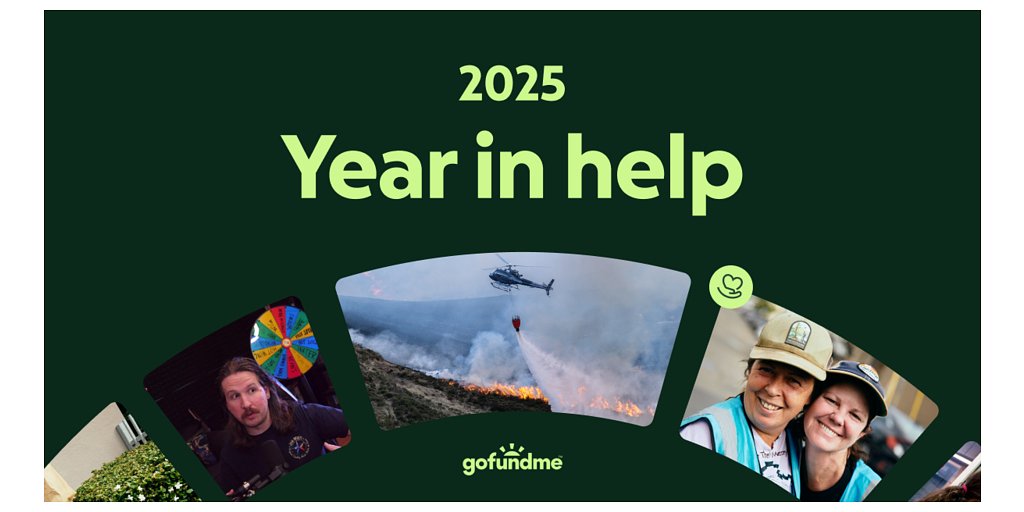
SAN DIEGO, CA – December 09, 2025 – As GoFundMe released its 2025 "Year in Help" report today, the numbers painted a familiar, yet intensified, picture: a world of escalating need met by an equally powerful wave of digital generosity. The crowdfunding giant, now marking 15 years and over $40 billion raised, reported that a donation was made on its platform every 2.5 seconds on average. But beyond the staggering volume, the data provides a crucial barometer for global economic anxieties and the evolving nature of social support systems.
The report details a platform buzzing with activity: over 47 million donations to individuals, 32 million to nonprofits, and a surge in fundraising for basic necessities. "GoFundMe is unique because it brings together people and nonprofits across 20 countries to help one another," said CEO Tim Cadogan in the release. "What we continue to see is that when needs grow, individuals and nonprofits respond with even more generosity." This response, however, isn't just about altruism; it's a strategic adaptation to a world where traditional safety nets are increasingly strained, forcing communities to build their own.
A Barometer for Economic Hardship
Perhaps the most telling trend in GoFundMe's report is the sustained growth in categories reflecting acute financial distress. Fundraising for "Monthly Bills" was among the fastest-growing categories, while essential-expense fundraising rose by another 20% in 2025. While this growth rate is less explosive than the 300% surge seen in the U.S. during 2024, its persistence signifies that the economic pressures of inflation and rising living costs have become a chronic condition rather than a temporary shock.
With recent economic data indicating that a significant portion of households are spending more than they earn, crowdfunding has transitioned from a tool for exceptional circumstances to a recurring supplement for daily survival. The platform is no longer just for medical emergencies or creative projects; it is now a critical resource for covering rent, utilities, and groceries. This shift positions GoFundMe as a real-time, ground-level indicator of societal vulnerabilities. When fundraisers for food banks become one of the top community causes, it speaks volumes about the gaps in public welfare and the direct, immediate way digital communities are stepping in to fill them. The data suggests that for millions, the social safety net is no longer woven by institutions alone, but is co-created tweet by tweet, share by share.
A Digital Lifeline in an Age of Crisis
The platform's role as a de facto support system extends far beyond personal finance. In a year where global economic losses from natural catastrophes surpassed $130 billion in the first half alone, GoFundMe funneled $330 million towards disaster relief. This highlights its function as a rapid-response financial tool, enabling aid to flow faster than many traditional, bureaucratic channels can manage. From wildfires to earthquakes, the platform empowers individuals and communities to mobilize resources almost instantaneously, creating a powerful form of shared, decentralized help.
This spirit of collective action is also reflected in the growing symbiosis between individual donors and formal nonprofits. The "Charity" category was the fastest-growing on the platform, with over 155,000 people starting a fundraiser for a nonprofit—nearly half of them for the first time. This trend blurs the lines between grassroots activism and institutional philanthropy. It's a strategic shift where the platform isn't just a passive donation portal but an active engine for community organizing, turning individual donors into powerful advocates and fundraisers for established causes. The report's finding that fundraisers were shared over 72 million times underscores the network effect that drives this modern form of mutual aid.
The Engine of Generosity: Tech's Role in Modern Philanthropy
Underpinning this massive scale of giving is a sophisticated and evolving technological strategy. GoFundMe's dominant 47% market share in the booming global crowdfunding industry is not accidental; it is maintained through continuous innovation designed to lower the barrier to both asking for and giving help. The company’s suite of AI-enabled tools, used over 70 million times to date, is a prime example. These tools help users craft more compelling narratives and share their stories more effectively, democratizing the art of fundraising for those who may lack marketing savvy.
Furthermore, the launch of new products like 'Giving Funds' signals a strategic move towards more structured and sustained philanthropy. By offering a simplified version of a donor-advised fund, GoFundMe is making tools once reserved for the wealthy accessible to the masses, encouraging a more planned approach to charitable giving. This, combined with social challenges that gamify activism—like inspiring participants to collectively run millions of miles for a cause—shows a deep understanding of modern engagement. The platform is no longer just facilitating transactions; it is building a comprehensive ecosystem for social impact that leverages technology to foster connection, competition, and collective action.
This technological prowess, combined with deep-seated cultural trends, helps explain the consistent patterns of giving seen across the globe. For the seventh consecutive year, Ireland was named the "Most Generous Country" based on donors per capita, a testament to a strong national philanthropic culture amplified by digital tools. As GoFundMe crosses its 15-year anniversary, its evolution from a simple donation website to a $40 billion global force reveals a fundamental truth: it has become an indispensable, if informal, part of our global social infrastructure, reflecting our deepest needs while simultaneously showcasing our profound capacity to meet them.