
- 320 to 360 tons of CO₂ eliminated annually by the four electric yard trucks
- $20,000 to $90,000 annual savings per truck from operational costs
- 97% uptime for electric yard trucks vs. 70-80% for diesel counterparts
Experts would likely conclude that GLS Canada's adoption of heavy-duty electric yard trucks sets a precedent for sustainable logistics, demonstrating both environmental and economic benefits while proving the technology's viability in harsh Canadian climates.
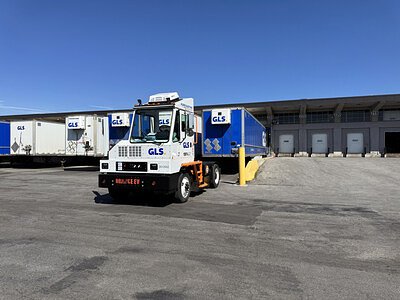
GLS Canada Electrifies Logistics with Heavy-Duty EV Yard Trucks
TORONTO, ON – April 06, 2026 – In a significant move toward decarbonizing the Canadian supply chain, parcel and freight carrier GLS Canada has deployed a fleet of heavy-duty electric yard trucks, becoming one of the first major carriers in the country to do so. By integrating four of Orange EV's HUSK-e® terminal trucks at its key logistics hubs in Montreal, Toronto, and Winnipeg, GLS is taking a tangible step to reduce its carbon footprint and pioneer a new standard for sustainable operations.
The deployment marks a critical milestone in an industry heavily reliant on diesel power. Yard trucks, or shunters, are essential workhorses in logistics, operating around the clock to move trailers within distribution centers. The switch to electric models directly tackles a significant source of emissions at the heart of the supply chain.
"We are proud to integrate four Orange EV electric shunters into our fleet in Montreal, Toronto, and Winnipeg," said Mélanie Camara, Director of Environment and Sustainability at GLS Canada. "This investment is part of our decarbonization journey in line with the Science Based Targets initiative and reflects our continuous commitment to reducing emissions, improving energy efficiency, and building a decarbonized operation for our employees, customers, and communities."
A Strategic Move Beyond Emissions
This initiative is far more than a pilot project; it is a calculated step in GLS Group's aggressive global decarbonization strategy. The parent company has committed to achieving net-zero greenhouse gas emissions across its entire value chain by 2045, a goal validated by the Science Based Targets initiative (SBTi). The near-term targets are equally ambitious, calling for a 42% reduction in absolute Scope 1 and 2 emissions by 2030 from a 2021 baseline.
With road transportation accounting for approximately 90% of the company's carbon emissions, fleet electrification is not just an option but a necessity. The four HUSK-e® trucks are expected to eliminate a combined 320 to 360 tons of CO₂ annually, providing a direct and measurable contribution to these science-based targets. This move follows other green investments by GLS Canada, including the development of an "Eco-Hub" in Montreal, supported by a municipal grant of over $1 million for charging infrastructure and other sustainable measures.
The Compelling Business Case for Electric Yards
While the environmental benefits are clear, the shift to electric is underpinned by a powerful economic argument. The total cost of ownership (TCO) for electric yard trucks is proving to be a significant driver of adoption. Despite a higher initial purchase price, the operational savings are substantial. Orange EV, a market leader with over 12 million operating hours logged across its North American fleet, reports that customers can save between $20,000 and $90,000 annually per truck, depending on usage.
These savings stem from two main areas: fuel and maintenance. Electricity costs are significantly lower and more stable than diesel prices, with some estimates suggesting a reduction in fuel costs of up to 90%. Maintenance expenses are also drastically cut. Electric powertrains have far fewer moving parts than internal combustion engines, eliminating the need for oil changes, transmission servicing, and complex after-treatment systems for emissions. Orange EV reports its trucks deliver an industry-leading uptime of 97%, a stark contrast to the 70-80% uptime often associated with their diesel counterparts. This increased reliability translates to greater productivity and fewer operational disruptions.
"GLS is proving what fleets across Canada are realizing: electric yard trucks can deliver in harsh climates, meet operational demands, and advance corporate sustainability goals simultaneously," said Roberto Bragagnolo, Country Director, Canada at Orange EV. "We're proud to support GLS as they lead the charge toward cleaner, more efficient logistics in Canada."
Taming the Canadian Winter
A crucial test for any electric vehicle in Canada is its ability to perform through harsh winter conditions. Cold temperatures can reduce battery efficiency and range, a concern that has historically slowed EV adoption in northern climates. However, the technology has matured significantly to address this challenge.
Orange EV's trucks are specifically engineered for reliability in all conditions. They are equipped with thermal management systems, including built-in battery heaters that automatically maintain the lithium iron phosphate (LFP) batteries at an optimal temperature. This not only ensures consistent performance in sub-zero weather but also protects battery health and longevity. The company has a proven track record, with a substantial portion of its deployed fleet operating successfully for years in cold-weather states and provinces, including Minnesota and Western New York.
By deploying these trucks in Winnipeg, known for its severe winters, GLS Canada is demonstrating confidence that the technology is ready to meet the demands of its national network year-round, setting a crucial precedent for other Canadian operators.
A Blueprint for a Greener Supply Chain
The partnership between GLS Canada and Orange EV serves as a powerful blueprint for the broader Canadian logistics industry. The successful deployment is accelerated by a supportive policy environment. Federal programs like the Incentives for Medium- and Heavy-Duty Zero-Emission Vehicles (iMHZEV) Program, which can provide rebates of up to $200,000 per truck, have been instrumental in reducing the upfront financial barrier. Provincial programs, particularly Quebec's robust Écocamionnage program, further enhance the economic viability.
This collaboration demonstrates that the transition to a zero-emission supply chain is not a distant vision but an achievable reality. As leaders like GLS Canada prove the operational and financial viability of heavy-duty electric vehicles, they pave the way for wider industry adoption, helping to build the necessary charging infrastructure and service networks. This move accelerates Canada's national decarbonization goals and solidifies the country's position in the future of clean transportation.